
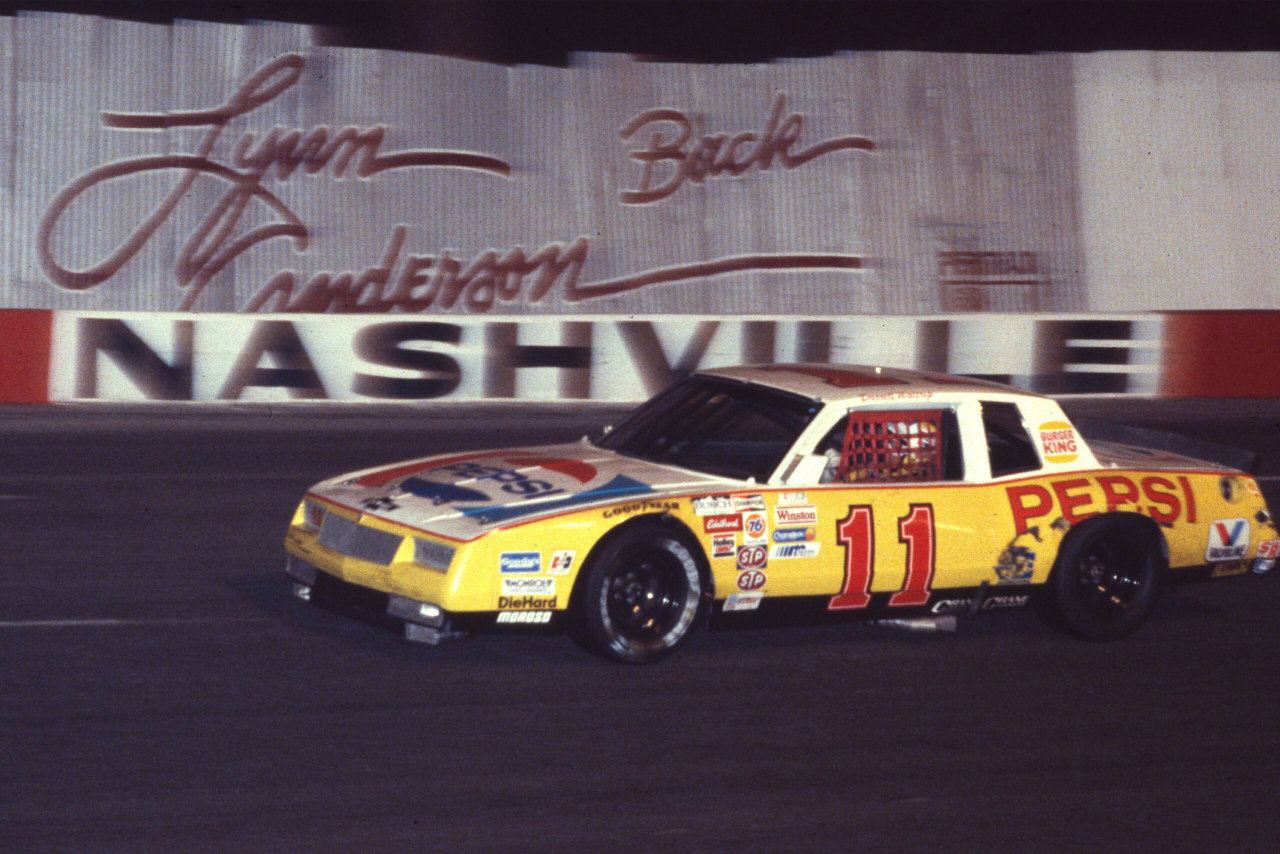
For months, a bitter fight has played out in Nashville over the future of the Fairgrounds Speedway, one of the oldest continuously operating racetracks in the United States. NASCAR Cup Series events ran there regularly through 1984, drawing legends such as Richard Petty, Dale Earnhardt, and Darrell Waltrip. In 2011, Davidson County voters protected auto racing under the Metro Charter with strong support.
Watch What’s Trending Now!
But now the Restore Our Fairgrounds coalition, reported to be led by Music Row executive Mike Kopp, has spent the past year pushing a charter amendment to strip that protection. This proposal would remove “auto racing” as a mandated Fairgrounds use and replace it with “affordable and/or workforce housing,” while directing the Fairboard to plan the end of racing.
The latest wave of outrage erupted when Kopp publicly argued that the site is historic, but not because of auto racing. NASCAR journalist Matthew Dillner had a candid reaction to Kopp’s statements.
“WHAT !? !? !? “We agree that the Fairgrounds Speedway site is a historic property. But not because of Auto Racing” “There is no such thing as historic asphalt or cinder block” – Mike Kopp (head of the Restore Our Fairgrounds Coalition,” Dillner posted on X.
The coalition must gather 41,000 signatures from the registered Davidson County voters and forward them to the Davidson County Election Commission for verification. Hidden-camera recordings obtained by local media have fueled further controversy.
Canvassers in green shirts were filmed outside the Geodis Park telling residents the track was already scheduled to be demolished and the land would be used for affordable housing, even though no such confirmed plans exist.
“Nashville Fairgrounds Speedway @RaceFairgrounds needs our help to combat lies and half truths like “They’re going to tear it down anyway”, and this…” Replying to Dillner’s post on X, Mike Joy said.
“Over a century of Nashville’s history and heritage up against a robber baron. Plain and simple. There needs to be far more outrage over this locally and beyond the racing scene. If John Ingram and his political operatives were trying to tear down the Ryman…” Steven Taranto wrote.
“About the dumbest thing I’ve read on the internet.. Defiantly top-10 worthy.” Save the Speedway reacted to Dillner’s post as well.
Former Metro Council member Zach Young filed a formal complaint seeking an investigation and arguing the petition should be invalidated if the claims are proven false.
Speedway Motorsports CEO Marcus Smith has criticized the effort, alleging that Nashville SC owner John Ingram is funding political operatives after previously pledging to preserve the speedway. Dale Earnhardt Jr. has publicly questioned whether his signatures gathered under false pretenses could stand.
If the coalition gathers enough valid signatures and survives further challenges, voters would decide. Approval would end racing’s protected status and require the Fair Board to plan its discontinuation, leaving final details to city leaders. If the petition gets rejected, racing will be protected.
Why NASCAR needs to rescue the Fairgrounds
Nashville Fairgrounds Speedway has become a national test case for whether historic short tracks can survive in growing cities where real estate values, housing needs, and commercial interest carry more weight than motorsports heritage. If a 122-year-old track with continuous racing history and existing charter protections can be erased through a petition framed around affordable housing, every other ageing track will become a target.
The clearest warning comes from Auto Club Speedway in Fontana, California. The two-mile oval hosted NASCAR Cup Series races from 1997 until its final event in 2023. After closing, NASCAR sold roughly 433 acres of it to a commercial developer for more than $544 million.
Nashville fears a similar fate, but without the same financial upside for the sanctioning body. Losing Fairgrounds would mean surrendering a historic public asset that still hosts weekly racing and could support national events with strategic planning and targeted investment.
NASCAR and Speedway Motorsports have strong reasons to intervene. A successful rescue would prove that historic tracks can coexist with modern urban priorities through renovations, sound mitigation, and a limited event calendar. If the Fairgrounds fall, other tracks will face the same pressure, and if it’s rescued, it would signal that NASCAR values its roots enough to defend them.