Imago
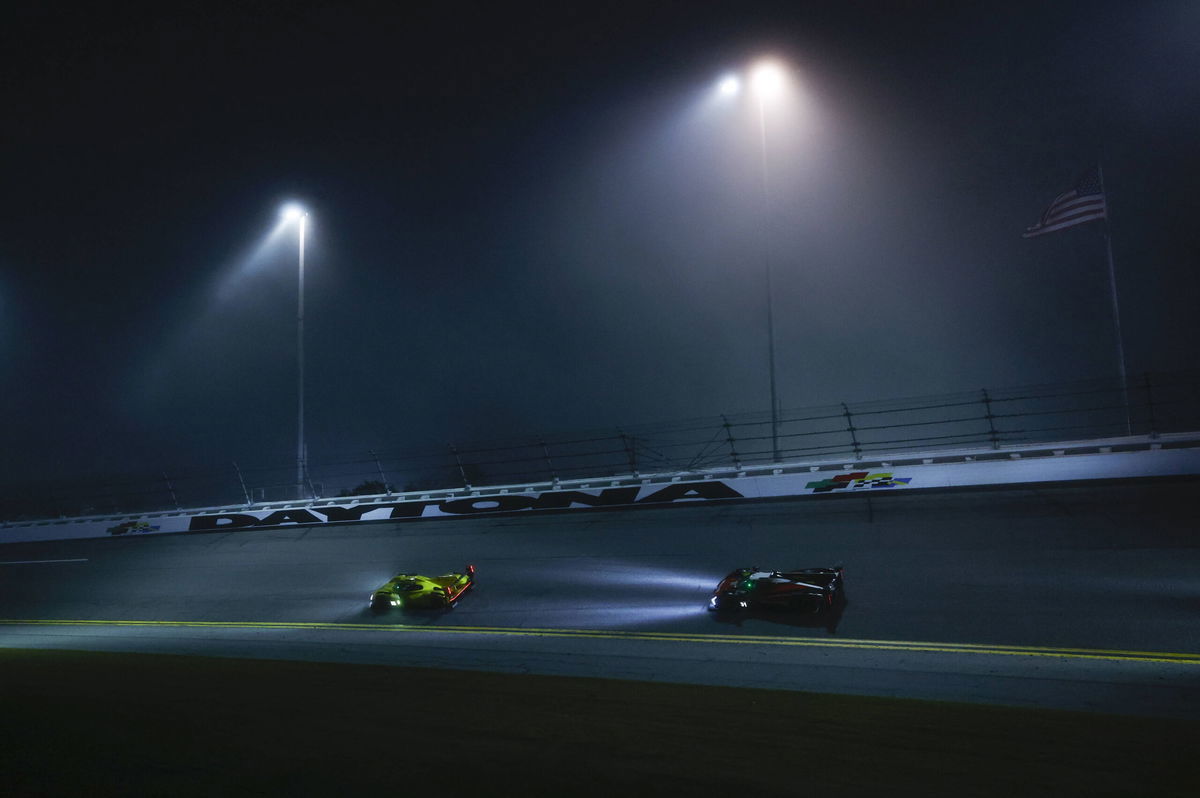
DAYTONA BEACH, FL – JANUARY 25: Cars pace through the foggy conditions throughout the night during the Rolex 24 at Daytona on January 25, 2026 at Daytona International Speedway in Daytona Beach, Florida. Photo by David Rosenblum/Icon Sportswire AUTO: JAN 25 IMSA Rolex 24 at Daytona EDITORIAL USE ONLY Icon260125559187
Imago
DAYTONA BEACH, FL – JANUARY 25: Cars pace through the foggy conditions throughout the night during the Rolex 24 at Daytona on January 25, 2026 at Daytona International Speedway in Daytona Beach, Florida. Photo by David Rosenblum/Icon Sportswire AUTO: JAN 25 IMSA Rolex 24 at Daytona EDITORIAL USE ONLY Icon260125559187
The 2026 Rolex 24 at Daytona was intended to highlight endurance and automotive quality, attracting thousands of viewers to their screens for the commencement of the IMSA season. However, as the GTP field roared through the tri-oval, a production quality that many felt failed to meet the prestige of the event quickly overshadowed the initial excitement of the green flag.
Watch What’s Trending Now!
Rather than a truly immersive racing experience, viewers encountered a broadcast format that was so disjointed and disruptive that it became the major topic of conversation for the weekend. The frustration reached a boiling point as the “horrific” nature of the coverage eventually forced long-time supporters to do the unthinkable: turn off the race entirely.
The messy viewership dissatisfaction with the Rolex 24
The 2026 broadcast controversy is an escalation of a trend and of a longstanding problem in the sport: the gradual decline of linear TV viewership and the increasing tensions related to streaming shifts.
While digital platforms like Peacock have seen record-breaking growth, including a 140% year-over-year increase in 2025, the traditional linear audience has decreased, dropping from nearly one million viewers in 2023 to just 692,000 by 2025.
NASCAR YouTuber and independent journalist Eric Estepp posted on X, “Peacock packing in the full-screen commercials in the final minutes of the Rolex :/.”
Imago
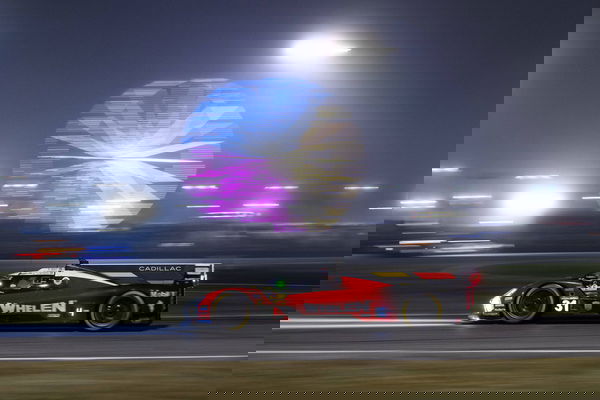
AUTO – 24 HOURS OF DAYTONA 2026 31 AITKEN Jack gbr, BAMBER Earl nzl, VESTI Frederik dnk, ZILISCH Connor usa, Cadillac Whelen, Cadillac V-Series.R, action during the Rolex 24 at Daytona 2026, 1st round of the 2026 IMSA WeatherTech SportsCar Championship, from January 22 to 25, 2026 on the Daytona International Speedway in Daytona Beach, Florida, United States of America – Daytona BeachUnited States PUBLICATIONxNOTxINxFRAxBEL Copyright: xFabrizioxBoldonix
A broadcasting approach that emphasizes heavy ad-loading to recover expenses has accompanied this migration, resulting in a “side-by-side” layout that supporters are more frequently calling an “ad-by-ad” experience.
For those who subscribed to premium streaming to escape the drawbacks of conventional cable, experiencing seven hours of advertisements within 24 hours seemed like a violation of trust.
The production’s tendency to cut away during critical pit cycles or restart battles has alienated the core “hardcore” audience, transforming an international motorsport event into a challenge for viewers’ patience.
The production failed to capture critical pit stop sequences and lead changes, leaving the audience disconnected from the high-stakes strategy of the race. This structural failure turned a world-class sporting event into an exercise in endurance for the viewers themselves, rather than the drivers on the track.
Frustrated fans left annoyed
X quickly became a sounding board for thousands of frustrated viewers who found the viewing experience physically difficult to sit through. For many, the breaking point came when the broadcast’s intrusive nature outweighed the desire to see the checkered flag.
A recurring sentiment throughout the event was that only the most dedicated enthusiasts remained engaged, and even they were hesitant. Many fans argued that the only way to actually see the race was to bypass domestic providers entirely.
One fan noted, “Finding a stream of the international broadcast is a must because it is simply so much better than anything NBC and Peacock can offer.”
The streaming struggle for those who specifically paid for Peacock to enjoy the race was among the most vocal, with one viewer stating they “had to turn Peacock off and go to NBC, that was disgraceful and so annoying.”
The sheer volume of ads, especially in the closing stages, led to a sense of total exhaustion. A fan warned that “the last hour of the 24 is always almost unwatchable because of the ads,” noting that even the side-by-side format on the TV broadcast felt overwhelming.
Even those who retreated to traditional Over-the-Air (OTA) broadcasts were not safe from distractions. One frustrated fan shared, “I switched to the OTA broadcast just for the local NBC affiliate to overlay weather information. I can see it’s snowing outside.”
For some, the quality of the presentation was so poor it challenged their very status as a fan, leading to the grim conclusion: “This is horrific, if I wasn’t the biggest racing fan, this gets turned off.”
Between the relentless commercial load and the localized graphical overlays, became too much for many to handle, leading to mass dissatisfaction across the community.