
NASCAR flipped its traditional stage structure for the upcoming Talladega race: Stage 1 is 98 laps, followed by two final stages of 45 laps each. The logic is solid. Drivers can’t finish 98 laps on one tank and will have to make green-flag pit stops. This kills the whole “sit in line and manage fuel” strategy because you’ll run out of gas trying it.
Watch What’s Trending Now!
The controversial change has the racing world divided. Now, ‘The King‘ himself has weighed in on whether this is the silver bullet superspeedway racing needs.
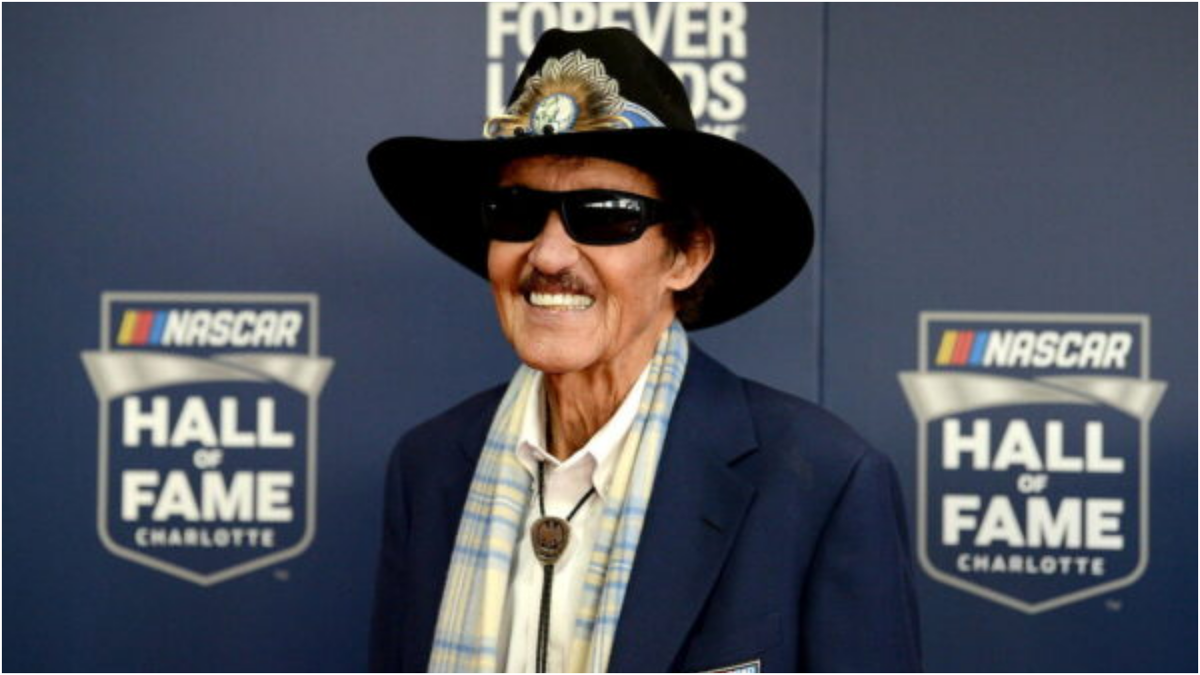
“We think it will work,” Richard Petty said on his podcast. “When they had those long stages, everybody just got in line and slowed down two seconds and nobody tried to pass anybody. Now you got two shorter segments to make up ground if you fall behind. That changes things.”
Although his co-host, Dale Inman, was relieved with NASCAR’s steps, he raised a fair point:
“I’m glad they realized they had a problem. But I imagine there’s some computers right now red hot because they’re rerunning that race 100 times before we go down there. I wish they waited and told them Sunday morning what the stages were gonna be.”

NASCAR changed the stages for Talladega, what The King thinks…Answers to more fan questions and the full review of the Kansas race on this weeks edition of the Petty Race Recap. LINK: youtu.be/IEnsMp-2DOw
The Next Gen cars came with a tiny, game-changing detail: single-lug wheels. Now, pit crews can swap tires way faster—so fast that changing four tires is quicker than filling up the fuel tank.
Teams figured this out almost immediately. If a driver is smart about fuel saving, running at 75% throttle, basically coasting through some turns, they spend less time stopped in the pits. Less time there means they get back on track ahead of racers who were leading. So why race hard for 400 laps when you can go easy, save fuel, and pass everyone in the final laps?
This is where it gets bad. Drivers formed long trains, going two or three seconds slower than what the cars were capable of. So everybody is sitting in line, staring at the car in front of them, and doing math in their heads about fuel consumption.
While Kyle Busch called this practice “disgraceful,” Dale Earnhardt Jr. said it nearly put him to sleep. He was blunt about it: “I do not like that they go out there, run half throttle and two seconds off the pace.” That’s the sport telling you something’s broken.
But if you needed proof of just how badly the fuel situation unraveled, look no further than this year’s Daytona 500.
Fuel gamble backfires: Costliest casualty loses the Daytona 500
Carson Hocevar executed a fuel-saving masterclass so perfect that he was leading on the last lap. But then his radio crackled out. He didn’t even know if it was the last lap—unsure whether to throw a block at the car closing in or stay disciplined and hold his line.
He tangled with Erik Jones, pounded the wall, and faded to 18th. His day ended on an abrupt note: his fuel numbers were so strong that half the garage raised eyebrows. Ryan Blaney’s race got ruined in the same way. Trapped in a pack of Toyotas deliberately killing the pace, he fell back and then got caught up in a wreck.
NASCAR is also exploring solutions beyond stage lengths. It is planning Preseason Thunder testing at Daytona in January 2027 to experiment with lower horsepower, different spoilers, and other changes that might make how the car handles matter more than how much fuel you saved.
The ultimate test is on April 26. The Talladega race now serves as a crucial referendum on NASCAR’s direction, and for fans tired of fuel-saving tactics, the hope is that the racing, not the math, will finally decide the winner.