Imago
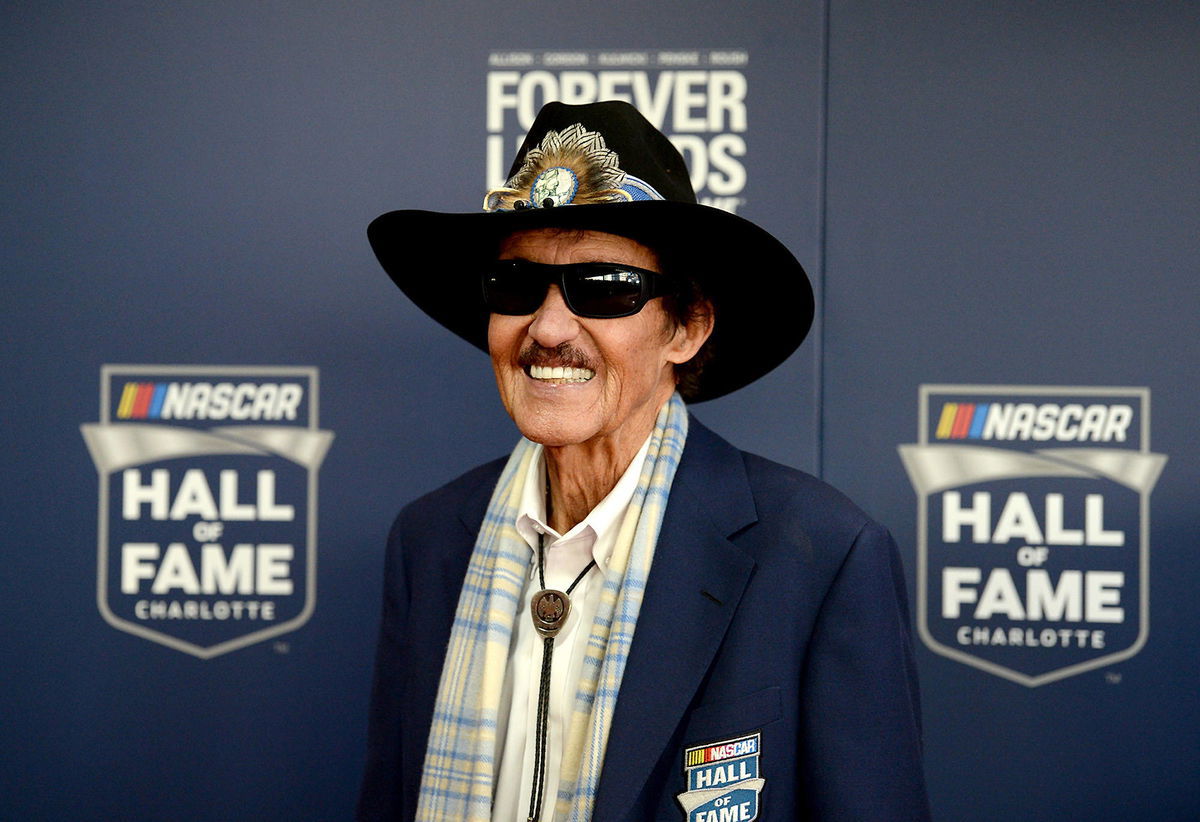
NASCAR, Motorsport, USA Hall of Fame induction ceremony NASCAR Hall of Fame member Richard Petty smiles for photographers as he walks the red carpet at the NASCAR Hall of Fame in Charlotte, N.C., on Friday, Feb. 1, 2019. NASCAR s Jeff Gordon, Davey Allison, Alan Kulwicki, Jack Roush and Roger Penske are scheduled to be inducted. Jeff Siner/Charlotte Observer/TNS CHARLOTTE NC USA EDITORIAL USE ONLY Copyright: xx JeffxSinerx krtphotoslive852605
Imago
NASCAR, Motorsport, USA Hall of Fame induction ceremony NASCAR Hall of Fame member Richard Petty smiles for photographers as he walks the red carpet at the NASCAR Hall of Fame in Charlotte, N.C., on Friday, Feb. 1, 2019. NASCAR s Jeff Gordon, Davey Allison, Alan Kulwicki, Jack Roush and Roger Penske are scheduled to be inducted. Jeff Siner/Charlotte Observer/TNS CHARLOTTE NC USA EDITORIAL USE ONLY Copyright: xx JeffxSinerx krtphotoslive852605
NASCAR isn’t holding back when it comes to celebrating America’s 250th milestone. From hosting the inaugural Anduril 250 at a naval base to blending military pride with motorsports, the sport is leaning deep into its roots. But the boldest move might be happening off the main stage. In a rare crossover with NASA, a high-speed project initially tied to Richard Petty’s son, Kyle Petty, has now taken an unexpected turn, adding even more intrigue to an already ambitious record attempt.


VA 250 Project takes center stage after Kyle Petty’s exit
Watch What’s Trending Now!
What started as a headline-grabbing collaboration has quickly turned into one of the most fascinating stories in motorsports right now. The VA 250 Car Project (first shared through social media and later amplified by NASCAR circles) revealed a striking machine dressed in American stars and stripes, symbolizing far more than just speed. It represents a full-blown tribute to the nation’s 250th anniversary.
A joint effort between Arrington Engines and University of Virginia engineers, the initiative blends racing heritage with cutting-edge engineering. Its mission? To hit a staggering 250 mph at the NASA Space Coast Testing Site, a location steeped in history as the very ground where humanity once launched toward the moon.
The car itself is a beast. Built on an original Gen 4 NASCAR chassis by legendary fabricator Joey Arrington, it features a custom body inspired by the iconic Plymouth Superbird. Under the hood sits a monstrous 1,000 HP Dodge NASCAR V8, making it a perfect blend of old-school muscle and modern ambition.
The VA250 car project is at NASA’s Space Coast Testing Site today as it prepares for its 250 mph speed record attempt
Kyle Petty is listed as the driver
The car is a 2006 NASCAR chassis with winged car bodywork. Powered by a 1000 HP V8
📸 VA 250 Car Project on Facebook https://t.co/BvxRKSUMVr pic.twitter.com/GJmxKm8ACD
— nascarman (@nascarman_rr) March 23, 2026
Originally, the project had plans in place with driver Peyton Sellers before pivoting to veteran Kyle Petty. However, that deal ultimately fell through. It forced the team to rethink its approach just days before the scheduled attempt window from March 24–26, 2026.
In a bold move, Joey Arrington turned to a local solution. The honor was then offered to 50-year-old drag racer Tommy Hurley. Known for his experience on short drag strips across North Carolina, Hurley now finds himself at the center of a historic, high-speed mission.
It’s a twist no one saw coming. But in true NASCAR fashion, the show goes on, just with a different driver behind the wheel. You can learn more about the project here.
NASCAR’s expanding NASA connection
While the VA250 project grabs attention on Earth, NASCAR’s relationship with NASA goes far beyond a one-off speed record attempt. Back in April 2023, tech giant Leidos partnered with NASCAR to help design a next-generation lunar rover. Yes, the kind that could one day roll across the moon’s surface!
The goal was ambitious but clear: build a high-performance vehicle capable of surviving extreme lunar conditions while carrying astronauts across challenging terrain. NASCAR’s role? Bring its deep expertise in aerodynamics, durability, and safety principles honed through years of developing the “Next Gen” race car. Working alongside Dynetics and Roush Industries, the collaboration blurred the lines between motorsports and space exploration.
This wasn’t just a branding exercise. Engineers and technical minds from NASCAR actively contributed to the development process, applying race-proven concepts to a vehicle designed for another planet. The initiative also ties directly into NASA’s Artemis program, which aims to establish a sustainable human presence on the moon in the coming years.
“NASCAR partnering with Leidos couldn’t make more sense when it comes to this vehicle,” said Pete Jung at the time. “With both companies being known for exciting innovations in distinctive fields, this collaboration brings together ideas that normally don’t meet in other developments. We are eager to watch this uniquely designed rover traverse different areas of the lunar surface.”
Put simply, NASCAR isn’t just celebrating America’s past but is quietly helping shape its future. And whether it’s chasing 250 mph on a historic runway or designing machines for the moon, the sport is proving its engineering reach goes far beyond the racetrack.
