
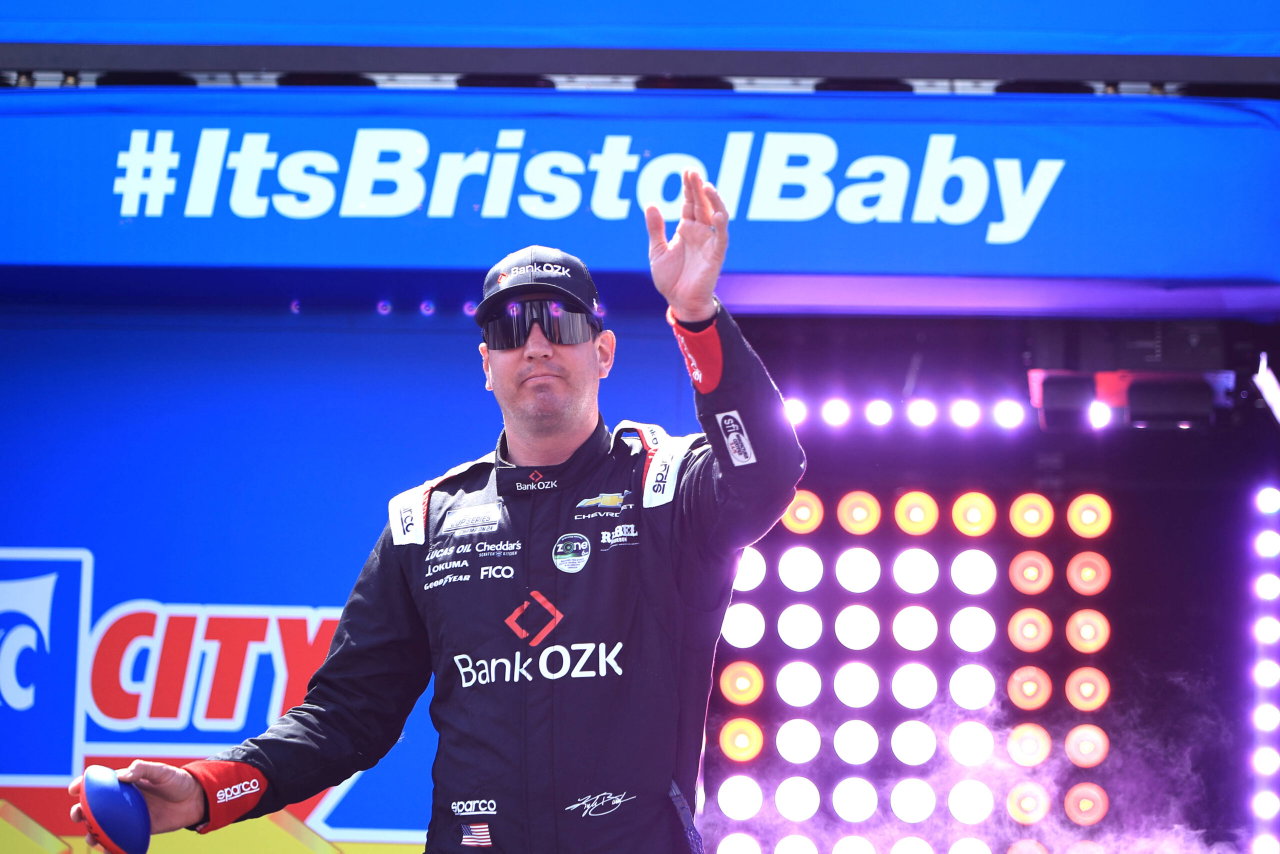
In 2001, Bill Elliott gave up his chance to win NASCAR’s Most Popular Driver Award so Dale Earnhardt Sr. could finally receive it. Twenty-five years later, his son Chase Elliott has made a similar decision for Kyle Busch. For Kenny Wallace, the two gestures raise an uncomfortable question about NASCAR fans. Why did two legends have to wait until after their deaths for this recognition?
Watch What’s Trending Now!
“Shame on everybody. Shame on everybody. Why do you hate people when they’re alive?” Wallace questioned.
In a video on X, Wallace directed his anger at the way fans treat drivers during their careers, only to celebrate them after they’re gone. The campaign to honor Kyle Busch has brought that contradiction back into the spotlight.
Earnhardt Sr. won seven Cup Series championships and became one of NASCAR’s most recognizable figures. Yet he never won the Most Popular Driver Award while alive. After his fatal crash in the 2001 Daytona 500, Bill Elliott withdrew from consideration and encouraged his fans to vote for Earnhardt. The late champion won the award that year.
“The only way he became the most popular driver is he died,” he argued.
Wallace wasn’t objecting to the tribute. He was asking why Earnhardt had to die before fans voted for him. Now he sees a similar pattern emerging with Kyle Busch.
Chase Elliott won the Most Popular Driver Award eight straight times, from 2018 through 2025. When voting opened on October 23, his name was missing. The Hendrick Motorsports driver had voluntarily withdrawn to honor Busch, who died on May 21 at age 41.
Chase explained that his father’s decision in 2001 had stayed with him. He considered it an admirable gesture toward a rival and wanted to offer Busch the same opportunity for recognition. He also urged his supporters to direct their votes toward Kyle Busch and his family.
His withdrawal gave fans a chance to recognize a driver who had divided them throughout his career.
Busch won 63 Cup Series races and two championships. Across NASCAR’s three national series, he collected 234 victories. He was one of the most successful drivers of his generation, but his aggressive style and outspoken personality also made him a frequent target of boos.
“Kyle Busch played the villain role very well, but no doubt in my mind that has to hurt his feelings,” he added.
Busch could win races and championships without winning over the grandstands. Fans could admire his driving and still dislike the man they saw on television. Wallace believes that even a driver who embraces the villain role can feel the hostility.
Why Kyle Busch’s tribute has become more than an award
Carson Hocevar and Kyle Larson have also encouraged fans to vote for Busch. However, neither driver removed his name from the ballot. Hocevar reportedly asked to withdraw, but people close to Busch told him the late driver would not want to win by default. Larson likewise said he would step aside if allowed, while continuing to encourage votes for Busch.
Kyle Busch remains eligible, and the result depends on the fans. The National Motorsports Press Association’s voting period runs through November 9, with the winner scheduled to be announced on November 10.
Wallace even called Hocevar the most popular driver this year. He still welcomed the prospect of Busch receiving the award. His argument was not that fans should ignore popularity altogether. He wanted them to recognize Busch’s contribution to the sport, even if they had spent years cheering against him.
“However, Kyle Busch being the most popular driver is fantastic. I love it,” he concluded.
Wallace doesn’t expect fans to pretend they always liked Busch. He wants them to consider whether their dislike kept them from appreciating what he brought to NASCAR.
Busch’s career cannot be reduced to the boos he received, just as Earnhardt’s legacy cannot be reduced to the award he won after his death. Their records were already there for fans to see.
If Kyle Busch wins, the award will honor a champion who commanded attention throughout his career. Fans don’t have to like him to recognize what he accomplished. Wallace’s question is why that recognition became easier after Busch was gone.