
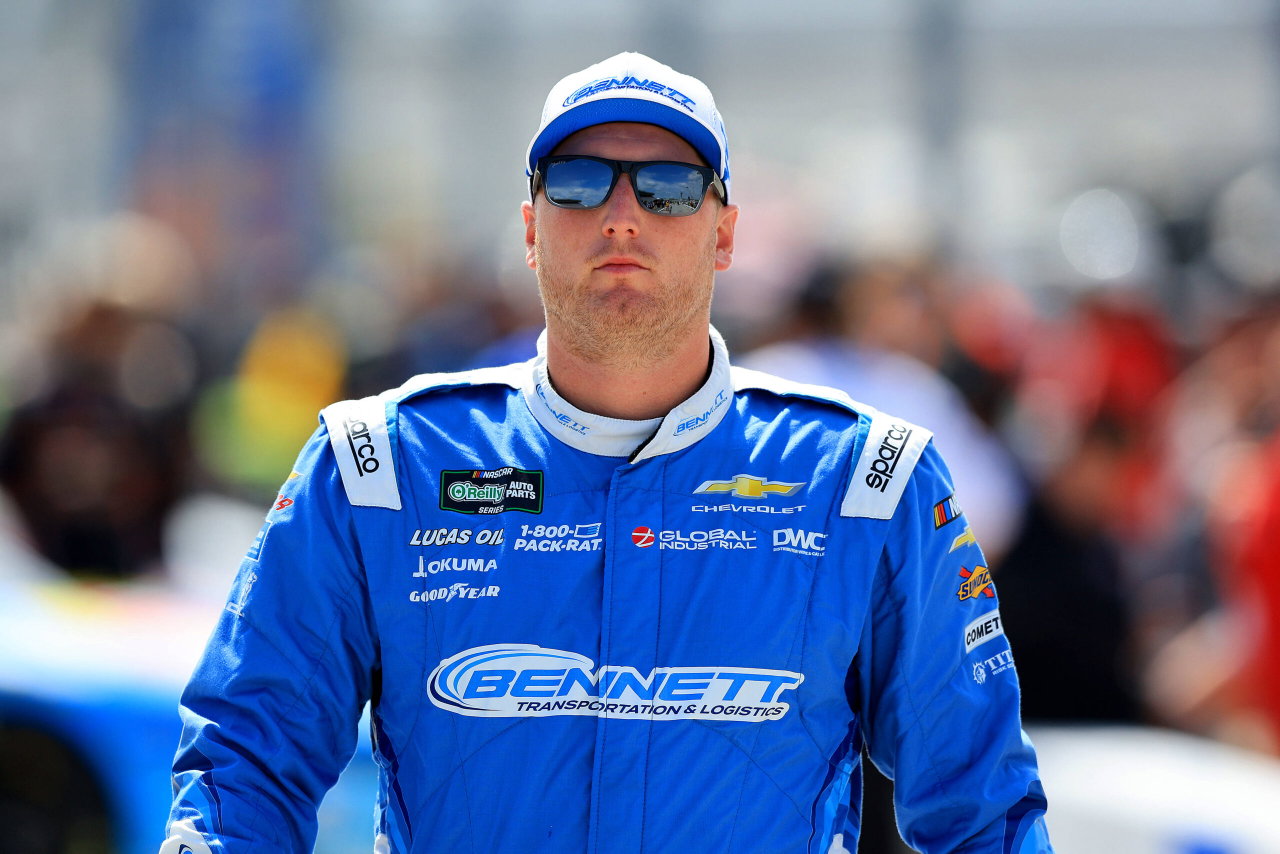
On May 21, 2026, two-time Cup Series champion Kyle Busch tragically passed away at the age of 41 after a severe case of pneumonia rapidly progressed into deadly sepsis. The sport that had watched him battle for wins across two decades was left in absolute grief. Richard Childress Racing (RCR) faced the sharpest edge of that sorrow, as Busch had been a central, beloved figure there since joining the organization in 2023. The grieving team immediately scrambled to handle the logistical and emotional nightmare of replacing his vacant seat.
Watch What’s Trending Now!
RCR moved quickly to retire the iconic No. 8 out of respect, reserving it for his young son Brexton while switching the Cup Series entry to the No. 33. Cars were due on the track at Charlotte Motor Speedway within days for the Coca-Cola 600. Austin Hill, who was already driving for RCR in the developmental circuit, was abruptly told he might be needed to fill the void. Months after that chaotic weekend, the replacement driver finally opened up about the immense psychological toll of the assignment.
Hill recently revealed the vulnerable reality that Busch’s sudden demise left him wide awake in bed grappling with agonizing doubts.
“I don’t know if I want to do this,I don’t know if I’m capable of doing this, and if I’m mentally strong enough to do this.” Hill told RACER in an interview.
His wife Ashlyn stepped in to help him process the overwhelming wave of complicated emotions. As the tragic reality of the situation fully set in, his immediate thoughts completely shifted away from his own career advancement.
Early conversations had centered on Hill possibly starting the race or filling in temporarily while Busch recovered in the hospital. After Busch passed away, Hill’s focus shifted entirely toward supporting the grieving family.
“But it was always in the back of my mind that I need to go perform,” Hill said in the same interview. “I need to do this for the Busch family.”
Hill openly admitted that the transition was incredibly difficult
“It still is tough because I know all these races that we’re running right now, I technically shouldn’t be the one in the car. So, all of that is still very weird and odd to me. I think until 2027 gets here, it will be very eerie, but we’re working through it one weekend at a time.”
The organization recently took a major step to completely formalize his permanent status with the team moving forward. On August 24, 2026, RCR made the path forward completely official by announcing that Hill will drive the No. 33 Chevrolet full-time in the Cup Series in 2027. He had previously turned down earlier Cup Series opportunities because he heavily preferred to do it the right way with Childress, where loyalty has historically run in both directions. He explicitly noted that he always wanted his professional relationship with the organization to be a long-term commitment. This mutual loyalty made him the undeniable frontrunner for the sudden vacancy.
Austin Hill was always the leading candidate for No.33 in RCR
It is entirely unsurprising that RCR formally signed Hill to pilot the No. 33 full-time. Hill has spent five full seasons meticulously building the exact racing profile that matters most to the organization. The driver and the team have navigated several massive ups and downs, including weathering severe penalties together while standing strong. That incredible resilience translated to massive success on the developmental circuit.
Since joining the team full-time in the O’Reilly Auto Parts series, Hill has delivered top-six points finishes every year. He claimed the 2023 regular season championship, reached the championship four in 2024, and has accumulated 16 series victories. This sustained career excellence made him the most accomplished and highly coveted driver already existing within the RCR system. His massive statistical resume was perfectly complemented by his deliberate professional patience.
Hill wanted his ultimate Cup Series opportunity to come directly from Childress because the organization had heavily invested in his early development. Richard Childress framed the difficult situation in highly practical terms, noting that promoting Hill provided much-needed continuity and minimized disruption for the grieving team and their sponsors. That steady continuity will be crucial as the organization continues to process Busch’s monumental absence. Hill will look to honor that legacy when he officially kicks off his full-time 2027 NASCAR Cup Series campaign at the Daytona 500 next February.