Dec 29, 2025 | 10:07 AM EST
Imago
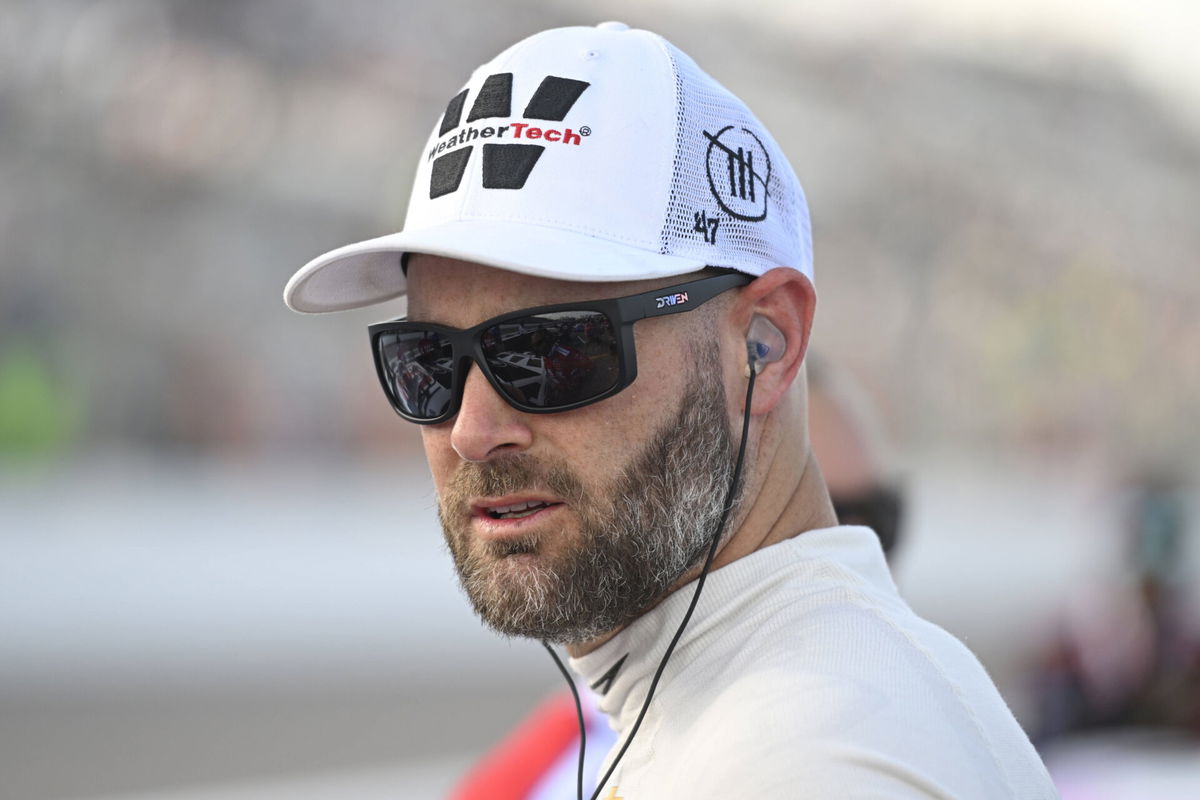
NASCAR, Motorsport, USA Cup Series-Practice and Qualifying Sep 6, 2025 Madison, Illinois, USA NASCAR Cup Series driver Shane van Gisbergen 88 looks on during practice and qualifying for the Enjoy Illinois 300 at World Wide Technology Raceway. Madison World Wide Technology Raceway Illinois USA, EDITORIAL USE ONLY PUBLICATIONxINxGERxSUIxAUTxONLY Copyright: xJoexPuetzx 20250906_tbs_pa2_018
Imago
NASCAR, Motorsport, USA Cup Series-Practice and Qualifying Sep 6, 2025 Madison, Illinois, USA NASCAR Cup Series driver Shane van Gisbergen 88 looks on during practice and qualifying for the Enjoy Illinois 300 at World Wide Technology Raceway. Madison World Wide Technology Raceway Illinois USA, EDITORIAL USE ONLY PUBLICATIONxINxGERxSUIxAUTxONLY Copyright: xJoexPuetzx 20250906_tbs_pa2_018
Imago
NASCAR, Motorsport, USA Cup Series-Practice and Qualifying Sep 6, 2025 Madison, Illinois, USA NASCAR Cup Series driver Shane van Gisbergen 88 looks on during practice and qualifying for the Enjoy Illinois 300 at World Wide Technology Raceway. Madison World Wide Technology Raceway Illinois USA, EDITORIAL USE ONLY PUBLICATIONxINxGERxSUIxAUTxONLY Copyright: xJoexPuetzx 20250906_tbs_pa2_018
Imago
NASCAR, Motorsport, USA Cup Series-Practice and Qualifying Sep 6, 2025 Madison, Illinois, USA NASCAR Cup Series driver Shane van Gisbergen 88 looks on during practice and qualifying for the Enjoy Illinois 300 at World Wide Technology Raceway. Madison World Wide Technology Raceway Illinois USA, EDITORIAL USE ONLY PUBLICATIONxINxGERxSUIxAUTxONLY Copyright: xJoexPuetzx 20250906_tbs_pa2_018

Before making the transition to NASCAR, Shane van Gisbergen made himself a household name during his career in Australia’s V8 Supercar Series. The import from New Zealand managed to collect 80 wins over 508 races. And this rich experience with Supercars is what makes his remarks about the Next-Gen cars interesting.
Watch What’s Trending Now!
SVG went on the Dinners With Racers podcast with Ryan Eversley and Sean Heckman. During his episode, they discussed all things SVG, but specifically delved into his opinions on the Next-Gen cars. The conversation began when a fan on the podcast’s Patreon had asked an interesting question.
“You always talked about how much you hated the Gen-3 Supercar, but the Next-Gen Cup car is very similar to that, so what’s different?” He asked.
SVG’s immediate response was that the car was “nowhere near the same” as the Gen-3 Supercar. The base design is kind of similar, but to him, the car was just horrible. He then went into detail about how the car was intended to be louder and more of a driver’s car, but with its high level of downforce, it ended up being harder to drive. He says that it became an engineer’s car, and that when driving it, he felt helpless.
“If you didn’t qualify on pole, you’d just get hot following people,” said SVG. He continued to bash the car, specifically its lack of grip and his own lack of confidence to push it.



However, when SVG went to Chicago, he said he had found what he was missing; the tire, the car, everything was good. “Sh-t yeah, that’s what I missed!”
The Gen-2 car had its force too. SVG dove deeper and said that it had too much wake vs the amount of downforce, which made it difficult to drive. To him, it was still “unreal to drive.”
The podcast hosts then brought up how the rest of the NASCAR garage feels, specifically their disdain for the Next-Gen cars.
“On an oval, it’s crazy, yeah. On a road course, it’s nothing like what we had.”
SVG said that what they’re saying about the Next-Gen cars is not even close to what he experienced with the Supercars before he joined NASCAR. He does recognize that they probably do need some fine-tuning to make racing better, but again, as he said, it’s “nothing like what we had.”
How does the rest of the garage feel about Next-Gen?
Most of the NASCAR garage has a different opinion from SVG. Since its introduction, the Next-Gen car has been a major topic of conversation for the wrong reasons. Its goal was to modernize the car and make racing closer, which it originally had, but overall race product has not been good.
Denny Hamlin, co-owner of 23IX Racing, has been the major critic of the cars, calling out their overtaking issues and aerodynamic characteristics, the reason behind underwhelming races on shorter tracks.
“In Cup cars, the closer you get to them, your car takes off. You lose all downforce; you’re done. When we catch someone that we are slightly faster than, we have no tools to slow them down.” For aero balance, he had said, “You get a front end that’s not on the ground. It’s in the air because we have to feed the underbody of the car… you got no front downforce.”
Instead of addressing the issue, NASCAR opted to try minor upgrades to fix the issues, often upgrades that have failed.
USA Today via Reuters
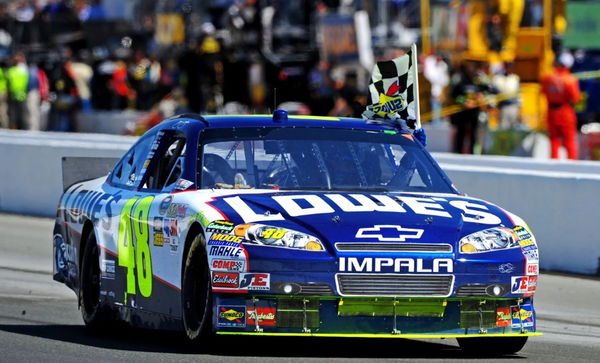
Car of Tomorrow | Mark J. Rebilas-USA TODAY Sports
Back in August, Hamlin compared the hate of Next-Gen to the Car of Tomorrow, which was one of the most controversial and hated car changes NASCAR has introduced. Throughout the paddock, drivers from multiple organizations have echoed Hamlin’s concerns about the current state of the car. The discussion has been growing more heated as frustration rises about the car.
Chase Elliott had said, “There’s no excuse for going backward… when you come out with a new product, you should take steps forward; not stay the same or go backward, especially in the safety category.”
At the heart of Hamlin’s concern is the horsepower reduction. Many drivers, including Hamlin, argue that each successive drop in power has further diminished the quality of racing. Brad Keselowski is one of them.
“The cars in 2008, 2009, first off, were significantly faster. I am definitely team horsepower,” said Keselowski.
They argue this is because of leadership prioritizing their own agenda over the input of competitors, resulting in the worsening of on-track products over the years.
The horsepower boost from drivers
After the collective hate for the constant reductions of horsepower from drivers, competition officials finally responded. In October, they confirmed that Cup events on road courses and ovals shorter than 1.5 miles will move to a 750-horsepower package beginning the 2026 season. That’s a step up from the current 670-horsepower baseline that governs NASCAR’s top tier.
The increase is designed to put greater responsibility back into the cockpit, sharpening throttle control while rewarding drivers who can balance aggression and restraint.
NASCAR Executive Vice President and Chief Racing Development Officer Jon Probst detailed how they met with drivers to weigh the impact of additional power and understand how far the sport can push without breaking its economic model.
“If that all looks good, I would not rule out looking at increasing that horsepower at the mile and a halves and above,” he said.
The 750-horsepower decision is a move calculated to raise the competition without opening the door to costs they can’t sustain.
Related Newsletters