
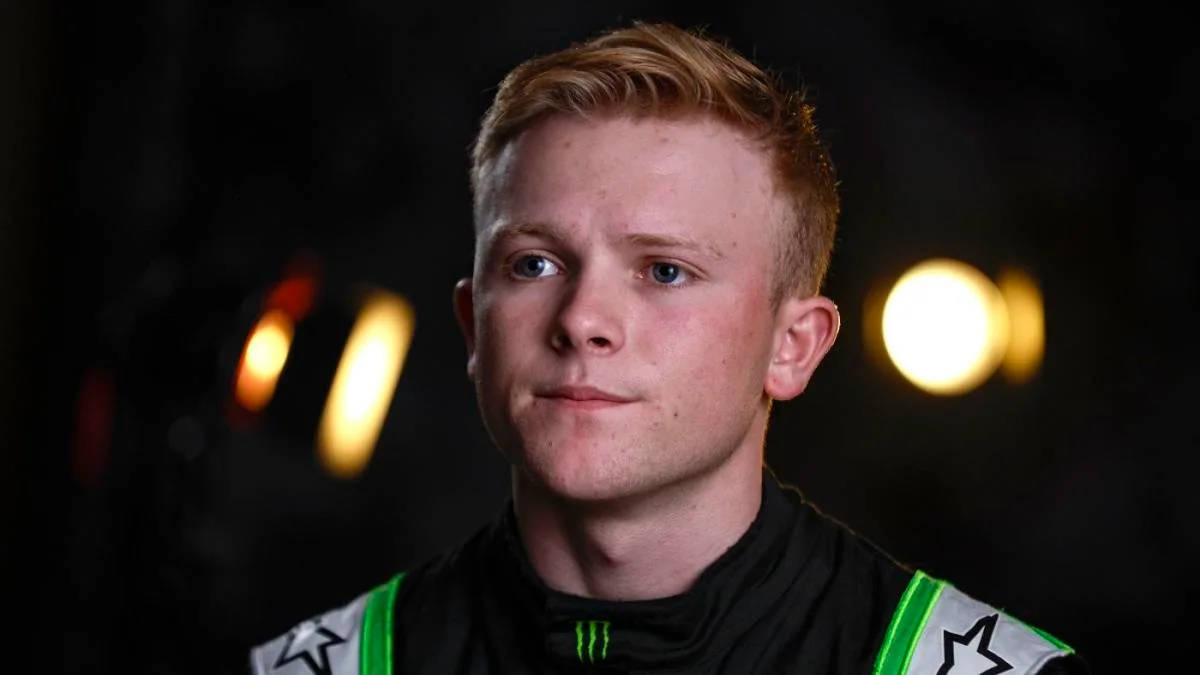
Ty Gibbs led 17 laps in the final stage at Watkins Glen, had the pace, and was in clean air, but still couldn’t win. And a part of that can be owed to how his fuel gauge said no. That is the frustrating reality of the Next Gen car’s most persistent problem, and Gibbs didn’t shy away from naming it.
Watch What’s Trending Now!
“Honestly, just a little frustrating because I wish we could keep racing, but unfortunately, just had to save some fuel there,” Gibbs told the media after settling for third, his career-best finish, which moved him to 6th place in the driver standings.
The emotions are understandable, though – the stakes were real for Gibbs. After all, since entering the Cup series in 2023, Gibbs has failed to fulfill the expectations attached to his name and his 2022 O’Reilly campaign. And 2026 was beginning to suggest a shift in tides, with Gibbs clinching his first Cup victory at Bristol. The same could have happened at Watkins, had SVG not capitalized on Gibbs’ very source of frustration.
While Shane van Gisbergen didn’t win the first stage as he pitted late, the same helped him in the long run. With just 24 laps remaining, he was called in to pit again, giving Gibbs the race lead. However, the Kiwi ultimately had the upper hand. By the time the final stage came to the closing laps, the #97 had the new tires and a fueled-up car to push through the field and take the lead. Impressively, he managed to gain ten spots within just four laps, as most of the field was tasked with saving fuel.


Ty Gibbs scores his best career finish at Watkins Glen. He talks with @JoshRSims after a strong day of road-course racing for the No. 54 team.
But the day wasn’t all bad for Gibbs: “A lot of things have changed since the last race here. And I think we’ve made some good changes, and we’ll just keep going for it and keep working hard. You know, it was very fun today, very blessed and fortunate to be in this position in this car.”
Still, fuel saving seems to be becoming a headache for many, even after attempts by the authorities to curb it. In fact, at Talladega, NASCAR had flipped the stage lengths ahead of the April 2026 race to ensure the final two stages could be completed without a fuel stop.
NASCAR EVP John Probst had said on the Hauler Talk podcast: “This is a tool now that the teams know. This is not something that I think is ever going to go away.”
And it didn’t, the gimmick took center stage again, which hit particularly hard at The Glen because NASCAR had extended the race distance by 10 laps this year, adding a new strategic wrinkle.
RFK Racing crew chief Scott Graves had pointed out in preview coverage that teams that previously ran a two-stop strategy could no longer make that work.
“One of the strategies, if you were doing two stops, you could pit before the end of Stage 1 and not again until the middle of Stage 3 when you got to the fuel window — it eliminates that version of it,” Graves said.
And the result, as we all saw, was a tighter, more unforgiving fuel window that squeezed most of the front-runners into conservation mode in the closing laps. That’s where Gibbs found himself stuck, in fuel-saving mode over the last 39 laps.
Michael McDowell, who finished second, benefitted from the same late-pit strategy as SVG, having been left out by crew chief Travis Peterson before the Stage 2 conclusion, dropping out of the top 10, then pitting during the final green flag run while the leaders saved fuel. Even Austin Dillon, who came home sixth, openly credited fuel management for his result.
NASCAR’s ‘fuel saving’ frenzy distances Kyle Busch from stunning finish
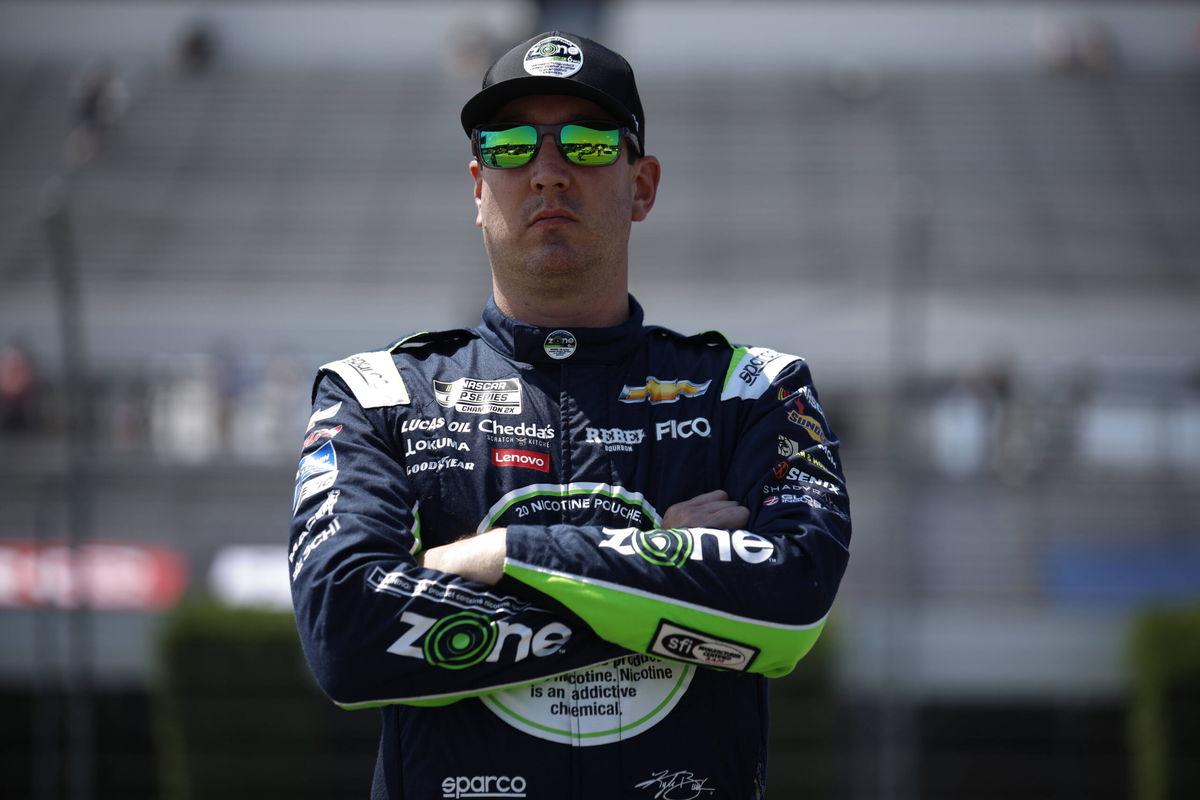
While the likes of Ty Gibbs and Michael McDowell still managed to have rather competitive finishes, Kyle Busch seemed to suffer the wrath of the Next Gen car’s fuel-saving issues. This was his second race with his new crew chief, Andy Street, and the race was going as well as it could, even though he sought medical attention in the middle of the race.
For a driver sitting 24th in points with seven finishes of 20th or worse on the season, this was the kind of run that could have shifted momentum – with reports projecting a top-5 finish. But then the fuel ran out, of course. While others conserved, Busch pushed, as his tires were still in good shape and the positions were there. But the math didn’t care. Running on fumes in the final corners, he dropped to eighth.
He confirmed it himself post-race: “We ran out of fuel at the end of the race, but we’re still going home with our second Top-10 finish of the season.”
Imago
NASCAR, Motorsport, USA Cup Series: July 13 The Great American Getaway 400 Presented by VISITPA.com Kyle Busch gets ready to practice for the The Great American Getaway 400 Presented by VISITPA.com in Long Pond, PA, USA. LicenseRM 21939533 Copyright: xZoonar.com/StephenxA.xArcexActionxSportsxPhotographyx 21939533
The case was similar to Ty Gibbs ‘ and a lot of other drivers on the field at Watkins Glen. But Probst has been clear that technical changes to the car itself, like spoiler adjustments and power level tweaks, won’t come mid-season. A Daytona test in January 2027 is on the horizon to explore those options. Until then, the gimmick stays, and drivers like Gibbs will have to find a way around.