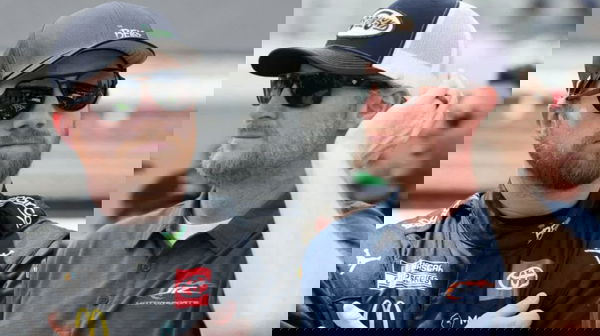
If you have been following the discussion around the Chase format, then you must know that Dale Jr. didn’t just question the revised system but warned it could punish drivers who hit the ground running the wrong way. The new system may reward consistency over a single “win-or-bust” finale, but a slow start could cost the championship before the playoffs even begin. But the veteran isn’t the only one concerned; Tyler Reddick’s crew chief is speaking out with a similar concern.
Watch What’s Trending Now!
The No. 45 team’s crew chief, Billy Scott, isn’t holding back his thoughts.
“So now I think it does put a little more emphasis on running well every week,” Scott said. ” But again, I think putting the extra emphasis, the extra points established with winning, does still make it significantly more important than anything else you’re going to accomplish on the day.”
Last season, the playoff picture was simple. Win a race, and you were guaranteed a spot in the postseason. This year, however, the stakes are higher.
Qualification to the postseason is determined solely by regular-season points, and the reward for winning has been increased. Race victories now award 55 points, up from last year’s 40.


That change makes winning more valuable, but it still demands consistent, strong results throughout the year, as Scott points out.
NASCAR has brought back the Chase format, a 10-race playoff that places more emphasis on season-long consistency than on one dramatic finale.
That means drivers must perform at a high level across most events, not just in a few key moments.
In the updated system, the top 16 drivers in the standings after the 26-race regular season advanced to the Chase. Once the playoffs begin, there are no eliminations; the field stays intact through the entire 10-race run.
And that emphasis on steady performance is exactly what Dale Earnhardt Jr. has been highlighting recently.
🏎️ “I think it does put a little more emphasis on running good every week.”
Crew Chief Billy Scott discusses the return of The Chase, and what difference fans may see over the course of the race.
More 👉 https://t.co/WGRTG5gnEd pic.twitter.com/jzNDtivONL
— SiriusXM NASCAR Radio (Ch. 90) (@SiriusXMNASCAR) January 16, 2026
“How you perform at Daytona, how you perform at Atlanta, how your season begins is going to really sort of give you an idea of whether you’re championship worthy,” he said. “Because with the old system and this system that we’re bringing back, if you start off in a hole four weeks in a row… You get yourself in a hole.”
A string of bad races, or a slump like the one NASCAR champion Kyle Larson faced in 2025, can completely derail the chances of a championship.
Dale Jr. is clear that he stands with this decision; however, the modified Chase and the denial of fans a return to the traditional points system are a compromise, and the veteran is still on edge about how the new format will play out.
However, when you dig deeper, other cracks have begun to surface as the community navigates the new format.
What could go wrong with the new format?
One of the biggest questions surrounding the 2026 format is the size of the playoff field. With 16 drivers qualifying for the postseason, some critics argue that a smaller group might have made the championship battle more meaningful.
At the same time, NASCAR had limited flexibility. Charter teams and their sponsor likely resisted any changes that would reduce their chances of competing for the title.
In comparison, the lower series have smaller playoff fields: the O’Reilly Auto Parts Series advances 12 drivers, while the truck series advances 10 drivers.
Stage racing and stage points are still part of the system, which remains controversial. While stage points can push drivers to race harder earlier in the event, they can also skew the championship standings in a way some fans might find unfair.
With up to 20 points available through stage finishes, it is possible for a driver who finishes near the back to score nearly as many points as someone who finishes far ahead. That imbalance is a major reason critics believe the format can undercut the value of consistent performance over the season.
Still, the new system aims to reward both consistency and wins, ensuring the title is earned over the full year rather than decided by one weekend.
While upsets can still happen, the emphasis on steady performance makes the points race more reflective of a driver’s ability and competitiveness.
Related Newsletters