
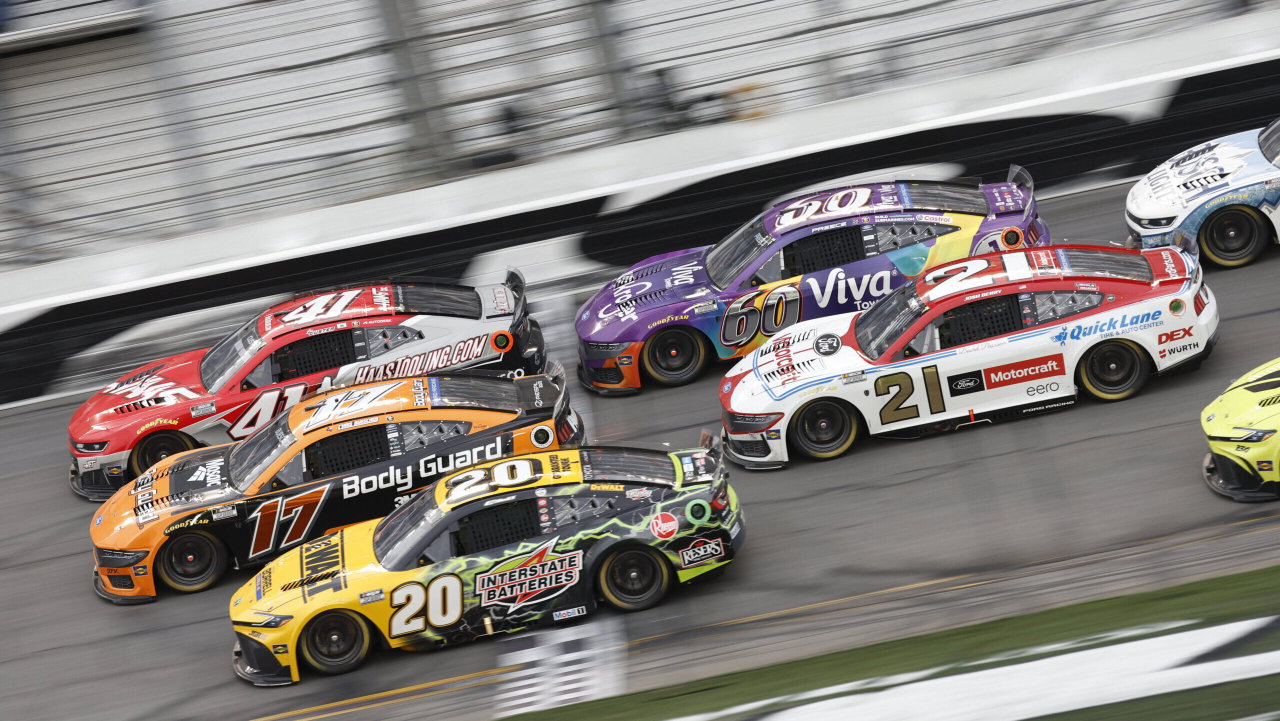
Carson Hocevar and Cleetus McFarland won the LeMullets endurance race for the second straight year, and the Crown Vic chaos at Freedom Factory looked more like what NASCAR fans keep asking for than anything the sport has put on a Cup track lately. That is the uncomfortable part. The answer to why NASCAR cannot go back is not a mystery to one veteran insider, and he has said it out loud.
“You got to think of the days right now. NASCAR has got to be able to market and sell what people are driving on the streets right now. Remember what wins on Sundays sells on Mondays,” Kenny Wallace said.
The NASCAR veteran believes this is the reality longtime NASCAR fans must consider before demanding a return to the sport’s golden era. The former driver made his argument after sharing footage of the 2.4 Hours of LeMullets at Cleetus McFarland’s Freedom Factory. Wallace loved the Crown Vic racing and suggested NASCAR could put its logo on the event.
However, he questioned whether manufacturers would ever support bringing that style of racing into the national series. Their business interests, he argued, make a complete return to older machinery unrealistic.
The November 13 event offered a glimpse of the action fans have been missing. The 2.4-hour endurance race brought NASCAR Cup drivers Denny Hamlin, Ryan Preece, Ty Dillon and Carson Hocevar together with automotive personalities in modified Ford Crown Victorias.
The Freedom Factory’s tight 3/8-mile oval and backstretch chicane produced plenty of contact, mechanical trouble and position changes. Hocevar and McFarland shared the winning car for their second consecutive LeMullets victory. Hocevar delivered the decisive move against Ty Dillon in the closing moments, while Hamlin and Alex Presley finished third.
For Wallace, that spectacle captures something that made NASCAR popular decades ago. During the 1980s, Cup cars still carried the recognizable shapes of production-based American sedans and coupes. The racing was physical, the cars could be difficult to control, and drivers often had to wrestle them through traffic.
The LeMullets machines are not replicas of those historic Cup cars, but Wallace sees a similar appeal in their stubborn handling and the drivers’ determination to force their way to the front. Dale Earnhardt Jr. made a comparable observation, describing the action as reminiscent of mid-1980s Cup racing.
But recreating that atmosphere in NASCAR’s top division would require more than changing the bodywork. Wallace pointed to the manufacturers’ need to promote vehicles that customers can actually buy. A 1990 Ford Crown Victoria might excite nostalgic fans, but Ford no longer sells that model. The same problem applies to discontinued Chevrolet and Toyota vehicles. The traditional “win on Sunday, sell on Monday” connection remains important to NASCAR’s OEM relationships, making it difficult to justify a return to machinery with little relevance to current showroom products.
Wallace also used the O’Reilly Auto Parts Series to explain the disconnect. He acknowledged that fans often consider its racing among NASCAR’s best, but questioned how closely its technology reflects modern road cars. His example was the carbureted engines used in the series, which have little connection to today’s passenger vehicles. He believes this is part of the reason manufacturers have limited involvement in the division. NASCAR cannot ignore that commercial reality simply because fans prefer the racing.
Interestingly, Dale Jr. has offered a possible compromise in the ongoing debate about the O’Reilly car’s future. Rather than replacing its traditional architecture with a version of the Cup Series Next Gen platform, he wants NASCAR to retain the existing design while introducing newly manufactured, standardized components. His proposal includes modern versions of parts such as the rear end and front suspension, produced by NASCAR-approved suppliers and phased in over five years.
Dale Jr. also sees an opportunity to create a parts pipeline across stock car racing. The same components could eventually be used in the Truck Series, ARCA and Late Model Stock competition. That would give manufacturers a larger market while helping teams at different levels deal with parts shortages and rising costs. His concern is that NASCAR could instead push the O’Reilly division toward adopting Next Gen components, leaving behind the traditional platform that fans have embraced.
NASCAR CEO Steve O’Donnell acknowledged the challenge during his November 6 State of the Sport address. He agreed that the O’Reilly Series produces strong racing but said officials are examining how long its existing parts supply can be sustained. Any future platform must remain economical for teams while supporting the growth of the series. He also emphasized the importance of protecting existing manufacturer relationships as NASCAR welcomes new partners.
That is the dilemma Wallace wants fans to understand. NASCAR can take inspiration from the aggression and unpredictability of its golden era, but it cannot simply bring back discontinued cars and expect manufacturers to follow. Dale Jr.’s proposal offers one possible way to preserve traditional stock-car engineering without ignoring the industry’s commercial needs. The challenge is finding a balance between the racing fans remember and the modern technology that keeps OEMs invested.