Imago
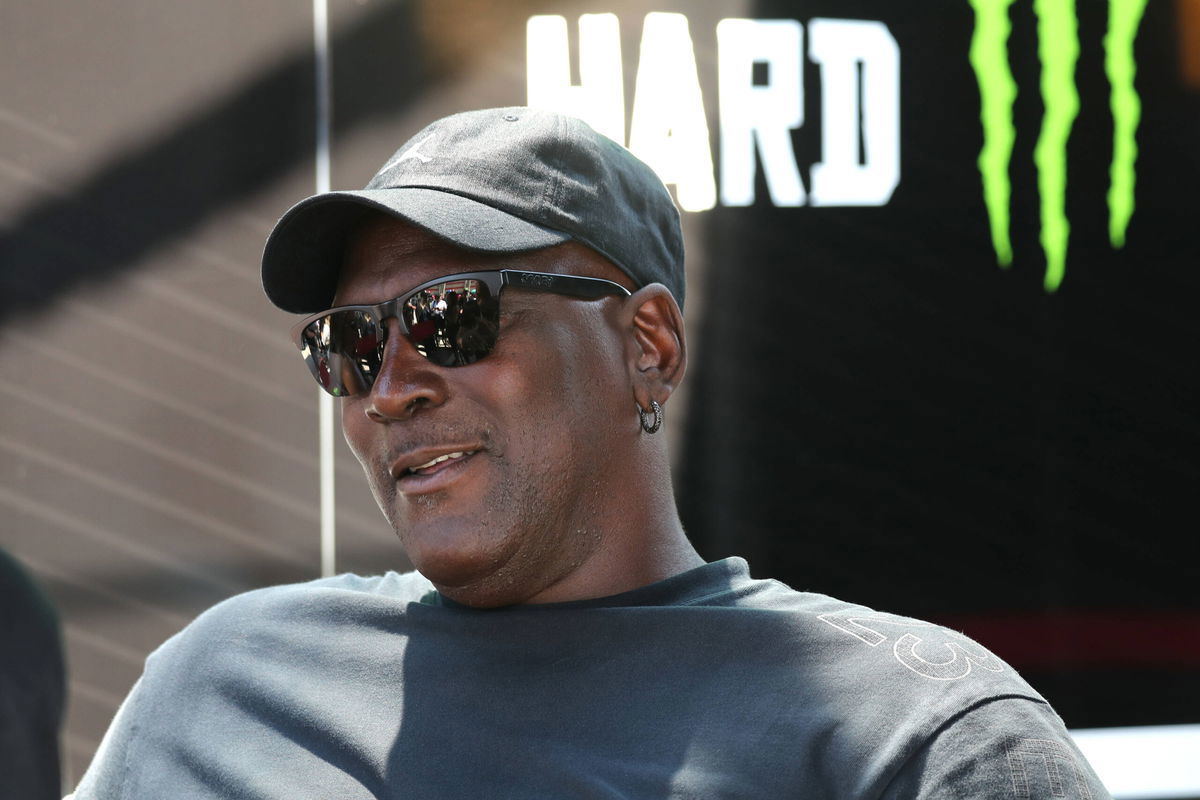
ATLANTA, GA – SEPTEMBER 08: 23xi co-owner Michael Jordan sits in the garage area prior to the running of the NASCAR, Motorsport, USA Cup Series Quaker State 400 available at Walmart on September 08, 2024 at Atlanta Motor Speedway in Hampton, GA. Photo by Jeff Robinson/Icon Sportswire AUTO: SEP 08 NASCAR Cup Series Quaker State 400 available at Walmart EDITORIAL USE ONLY Icon2409085158400
Imago
ATLANTA, GA – SEPTEMBER 08: 23xi co-owner Michael Jordan sits in the garage area prior to the running of the NASCAR, Motorsport, USA Cup Series Quaker State 400 available at Walmart on September 08, 2024 at Atlanta Motor Speedway in Hampton, GA. Photo by Jeff Robinson/Icon Sportswire AUTO: SEP 08 NASCAR Cup Series Quaker State 400 available at Walmart EDITORIAL USE ONLY Icon2409085158400
The landmark NASCAR settlement did more than quiet a courtroom drama; it shaped NASCAR’s business model and the economic value of charters, giving teams far more leverage than they had under previous agreements. But it’s important to understand what these improvements mean and why NASCAR was forced to take that step. Reflecting on it, NASCAR veterans broke it down.
Watch What’s Trending Now!
Speaking on the Herm & Schrader podcast, Kenny Wallace and Ken Schrader know it all too well.
“It wasn’t wound up good for the team for NASCAR, TV; nobody needed it. We needed to be done and going to Christmas, and then start talking about you didn’t need any lawsuit,” said Ken Schrader.
Top Stories





Before the charter agreement, chartered teams received a base payment of about $141,000 per event, increasing to around $185,000 with bonuses, which, for a full season, translated to roughly $7 million-$18 million per car before sponsorship revenue, depending on performance and sharing formulas.
The fundamental issue was that teams felt their share was too small relative to revenue generated, one of the core drivers behind the lawsuit and push for a restructure and a more equitable charter revenue system.
At the center of the dispute was $365 million in claimed damages, a figure tied not to a single payout but to what 23XI Racing and Front Row Motorsports argued they had lost under the NASCAR charter system.
The teams alleged that the system functions like a monopoly, limiting their leverage, suppressing charter values, and disproportionately favoring NASCAR and track owners in revenue distribution.
The lawsuit wasn’t just about money changing hands; it was about forcing a reset of how teams are valued and protected within the sport.
And that’s where Kenny Wallace’s point about charter value becomes critical. With this settlement restoring full-time, permanent charters and introducing a more team-friendly framework, ownership suddenly carries more weight.
“I have that team got full-time charters and all the team are talking about these $40 million to maybe $100 million in those figures that people are saying, so yeah, meet you halfway there teams got more money, and they got full-time charter so now if you own a Cup team, you’ve got something worth a lot of money,” Wallace said.
Imago
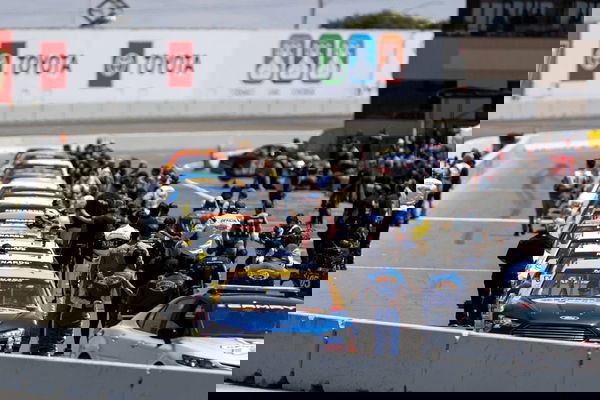
SONOMA, CA – JUNE 05: Drivers and teams listen to the National Anthem before the ARCA Menards Series West – General Tire 200 race on June 5, 2021 at Sonoma Raceway in Sonoma CA. Photo by Bob Kupbens/Sonoma Raceway via Icon Sportswire AUTO: JUN 05 NASCAR, Motorsport, USA ARCA Menards Series West – General Tire 200 Icon21060505
Even without public figures attached to the settlement, the financial upside is clear.
Schrader framed the outcome and broader terms, comparing charters to franchises in the NFL or NBA, assets that only work if the system is fair.
“I mean, whenever you start literally busting up a monopoly, you’re getting into a situation that is totally out of everybody’s control,” he observed. “They had to make it fair… a certain amount of money going to the teams, and it looked disproportionate.”
The settlement did not just end the lawsuit; it shaped NASCAR’s economic model, giving teams a stronger footing and more security.
And it may have led to the NASCAR commissioner stepping down, but it was a clearer step toward taking the sport’s future, which is why veterans see it as a turning point rather than a legal compromise.
That broader shift becomes even clearer when the focus turns to Michael Jordan’s role in the sport.
What does Michael Jordan’s NASCAR team look like in 2026?
Michael Jordan and Denny Hamlin are steering 23XI Racing into 2026 with increased financial firepower and greater influence in the NASCAR garage.
The immediate impact comes from an expanded partnership with a major sponsor that will inject new funds into the organization ahead of the upcoming season.
While Jordan and Hamlin had already secured a multi-year agreement in 2025, the decision to expand that relationship underscores the sponsors’ confidence in the teams’ performance and brand value.
And as we know, a NASCAR primary sponsorship is crucial. It fuels hiring talent, upgrading equipment, and navigating the ups and downs of results.
The enhanced deal provides the organization with a more productive revenue stream, allowing the team to strategically plan its next phase of growth.
Practically speaking, the additional funding gives the duo opportunities that were limited in the team’s earlier days. They can deepen engineering support and expand data and simulation programs. Keep personnel with longer-term contracts rather than operating on a year-to-year basis.
Beyond the financial branch’s decision to double down, a visible vote of confidence signals that 23XI Racing’s direction and ambitions are being recognized by industry stakeholders.
The combination of increased resources, strategic banking, and commercial validation has set the stage for the team to enter 2026 not just as a young upstart but as one capable of competing at the highest levels of NASCAR.