Imago
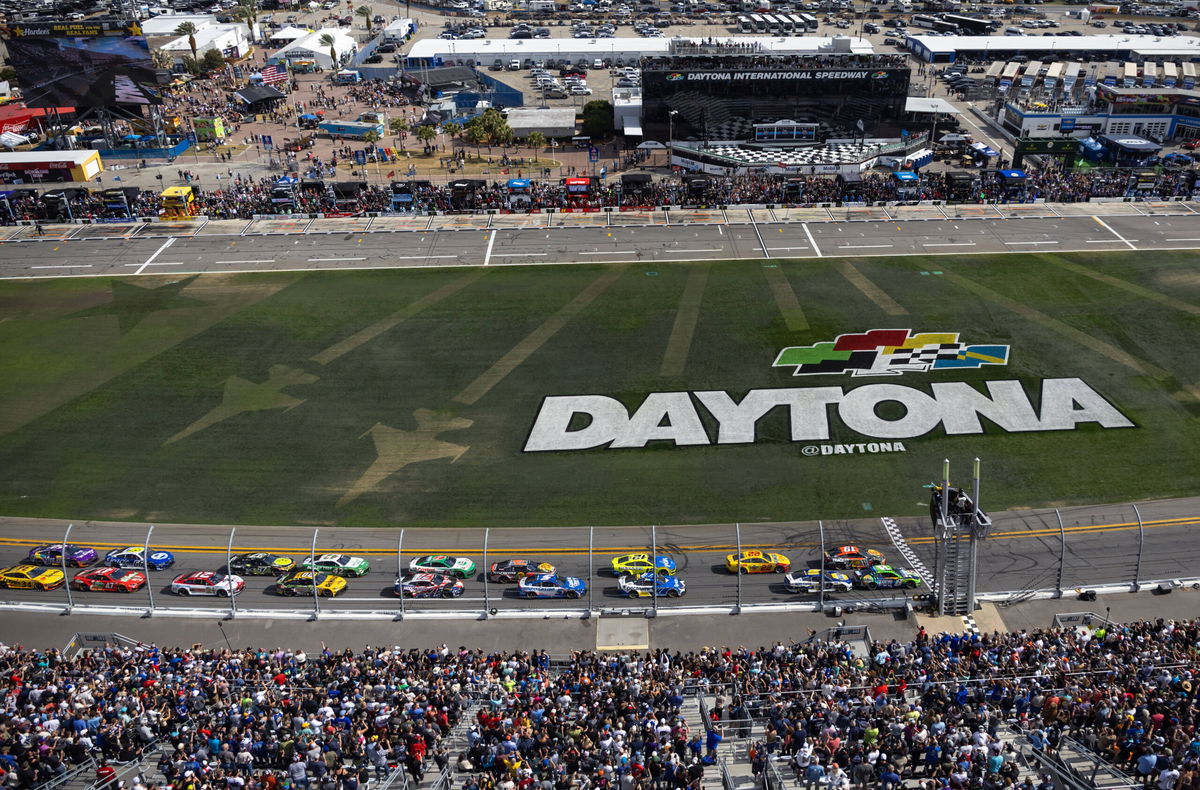
NASCAR, Motorsport, USA DAYTONA 500 Feb 15, 2026 Daytona Beach, Florida, USA NASCAR Cup Series drivers led by Kyle Busch 8 and Chase Briscoe 19 take the green flag to begin the 68th running of the Daytona 500 at Daytona International Speedway. Daytona Beach Daytona International Speedway Florida USA, EDITORIAL USE ONLY PUBLICATIONxINxGERxSUIxAUTxONLY Copyright: xMarkxJ.xRebilasx 20260215_mjr_su5_061
Imago
NASCAR, Motorsport, USA DAYTONA 500 Feb 15, 2026 Daytona Beach, Florida, USA NASCAR Cup Series drivers led by Kyle Busch 8 and Chase Briscoe 19 take the green flag to begin the 68th running of the Daytona 500 at Daytona International Speedway. Daytona Beach Daytona International Speedway Florida USA, EDITORIAL USE ONLY PUBLICATIONxINxGERxSUIxAUTxONLY Copyright: xMarkxJ.xRebilasx 20260215_mjr_su5_061
In NASCAR, not all wins carry the same weight. A handful of races have earned the reputation of “crown jewels,” the sport’s most prestigious races that every driver wants to win. Victories in races like the Daytona 500, Coca-Cola 600, Southern 500, and Brickyard 400 earn the driver the NASCAR ‘Grand Slam’ and are often spoken about in the same breath as championships. But if NASCAR were to recognize a fifth crown jewel, which race deserves that final spot? Let’s look at the case thoroughly.
Watch What’s Trending Now!
The four Crown Jewels that define NASCAR greatness
At the top sits the Daytona 500, often called the “Great American Race,” the season-opening spectacle that every driver dreams of winning at least once.
Then there’s the Coca-Cola 600 at Charlotte Motor Speedway, the longest race on the Cup Series schedule and a true test of endurance for teams and drivers.
The Southern 500 at Darlington Raceway carries a different kind of prestige, representing NASCAR’s deep-rooted history with its unforgiving, egg-shaped track that punishes even the smallest mistake.
Finally, the Brickyard 400 at Indianapolis Motor Speedway added a new dimension when it debuted in 1994, giving stock car drivers a chance to conquer one of motorsport’s most legendary venues. Together, these races became NASCAR’s crown jewels because they blend history, difficulty, and cultural significance in ways few other events can match. But are they enough?
Why NASCAR’s Grand Slam feels incomplete today
While the four crown jewels carry immense prestige, many fans and insiders feel the Grand Slam concept doesn’t fully represent modern NASCAR anymore. The sport has evolved dramatically over the last few decades, with new tracks, formats, and fan favorites emerging that rival the excitement of the traditional marquee events.
One of the biggest criticisms is that the current crown jewel list leans heavily toward superspeedways and intermediate tracks, leaving out one of NASCAR’s most beloved forms of racing: short tracks. Short-track racing has always been the heart of stock car culture, where aggressive driving, bump-and-run passes, and roaring crowds create some of the sport’s most memorable moments.
We consider NASCAR’s crown jewels the Daytona 500, Coca-Cola 600, Brickyard 400, & Southern 500. What would be the 5th?
866-PIT-LANE@SiriusXMNASCAR #TMDNASCAR
— Mike Bagley “Bagman” (@TheMikeBagley) March 12, 2026
Yet none of the four traditional crown jewels takes place on a true short track.
That gap has sparked debate among fans, drivers, and analysts who believe the Grand Slam should represent every major style of NASCAR racing: superspeedway, endurance test, historic oval, and short track spectacle. With venues like Bristol, Martinsville, and Richmond regularly producing dramatic races, the idea of adding a fifth crown jewel has gained traction.
As NASCAR continues to modernize its schedule and experiment with new markets, the conversation has only grown louder. If the Grand Slam is meant to represent the ultimate challenge in stock car racing, many believe it may need one more race to truly feel complete.
Biggest contender: The Bristol night race
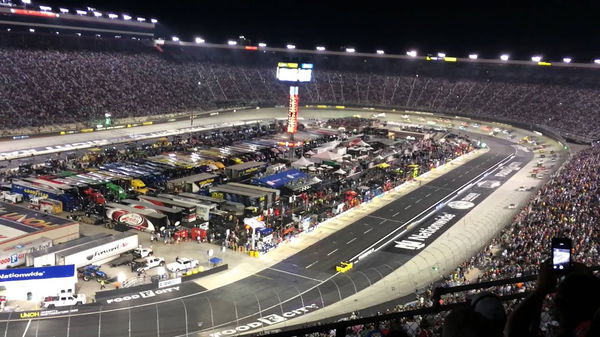
If one race has the loudest claim to becoming NASCAR’s fifth crown jewel, it’s the Bristol Night Race. Held under the lights at Bristol Motor Speedway, the Last Great Colosseum, the event has built a reputation as one of the most intense and unpredictable nights on the Cup Series calendar. With steep banking, a half-mile layout, and packed grandstands surrounding the track like a coliseum, the atmosphere is unlike anything else in NASCAR.
Drivers often describe Bristol as a place where tempers flare and legends are made. The tight confines force constant traffic and contact, producing dramatic battles that fans rarely forget. Over the years, the race has delivered countless iconic moments, from bump-and-run finishes to heated rivalries unfolding under the lights.
More importantly, the Bristol Night Race represents the short-track culture many believe is missing from the current crown jewel lineup. Its history, fan demand, and electrifying atmosphere make it the strongest contender to complete NASCAR’s modern Grand Slam.
Other contenders
While the Bristol Night Race often leads the conversation, it isn’t the only event fans believe could join NASCAR’s crown jewel list. The spring race at Talladega Superspeedway frequently comes up in debates thanks to its chaotic, high-stakes pack racing. Few tracks produce the kind of heart-pounding finishes Talladega is known for, making any victory there feel like a major achievement.

Imago
TALLADEGA, AL – APRIL 24: Blue skies and white clouds were in abundance for the running of the NASCAR, Motorsport, USA Cup Series GEICO 500 race on April 24, 2022 at the Talladega Superspeedway in Talladega, Alabama. Photo by David J. Griffin/Icon Sportswire AUTO: APR 24 NASCAR Cup Series GEICO 500 Icon9532204241030500
Another strong candidate is the spring race at Darlington Raceway. With the track already hosting the prestigious Southern 500 in the fall, some fans argue that any win at the notoriously difficult “Track Too Tough to Tame” carries a crown-jewel level challenge.
Then there’s the NASCAR All-Star Race, which, despite not awarding championship points, still holds a special place in the sport. With a massive purse, experimental formats, and only the best drivers eligible, winning the All-Star event has long been viewed as a badge of honor.
Each of these races brings its own prestige, which is why the debate over NASCAR’s potential fifth crown jewel continues to grow.
What a fifth Crown Jewel would mean for NASCAR’s Grand Slam
Adding a fifth crown jewel would do more than simply expand NASCAR’s most prestigious race list. Instead, it could reshape how driver legacies are measured. For decades, winning the traditional four marquee races has been seen as the sport’s version of a Grand Slam, a rare accomplishment that places drivers like Jeff Gordon, Bobby Allison, and Jimmie Johnson in elite company.
Recognizing another crown jewel would introduce a new milestone for future generations, giving drivers one more historic challenge to chase throughout their careers. It would also better reflect the modern NASCAR landscape by highlighting the type of racing fans value most today.
More importantly, a fifth crown jewel could create fresh storylines every season. Drivers who already have wins in the traditional four events might suddenly have one more box to check, while rising stars could build their reputations by conquering one of the sport’s toughest stages. In many ways, it would mark the next evolution of NASCAR’s Grand Slam.