
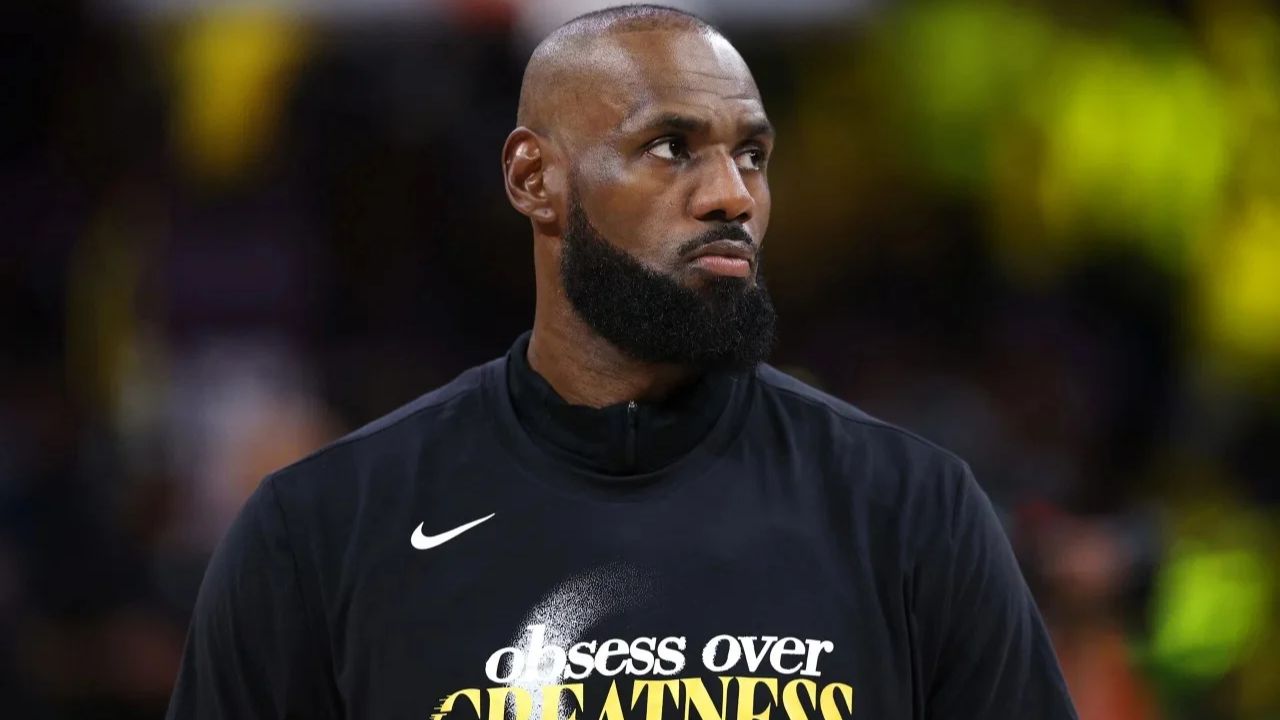
LeBron James has scored on nearly every stage basketball has to offer. Now, he is taking on a startup that allegedly tried to capitalize on his fame without his permission. The Philadelphia 76ers star filed a lawsuit Tuesday against the makers of an AI sports-betting app called “Bron,” accusing them of using his name, nickname, and likeness to promote an unknown product.
Watch What’s Trending Now!
A lawsuit with a sharp edge
The complaint was filed in U.S. District Court in New York. James’ attorneys accuse the company of deliberately violating his publicity rights and trademarks by naming the app “Bron” and using AI-generated images of him in its marketing. They describe the conduct as “a willful, bad-faith tactic” intended to promote a new and unknown product.
The filing argues that the defendants knowingly engaged in illegal conduct to gain notoriety. According to the lawsuit, they created the false impression that James endorsed the app and was affiliated with it, hoping to drive downloads and paid subscriptions.
James is asking the court to bar the makers from using his name, require them to turn over any money earned through the alleged misuse, and award damages. Those damages would include the fair market value of using his name, along with punitive damages. The lawsuit also notes that James typically commands tens of millions of dollars for endorsement deals. It adds that he already has an exclusive deal with prediction market platform Polymarket.
The app, the ad and the fallout
The app’s developer is PlayVision Inc., a California-based company. Chief executive Anish Gupta and chief technology officer Marc Zoghby launched the company in 2025 with backing from startup accelerator Y Combinator. It was initially developed to use artificial intelligence to analyze game and practice footage for sports teams and fans.
This year, the company released “Bron.” According to the company, the app does not accept direct wagers. Instead, it charges a subscription fee for services such as bet tracking and odds comparison.
The controversy centers on a marketing campaign launched this month. The ad featured an image of a person resembling James, complete with his tattoos, voice, and No. 23 jersey. The figure was shown sitting in a locker room and scrolling through the app.
According to available reports, James’ lawyers sent the company a cease-and-desist letter. The company took down the ad, but the damage had already been done. According to the lawsuit, the ad had been reposted and viewed about 1 million times.
Gupta replied to the demand on social media, stating that the app would be renamed. However, by the time the lawsuit was filed, the company had yet to adopt one. James’ legal team suggests that the company was using the controversy to generate attention. Gupta has since written on social media that the new name will be announced Wednesday.
The Associated Press sent messages through the app’s website and to the founders’ email addresses seeking comment. None had been returned by Tuesday.
Why does the betting angle matter?
The lawsuit argues that the context made the ad particularly harmful. The AI-generated version of James was shown scrolling through bets involving NBA players. The complaint says the integrity of NBA competition, along with public confidence that players are not betting on the games they play, is of paramount importance to the league, its players, and its fans. Any suggestion that an active NBA player is betting on NBA games is therefore far from trivial, the lawsuit argues, and should not be used to generate clicks and views.
That argument gives the case significance beyond a typical trademark dispute. Sports betting has grown rapidly, and leagues remain sensitive to anything that blurs the line between players and wagering. An unauthorized, AI-generated depiction of one of basketball’s most recognizable figures placing or tracking bets touches directly on that concern.
The case also comes as generative AI makes it easier than ever to recreate a person’s face, voice, and mannerisms. Few figures have more commercial value attached to their identity than James, making the stakes of an unauthorized likeness especially clear.
The company has not yet publicly responded to the allegations in court, and the legal fight is only beginning. Whatever new name the app adopts Wednesday, James’ lawsuit sends a clear message: His name and image are not free marketing material, whether they are reproduced by a camera or an algorithm.