Imago
unlicensed image
Imago
unlicensed image
The NBA’s expansion conversation has quietly created one of the most fascinating questions about the league’s future. Not just where the next teams will land, but who could end up owning them.
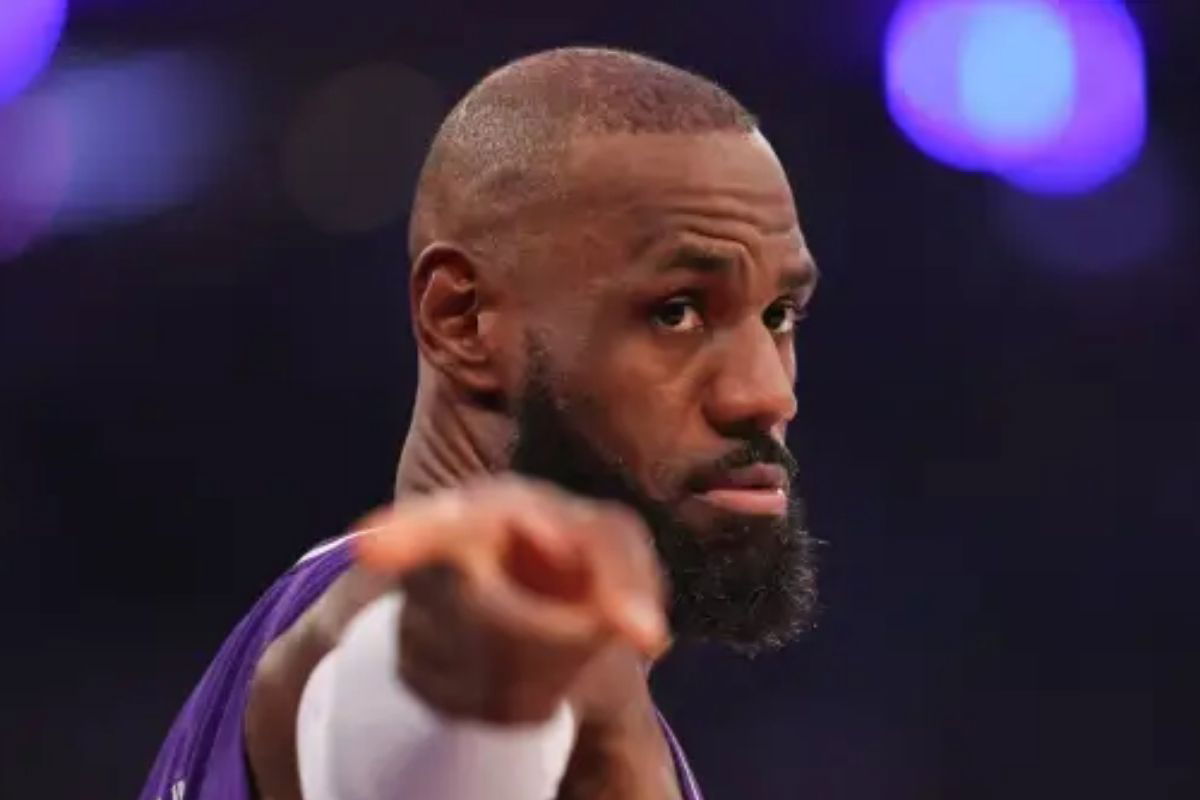
Among the names constantly tied to that conversation is LeBron James. The Los Angeles Lakers superstar has openly discussed his interest in bringing an NBA franchise to Las Vegas once his playing career ends.
Watch What’s Trending Now!
And with the league preparing to explore expansion into Las Vegas and Seattle, the idea suddenly feels less hypothetical. Industry projections place expansion franchises between $7 billion and $10 billion, which would instantly make them among the most expensive sports assets ever sold. Because of that staggering number, the natural question follows.
Can LeBron James realistically buy a Las Vegas NBA team?
The Financial Reality Behind LeBron James’ Ownership Dream
At first glance, the price tag alone appears overwhelming. However, James enters the conversation with financial credentials that few athletes in sports history possess. As of early 2026, Forbes estimates his net worth at roughly $1.3 billion, making him the first active NBA player to reach that milestone.
That fortune did not come from basketball alone.
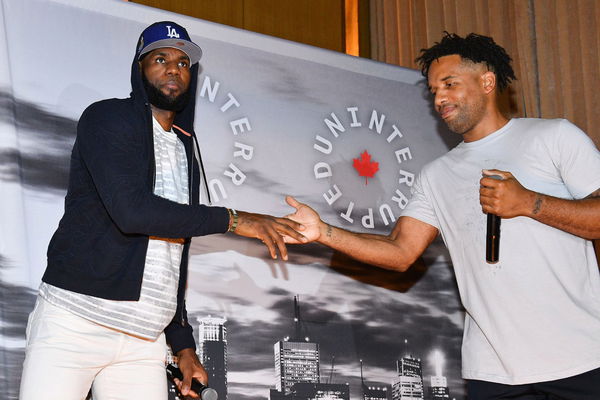
James has earned more than $580 million in NBA salary, but his larger wealth comes from a massive off-court portfolio that includes a lifetime Nike deal worth over $1 billion, equity in Blaze Pizza, real estate investments, venture capital plays, and his media company SpringHill.
He also owns a stake in Fenway Sports Group, which gives him indirect ownership exposure to several major franchises. Through Fenway, James has ties to the Boston Red Sox in MLB, Liverpool FC in the Premier League, and additional sports assets under the group’s umbrella.
Still, those are minority stakes in existing teams. Buying into an NBA expansion franchise would represent a completely different financial scale. Recent sales illustrate how dramatically franchise values have exploded.
The Boston Celtics sold for $6.1 billion, while the Los Angeles Lakers reached a staggering $10 billion valuation in recent transactions. Even the Portland Trail Blazers cleared $4 billion, establishing a new financial baseline across the league.
Because of that surge, expansion teams in Las Vegas or Seattle are expected to land in the $7 billion to $10 billion range before even considering arena construction, market premiums, and ownership dilution from expanding the league’s $76 billion media rights deal across 32 teams.
In short, no single athlete could realistically fund such a purchase alone. However, that does not automatically eliminate James from the ownership conversation.
The Ownership Blueprint Already Exists
For James, the model already exists inside NBA history. Michael Jordan became the first former NBA player to secure majority control of a franchise when he bought the Charlotte Bobcats in 2010 for roughly $275 million.
Jordan held the team for more than a decade before selling the majority stake in 2023 for approximately $3 billion, while still retaining a minority position. That move demonstrated something critical.
An NBA legend could transition from player to owner while dramatically increasing franchise value over time. Jordan purchased during a very different financial era.
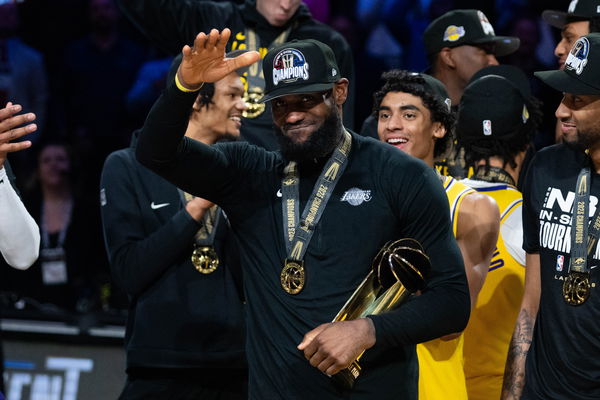
USA Today via Reuters
December 9, 2023; Las Vegas, Nevada, USA; Los Angeles Lakers forward LeBron James (23) celebrates with the most valuable player trophy after the in-season tournament championship against the Indiana Pacers at T-Mobile Arena. Mandatory Credit: Kyle Terada-USA TODAY Sports
James would be entering a league whose franchise valuations have exploded due to media rights deals, global broadcasting reach, and sports becoming a prime private equity investment.
Because of that, the financial challenge would be far greater. At the same time, the long-term upside could be equally massive. Still, one key obstacle remains before any ownership scenario becomes realistic.
James must retire first. The NBA’s Collective Bargaining Agreement prohibits active players from holding direct or indirect ownership stakes in league franchises. Until he steps away from playing, the possibility cannot move beyond speculation.
Retirement, however, may not be far away for the 41-year-old superstar.
Why Las Vegas Could Still Make LeBron the Face of Expansion
Even if the price tag climbs toward $10 billion, expansion ownership rarely belongs to a single buyer. Instead, franchises are typically purchased by ownership groups or investment syndicates that pool capital.
That structure could allow James to play a prominent role without personally funding the entire transaction. Speculation around this possibility intensified earlier in 2026 when reports suggested James could pursue ownership with longtime agent Rich Paul, potentially using financial backing tied to Klutch Sports and James’ Fenway relationships.
However, that narrative quickly faced pushback. Paul publicly denied the idea that he and James were actively preparing a bid for an NBA team. “I don’t have enough money to buy a team, I really don’t.”
That comment revealed a broader financial truth behind modern franchise ownership. Even billionaires rarely buy teams alone anymore. Institutional investors, private equity groups, and large ownership partnerships typically lead the process.
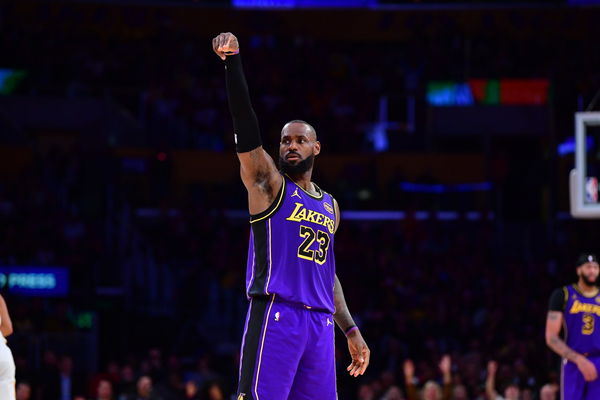
Imago
Jan 3, 2025; Los Angeles, California, USA; Los Angeles Lakers forward LeBron James (23) reacts after scoring three point basket against the Atlanta Hawks during the second half at Crypto.com Arena. Mandatory Credit: Gary A. Vasquez-Imagn Images
Because of that structure, James may be more likely to serve as a high-profile minority partner or public face of a Las Vegas ownership group rather than the sole financial driver.
Even that role would carry enormous value for the league. James remains one of the most recognizable athletes in the world, and keeping him connected to the NBA after retirement could benefit the league’s marketing and global reach.
From the league’s perspective, an ownership group featuring LeBron James would instantly give a Las Vegas franchise credibility and global attention. For James himself, the opportunity would represent the ultimate extension of his basketball legacy.
He has spent more than two decades shaping the league as a player. Ownership would allow him to influence the NBA from an entirely different level.
The timeline now depends on the NBA’s expansion process.
League governors will vote in March 2026 on whether to formally explore expansion in Las Vegas and Seattle. That vote only begins the bidding process rather than guaranteeing new teams.
Ownership groups would then submit financial proposals, arena plans, and capital structures before a final vote later in the year. If those bids meet the league’s valuation threshold, expansion franchises could debut during the 2028-29 NBA season.
That timeline aligns almost perfectly with the end of James’ playing career. Whether he leads an ownership group or joins one as a partner remains uncertain. What is clear, however, is that the economics of the modern NBA have transformed franchise ownership into a multi-billion-dollar game.
For LeBron James, the dream of owning a Las Vegas NBA team is no longer just a celebrity idea. It is a possibility that now depends on the intersection of expansion politics, institutional capital, and the next chapter of his career.