Imago
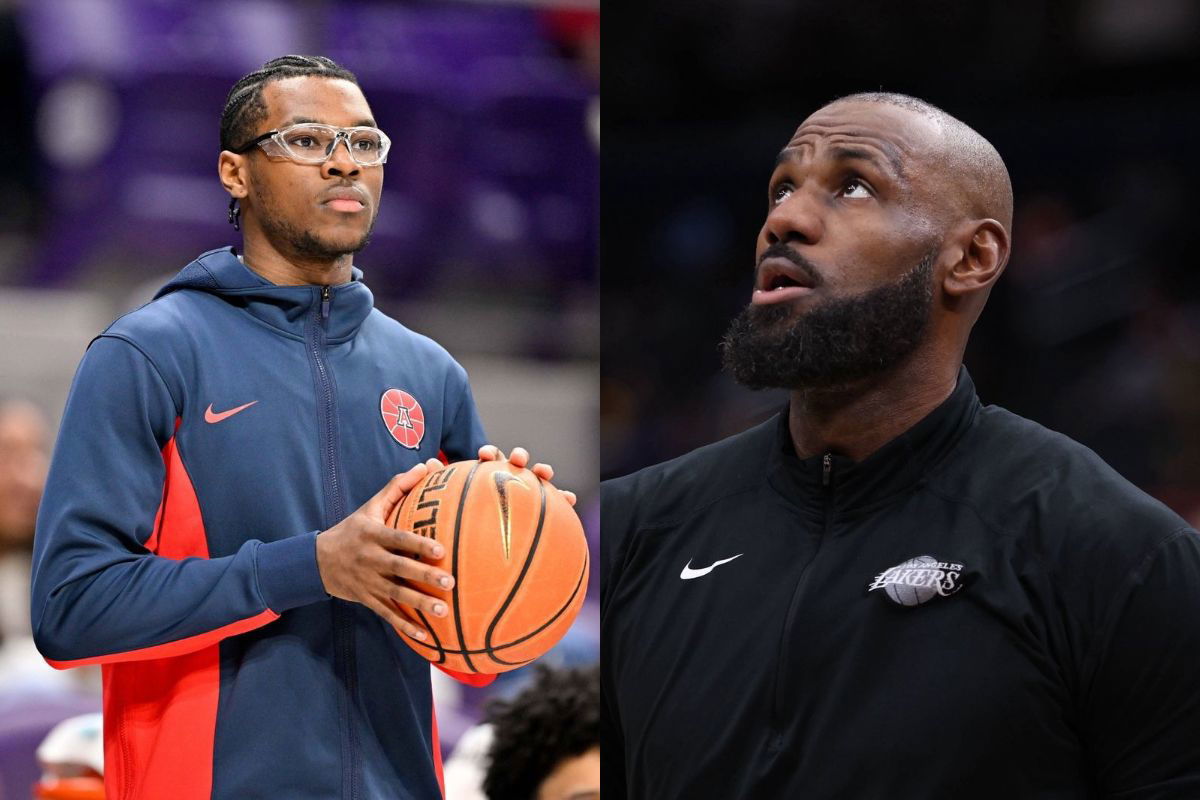
Bryce James and LeBron James (Image via: IMAGO)
Imago
Bryce James and LeBron James (Image via: IMAGO)
The league is punishing teams for losing on purpose, yet front offices keep pushing closer to the line. Fines have already arrived this season, and investigations followed immediately after. Still, the behavior has not slowed down. Because the incentive is not the present. It is the future.
Watch What’s Trending Now!
According to Shams Charania on The Sports Reporters, executives around the NBA view the 2027 draft as dramatically stronger than the two classes that follow. That belief is now shaping roster decisions across the league and explains why several teams appear willing to risk discipline.
“A lot of people around the league view this draft as an A+ and then the next two drafts as maybe at not that level, right? And so, if you think about it like that, a lot of people are putting their eggs in this year’s draft class basket.” That single evaluation changes how losses are interpreted. Instead of short-term struggles, they now resemble calculated positioning.
Top Stories





Imago
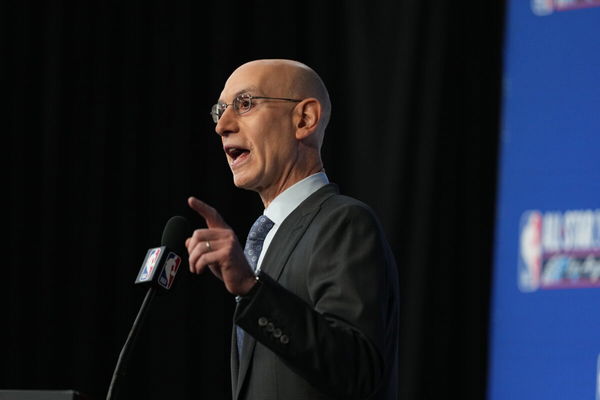
Feb 14, 2026; Los Angeles, CA, USA; NBA commissioner Adam Silver speaks to the media during a press conference before 2026 NBA All Star Saturday Night at Intuit Dome. Mandatory Credit: Kirby Lee-Imagn Images
The NBA already reacted to extreme cases this season. The Utah Jazz rested starters in losses, the Washington Wizards traded for injured players, and the Indiana Pacers received a fine for roster management decisions. Each case signaled the same pattern. Losing became strategic rather than circumstantial.
The reason centers on talent projection. BYU commit AJ Dybantsa and Duke prospect Cameron Boozer headline a 2027 class widely viewed as franchise-changing. Cooper Flagg, the reigning number-one pick, recently praised Boozer publicly, reinforcing the class’s reputation inside league circles. Because of that perception, teams believe this opportunity may not exist again soon.
Meanwhile, Bryce James is projected for the 2028 draft after a potential redshirt freshman season. That class carries intrigue but not the same universal hype. The contrast matters. Organizations are prioritizing the year viewed as elite rather than waiting for an uncertain future upside. The result is a league-wide behavior shift. Losing now could produce a cornerstone later.
Adam Silver could spoil a lot of tanking teams’ plans moving forward
The NBA has already moved beyond warnings. Commissioner Adam Silver issued a communication to teams and began pursuing structural change. Punishments are only the first step.
Proposed lottery adjustments would include Play-In teams in the odds and flatten probability gaps. If implemented, finishing with the worst record would no longer guarantee a meaningful advantage. Instead, lottery outcomes would rely far more on chance.
That approach targets the strategy itself. Tanking stops being predictable. Recent history supports the league’s thinking. The Dallas Mavericks previously jumped in lottery position despite not owning the worst record, proving luck can override standings. Under expanded odds, similar jumps would become even more common.
Notably, these reforms would not affect the immediate draft but could influence future selections. Teams chasing long-term positioning would face reduced certainty and potential penalties simultaneously.
Front offices now face a different calculation. The reward of a premium prospect still exists, but the pathway is unstable and monitored. Because of that, aggressive losing becomes risky instead of efficient.
The upcoming seasons will test whether organizations trust lottery luck or abandon extreme strategies altogether. If Silver’s changes hold, the incentive structure shifts from deliberate losing toward competitive uncertainty. And that outcome would redefine how teams chase the next franchise star.
Written by

Edited by

Ved Vaze