Imago
unlicensed image
Imago
unlicensed image
The league keeps talking about competitive integrity, yet the incentives still reward losing. Every season brings another round of resting starters, late scratches, and suspicious fourth quarters. Fans notice it, players notice it, and now the solutions are getting louder.
Watch What’s Trending Now!
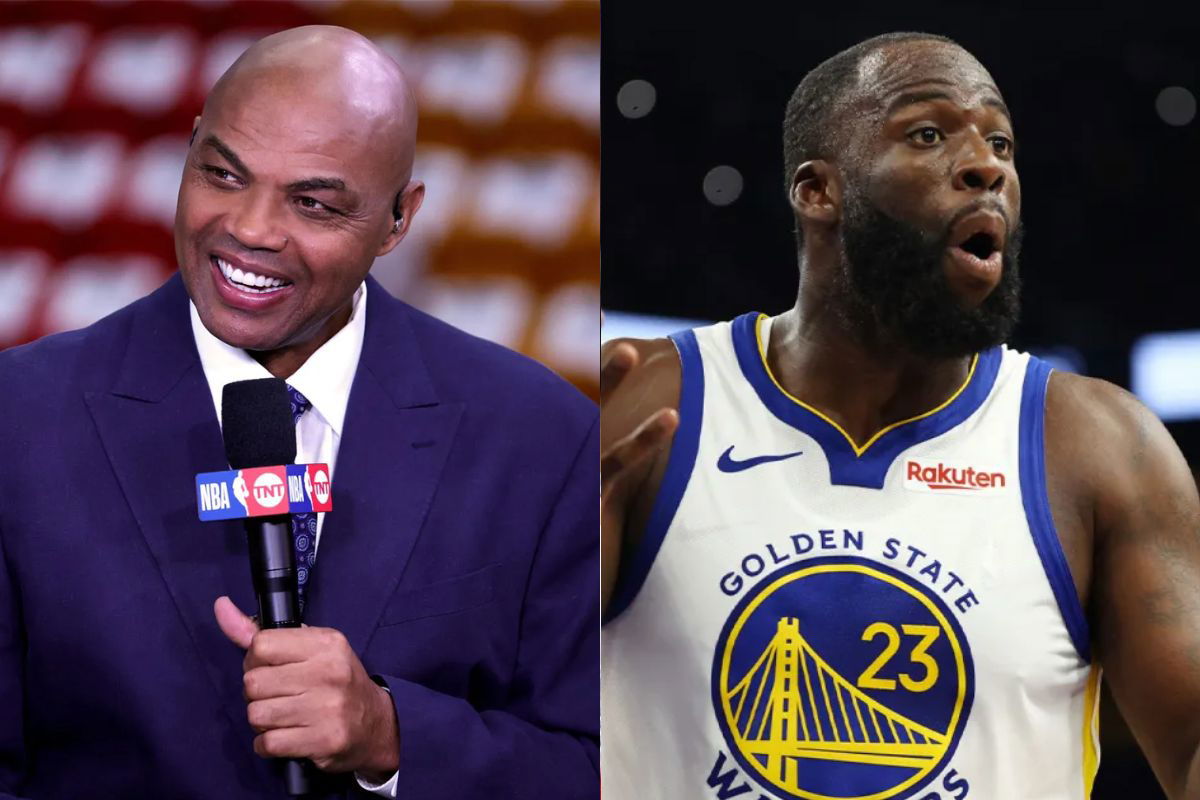
That conversation took a sharper turn this week when Draymond Green publicly supported a financial penalty idea from Charles Barkley on his podcast after Barkley introduced the proposal during a February 20 ESPN segment. The plan directly targets ownership wallets rather than team records. Because if losing remains profitable, the behavior never disappears.
Green’s endorsement was simple. Stop teams under .500 from charging fans like contenders. “I like Charles Barkley’s idea, which is you can’t raise ticket prices if you’re below .500… You shouldn’t be able to raise ticket prices… make it affordable because you’re trash with these fans coming to watch you play.” The Warriors veteran also explained why players notice pricing. Road games often cost far more for families and guests when high-profile teams visit, and that frustration spreads across locker rooms. Barkley’s rule would remove the ability to benefit financially while intentionally losing.
Top Stories





Charles Barkley breaks down his potential solutions to combat tanking in the NBA ✍️ pic.twitter.com/T4VNPSNDgS
— NBA on ESPN (@ESPNNBA) February 20, 2026
Barkley’s stance itself was direct. “I don’t think any team should be able to raise their ticket prices if they are below .500… you getting your cake and eat it too. But you should not be able to try to lose.”
The financial angle matters because media rights generate the majority of revenue, but gate receipts still account for roughly 28 percent of annual income. A restriction on pricing, therefore, creates a real deterrent instead of a symbolic fine.
Recent backlash over a ticket price increase of nearly nine percent by Dallas shows how quickly fans react when performance and cost disconnect. The frustration fits Barkley’s broader argument that tanking survives because it rarely hurts ownership.
What was Charles Barkley’s other solution to counter tanking in the NBA?
The pricing rule was only one part of Barkley’s proposal. He also suggested flattening lottery odds completely. “Every team in the lottery should get one ping pong ball… If you trade a pick, it’s gone.”
His reasoning reflects the modern lottery reality. Teams chase the worst record for higher odds, yet history shows limited reward. Since the weighted lottery began in 1990, only seven last-place teams landed the first pick. After the 2019 reform flattened odds, no worse team has won the top selection.
Meanwhile, the league’s tanking concerns continue to grow. Utah was fined after sitting key players late in close games. Sacramento also faced scrutiny after multiple season-ending surgeries appeared during the same window.
Because of that, alternative punishments are being discussed. One proposal suggests removing draft picks entirely, since fines rarely impact billionaire ownership groups. Together, these debates show a pattern. Current punishments affect teams. Barkley’s plan affects business incentives.
Tanking persists because losing can still be profitable. Green’s support pushes the conversation toward consequences owners actually feel, not just competitive penalties players absorb. If the league adopts any reform, the next step will not be about standings or lotteries. It will be about whether losing finally costs money.
Written by

Edited by

Ved Vaze