
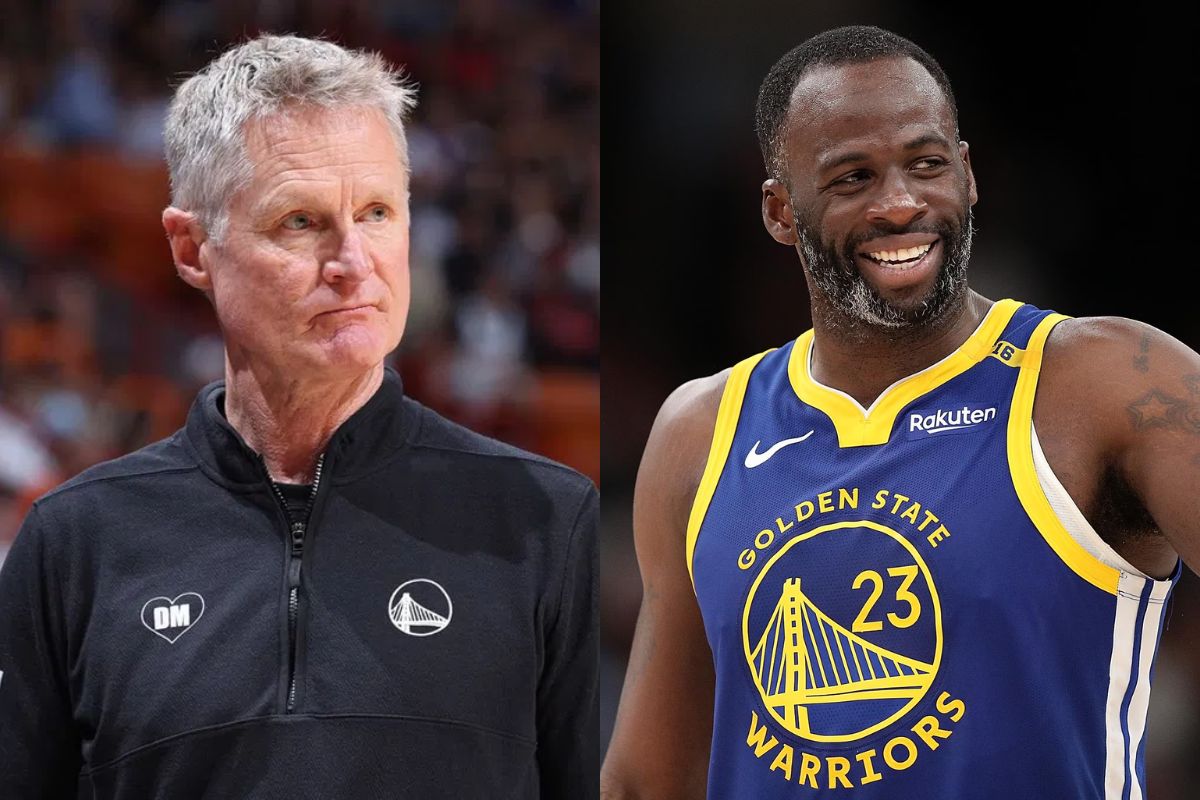
With just over four minutes left and the Warriors trailing, Draymond Green suddenly leaped onto an opponent’s back during a free throw. The moment looked chaotic. The explanation wasn’t.
Watch What’s Trending Now!
After Golden State’s 113-109 loss to New Orleans on February 24, Green clarified the play came directly from a conversation with Steve Kerr and was meant to burn a possession without triggering a transition take-foul penalty. “Steve and I were talking about the foul… we were going to take a foul to waste a possession.”
The bizarre visual quickly went viral. However, the Warriors weren’t improvising. They were targeting a specific rule.


Draymond Green, box-out yapan DeAndre Jordan'ın sırtına çıktı...
The play occurred while a Pelicans free throw was in the air and Green intentionally fouled center DeAndre Jordan from behind. Timing mattered more than contact. If Golden State waited for the inbound, the defense would have been restricted by the transition take-foul rule, which awards a free throw and possession. Fouling during the dead-ball sequence avoided that penalty and forced Jordan, a 55.6% free-throw shooter this season, to the line instead.
“If I don’t foul right there… it becomes one shot and the ball.” Because of that, Green couldn’t risk a light bump or reach. Jordan’s size also eliminated subtle contact, so the foul had to be obvious enough to stop play immediately while the clock stayed frozen.
The tactic resembled the long-used strategy of intentionally sending a weaker shooter to the stripe, only adapted to modern foul rules.
Golden State entered the game shorthanded and needed extra possessions late. The Warriors ultimately lost, but the decision showed the coaching staff prioritizing clock control over conventional defense.
Meanwhile, the moment reinforced Green’s role as the team’s defensive quarterback. His responsibility often includes recognizing rule situations in real time rather than reacting after the play develops. That distinction matters because the current NBA foul system punishes late intentional fouls. Acting early creates the only window to manipulate possession value.
Draymond Green reaches yet another Warriors milestone
Despite the loss, Green still added a franchise achievement in the same night. He grabbed his 1,000th career offensive rebound and became the ninth player in Warriors history to reach the mark.
He finished with 11 points, seven rebounds and six assists in roughly 32 minutes while guiding a depleted lineup. At the same time, the performance highlighted his broader impact. Green ranks fifth all-time in total rebounds for the franchise with 6,360, showing value tied more to positioning and anticipation than scoring.
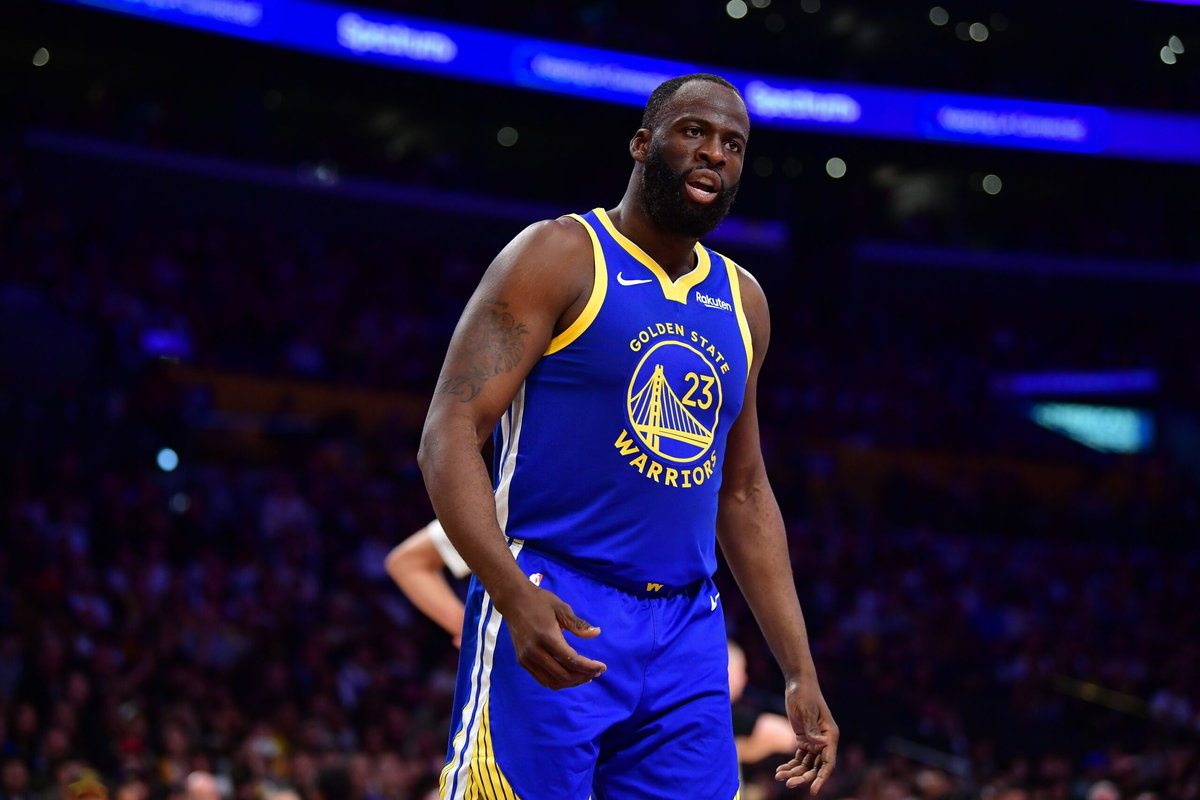
Imago
Feb 7, 2026; Los Angeles, California, USA; Golden State Warriors forward Draymond Green (23) reacts during the first half at Crypto.com Arena. Mandatory Credit: Gary A. Vasquez-Imagn Images
Green later missed the next game against Memphis due to back soreness, and Golden State won without him. Still, his availability remains critical because the Warriors rely on defensive organization more than individual shot creation when short-handed.
The Pelicans sequence demonstrated why. The play wasn’t emotional or reckless. It was calculated clock management inside a complicated rulebook. As the regular season tightens, possessions become strategy battles rather than highlight plays. For Golden State, that means trusting the player who knows when a strange-looking foul is actually the correct one.