
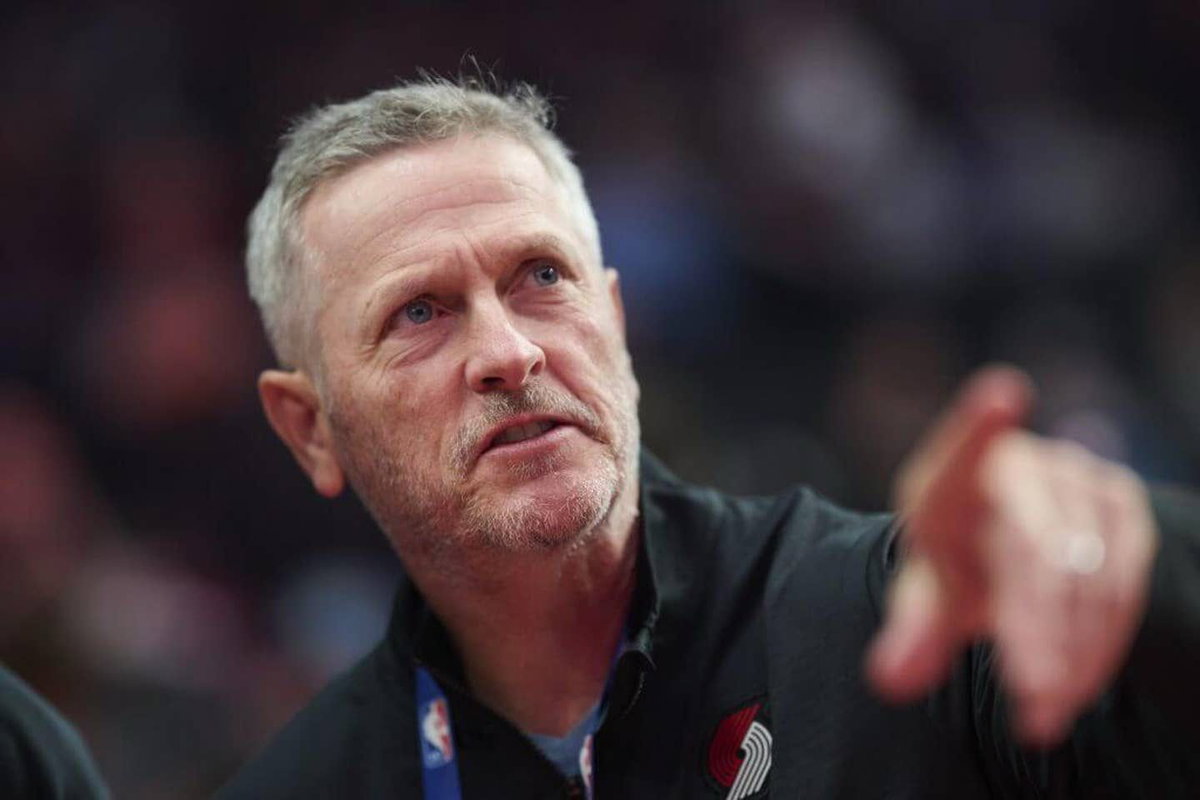
The latest controversy surrounding the Portland Trail Blazers began with pink slips, not on the court. Approximately 75 business-side employees were reportedly laid off on Tuesday, a drastic move that shook the organisation and its fan base. Casey Holdahl, the Blazers’ long-time beat reporter and one of the team’s most recognisable voices after more than 18 years of coverage, was among those affected.
Watch What’s Trending Now!
Holdahl confirmed the news himself in a message posted to X. “I have indeed been let go after 18+ years with the @trailblazers,” he wrote. “My sincerest thanks to all of you who have read/listened/watched/engaged with my work over the years.”
His departure quickly became the emotional center of a decision that has once again placed owner Tom Dundon under heavy scrutiny. The layoffs arrive at a turbulent moment for Portland. In recent months, the franchise has faced criticism over multiple off-court issues, including the suspension of coach Chauncey Billups and reports surrounding travel restrictions involving the team’s two-way players during the playoffs.

I have indeed been let go after 18+ years with the @trailblazers. My sincerest thanks to all of you who have read/listened/watched/engaged with my work over the years.
The scale of the layoffs was reported by Rose Garden Report’s Sean Highkin, who said that around 70 people were let go on the business side. Willamette Week also reported that at least three dozen were laid off, noting that the layoffs reached as high as the senior vice president level. Blazers’ president of business operations, Dewayne Hankins, later confirmed the layoffs, but did not specify how many people lost their jobs. However, Chris Mannix reported that the organization’s entire PR staff had been ‘Broomed out’.
In a statement, Hankins said: “Today, as part of our plans to position the organization for the future, we made the difficult decision to restructure several areas of the business. These changes impacted talented people who have helped shape the Trail Blazers over many years. We are deeply grateful for their contributions, their leadership, and the care they showed every day for our team, our fans and the Portland community. Our focus now is supporting those affected through the transition and positioning the organization for long-term success.”
In March, Tom Dundon took over the team from the estate of late owner Paul Allen, who had owned the Blazers since 1988. His first weeks as owner drew controversy, with his cost-cutting decisions, such as not allowing two-way players Caleb Love, Chris Youngblood, and Jayson Kent to travel with the team for the first two games of Portland’s first-round playoff series against the San Antonio Spurs.
Furthermore, another incident involved instructing Blazers staff to check out of hotel rooms earlier than normal to avoid late fees, and reportedly left the team’s masseuse without a private space to treat players. Dundon addressed both controversies publicly just days before the layoffs, but his words now carry a different weight.
Blazers Owner Tom Dundon Had Already Signaled What Was Coming
Tom Dundon, on the “Game Over” podcast with Max Kellerman and Rich Paul, addressed the allegation of being tagged “cheap.”
He said, “I want to run the business properly, but I want to win more than I want to make money,” Dundon said. “That seems kind of obvious if you’re in this business, right? Winning’s the only reason you do it.”
And on the travel controversy, he framed it as a cultural misread rather than a financial decision:
“I’m just not gonna waste $100 million just because someone wants to write an article calling me cheap. I’m just not going to do it… Like on traveling players, I just made a mistake. I just don’t understand the league.”
Imago
IMAGN
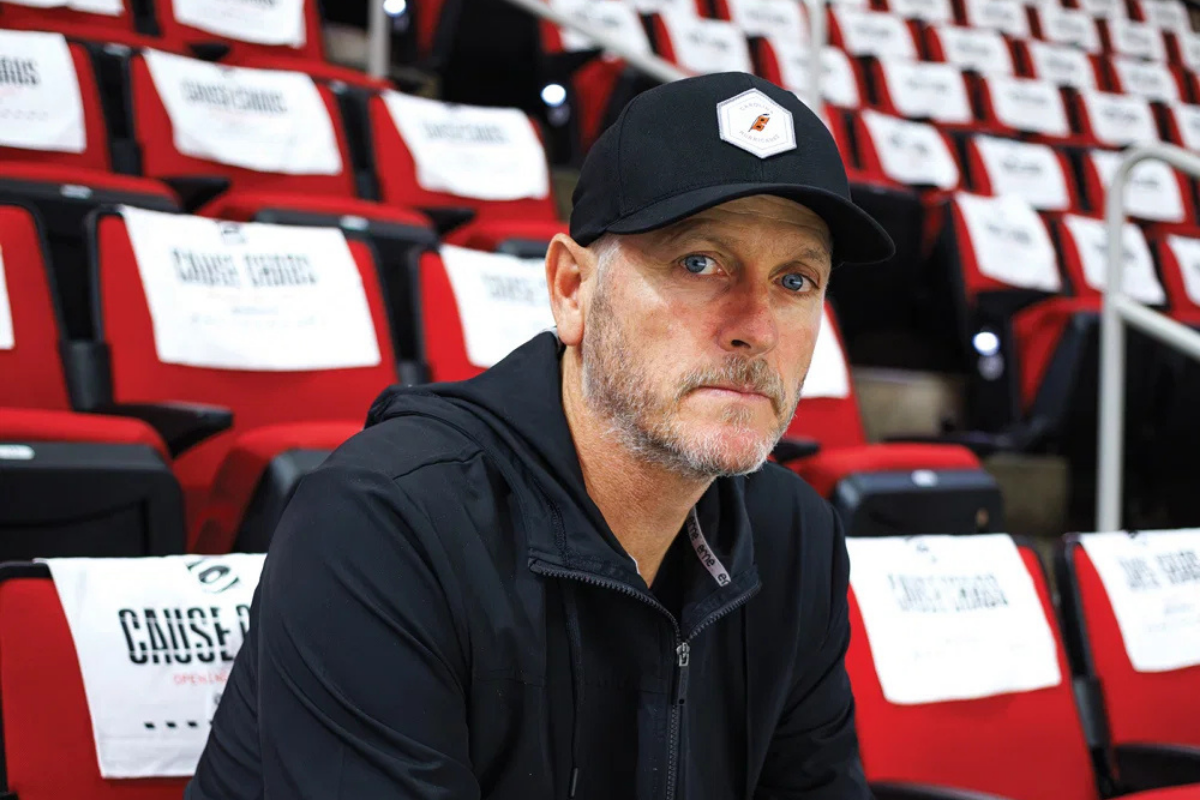
Tom Dundon, who also owns the NHL’s Carolina Hurricanes, has a documented history of entering stagnant franchises and restructuring them aggressively before building toward competitiveness. The Blazers are simultaneously negotiating with the city and Multnomah County to secure $600 million in public funding for an overhaul of the Moda Center, their arena.
Reports also suggested that Dundon’s group explored hiring a head coach at a salary below league norms, though a team source disputed that claim.
For Blazers fans, Holdahl’s exit is not a staffing statistic. He was the franchise’s institutional memory, the voice that contextualized trades, injuries, and playoff hopes through two decades of Rip City’s highs and lows. Whether Dundon’s Carolina-style restructuring eventually yields results in Portland, or strips the organization of the cultural infrastructure it took nearly 20 years to build, will be the defining question of his early ownership tenure.