
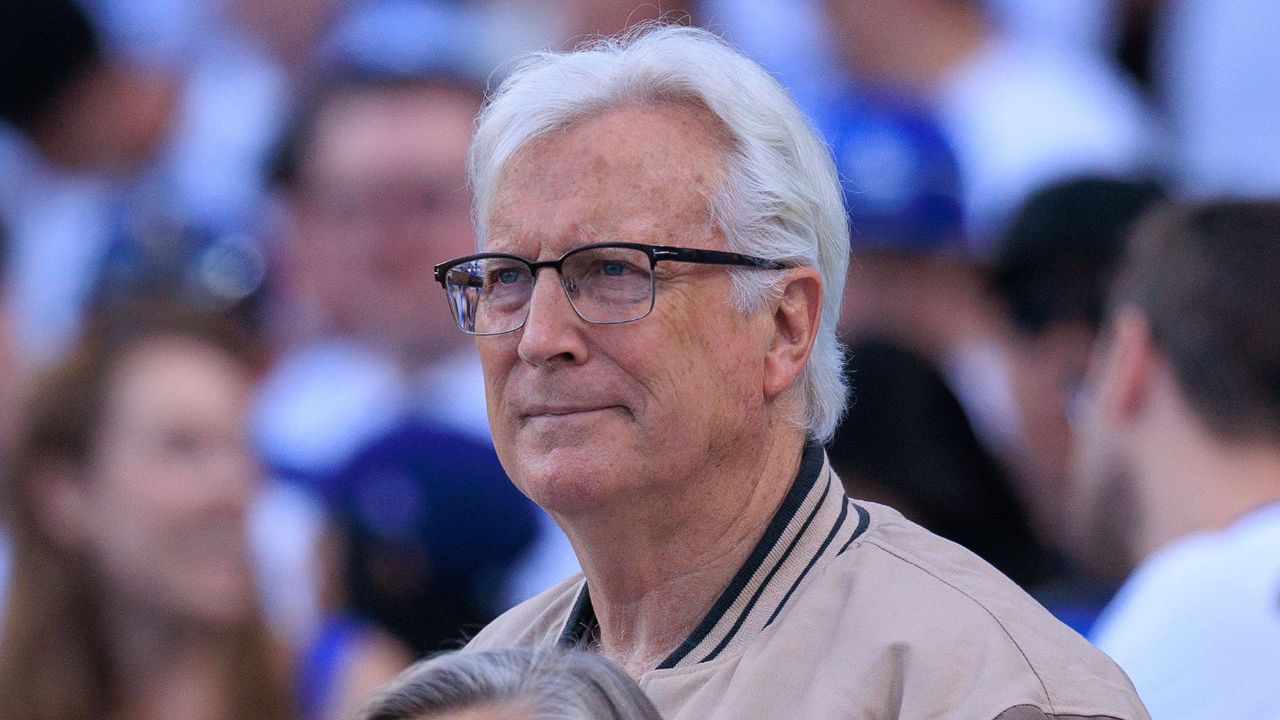
The sudden record-shattering $12.5 billion sale of the Los Angeles Lakers to an investment group led by Bob Iger and Josh Kushner has left the NBA world shaken by the rapid move. But it has also drawn sharp criticism toward outgoing owner Mark Walter. Just 14 months after purchasing a majority stake in the storied NBA franchise for $10 billion, and less than a year after the NBA Board of Governors approved it, the global investment billionaire pocketed an unprecedented $2.5 billion profit. However, the astronomical financial return has magnified the stark corporate adjustments that defined his brief tenure in the NBA.
Watch What’s Trending Now!
Appearing on the latest episode of ESPN LA’s Sedano & Kap, veteran NBA reporter Dave McMenamin aggressively questioned the actual sporting and cultural legacy left behind by the Dodgers mogul’s brief controlling period in the basketball realm. Rather than investing in sustainable organizational infrastructure or building on the court, McMenamin characterized Walter’s stint as a highly clinical venture that alienated employees and fans alike.
“But you know, right now I think you can look at, okay, what actually happened in the Mark Walter era, if you want to even call it that,” McMenamin said. “Okay, they added two rows of courtside seats. They fired a bunch of folks. They raised season ticket prices 40% for some folks. And they made $2 billion. Like, not a very impressive resume there for his time being the principal owner of the Los Angeles Lakers.”
In October 2025, the NBA Board of Governors approved the $10 billion sale to Mark Walter. Jeanie Buss remained acting governor, but Walter had not had a full season in the basketball operations.
While his outgoing message said “Lakers belong to Los Angeles,” Walter focused on cold business priorities, as McMenamin said. While the franchise easily generated billions in a red-hot market for premium sports franchises, the internal human toll and aggressive revenue tactics left a lingering stain on Lakeshow.
Among the first changes he brought in was the “Courtside Reserve,” with about 60 seats in total, split evenly along the baselines behind the traditional front-row courtside seats at Crypto.com Arena. The additional food and beverage services came at a premium.
Simultaneously in February, it was revealed that the Lakers raised ticket prices by at least 14 percent and also added a 3% “admin fee.”
Every day, fans felt the financial pressure as the organization raised baseline season-ticket costs by up to 40% for multiple long-term seat holders.
To most fans, the first seating modifications in the arena’s 50-year history felt like squeezing loyal package holders to cater to high-net-worth individuals.
More damagingly, the corporate reorganization took a severe internal toll on long-standing team staff. In addition to firing Jeanie’s younger brothers, Joey and Jesse Buss (who opposed the sale to Walter), there were layoffs throughout the Lakers organization.
Under the banner of modeling the NBA front office after the Los Angeles Dodgers’ analytics-driven success, Walter executed a cold internal purge. More than a dozen dedicated, long-term front-office employees were part of the operational cuts.
Though the incoming stewardship under Iger and Kushner promises a return to highly active, community-centric, hands-on leadership, the prior 14 months demonstrated that the franchise was treated predominantly as a lucrative financial asset rather than a cultural institution.