
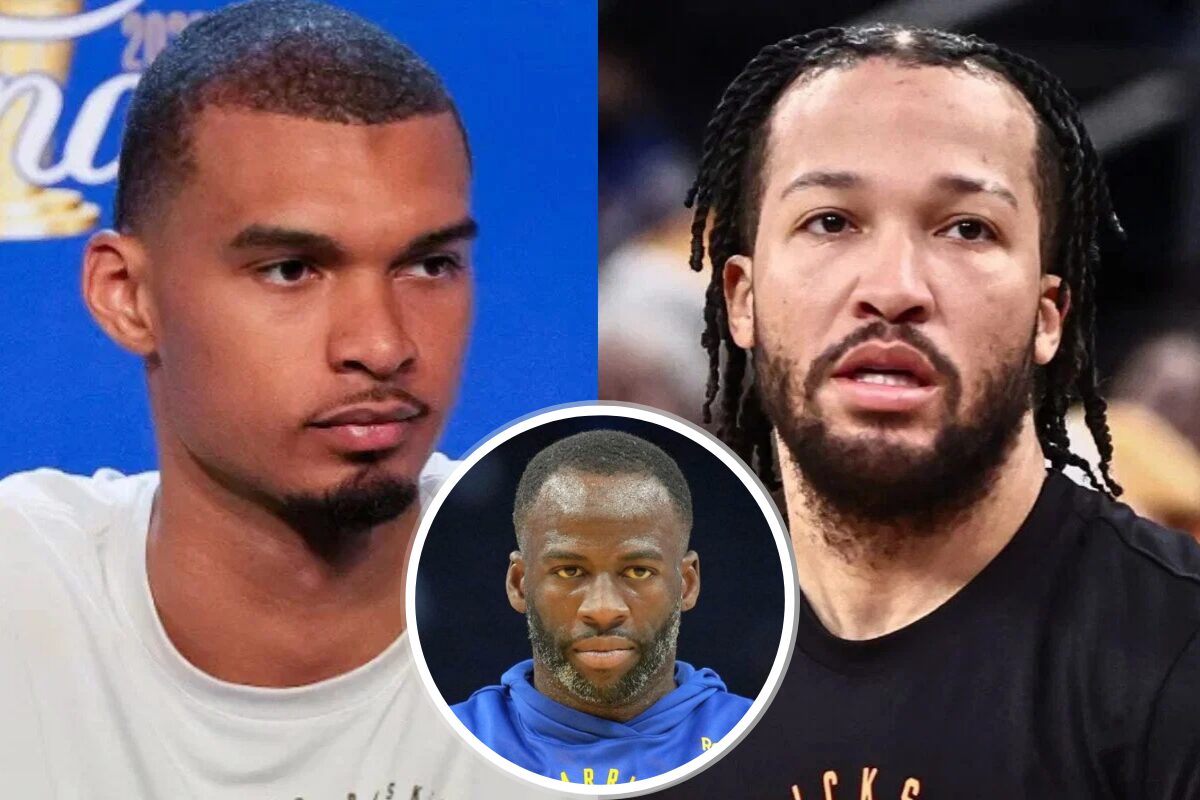
Essentials Inside The Story
- One silent walk-off reignited a debate that has lasted decades.
- Draymond Green sees a psychological battle where others see sportsmanship.
- A former NBA champion offers a very different perspective.
In May 1991, the Detroit Pistons walked off the floor with seven seconds still remaining on the clock. Rather than staying for the final buzzer and congratulating the Chicago Bulls, Isiah Thomas and several members of the “Bad Boys” dynasty headed straight for the locker room, creating one of the most debated moments in NBA history.
Watch What’s Trending Now!
More than three decades later, Thomas admitted he had “paid a heavy price” for that decision. The fallout followed him for years and became part of a larger conversation about sportsmanship, rivalry and what athletes owe opponents after devastating defeats. That debate resurfaced after Victor Wembanyama bypassed the traditional handshake line following the San Antonio Spurs’ Game 5 Finals loss to Jalen Brunson and the New York Knicks.
On the latest episode of The Draymond Green Show, the four-time NBA champion delivered a blunt verdict on the decision. “If you leave, I own you,” Green said (5:10). “I own you because you’re afraid. You look me in my eyes for five games, six games, seven games straight. And then once you realize — damn, you couldn’t beat me, you ran off. You couldn’t even look me in my eyes anymore. I own you.”
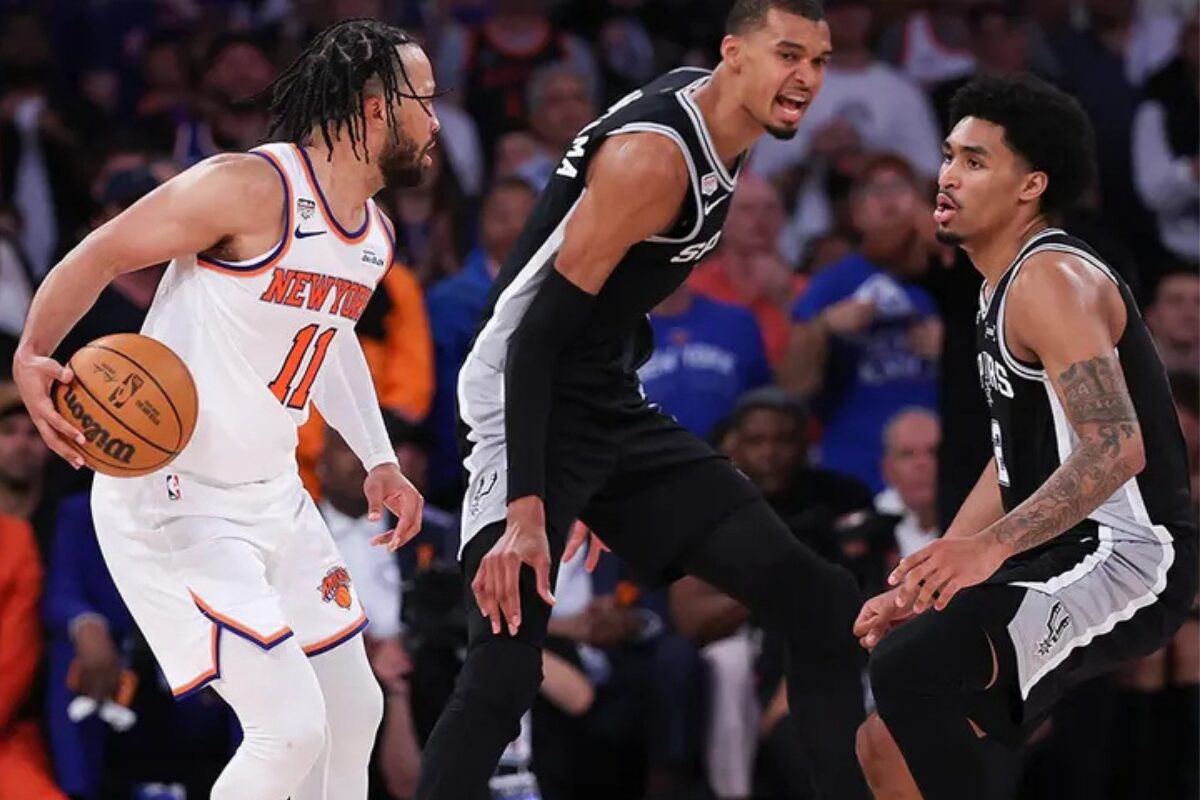
Green’s criticism stemmed from what cameras captured immediately after the final buzzer. While Brunson walked toward the Spurs bench and shook the hand of head coach Mitch Johnson, Wembanyama untucked his jersey and headed directly toward the tunnel, with several Spurs players following him off the floor.
The four-time champion added, “When you run off the court, it exposes a certain character when you can’t look your killer in his eyes. Because what if you run into that killer again? What if you run into him again? That’s front-runner behavior. That’s what it says to me. When we were playing the Clippers all those years, we always thought we owned them because we thought they had front-runner behavior. When we were playing the Rockets, we thought we owned them because we thought they had front-runner behavior.”
San Antonio led by double digits in every single game of the Finals, by 14 in Game 1, 12 in Game 2, 12 in Game 3, 29 in Game 4, and 16 in Game 5, yet lost the series 4-1, with the Knicks reportedly holding the lead for only 24% of total minutes played across the five games.
The walk-off quickly became a talking point because of how the series unfolded. San Antonio held double-digit leads in all five Finals games and led for roughly 72% of the total minutes played across the series, yet still lost 4-1. The collapse was most visible in Game 4, when the Spurs squandered a 29-point lead, the largest comeback in NBA Finals history.
The scrutiny also arrived against the backdrop of an increasingly physical series. Wembanyama drew criticism for a hard foul on Brunson earlier in the Finals and was involved in multiple heated exchanges with Knicks players as tensions rose throughout the matchup.
Wembanyama’s Perspective and the Other Side of the Debate
Wembanyama did not directly address the handshake controversy after Game 5, but his comments throughout the postseason offered insight into how he views emotional expression. Earlier this year, he told French reporter Maxime Aubin, “I refuse to carry the burden of having to hide my emotions.”
That mindset was evident after the Finals loss as well. A visibly frustrated Wembanyama told reporters he was “pissed” about the possibility that it could take another 100 games before the Spurs earn another opportunity to reach the Finals, later calling the defeat “the biggest lesson of my life.”
Not everyone agrees with Green’s interpretation. Seven-time NBA champion Robert Horry offered a different view, saying, “I just lost. I don’t want to talk right now.” Horry added that players from earlier eras routinely left the floor after painful playoff defeats and argued that modern expectations surrounding postgame handshakes have become overstated.
Imago
Credits: FOX
Whether Wembanyama’s exit reflected frustration, authenticity, or poor sportsmanship ultimately depends on the lens through which it is viewed. Green sees it as a psychological concession. Horry sees it as a natural reaction to a crushing defeat. History offers examples supporting both interpretations.
What is certain is that Wembanyama has now joined a list that includes Isiah Thomas and LeBron James, stars whose departures after painful postseason losses sparked conversations that lasted long after the final buzzer. Whether the Spurs star was expressing authentic frustration or conceding a psychological edge is ultimately open to interpretation. But Green’s message was unmistakable: when competitors meet again, memories of the series fade far more slowly than the final score.