Imago
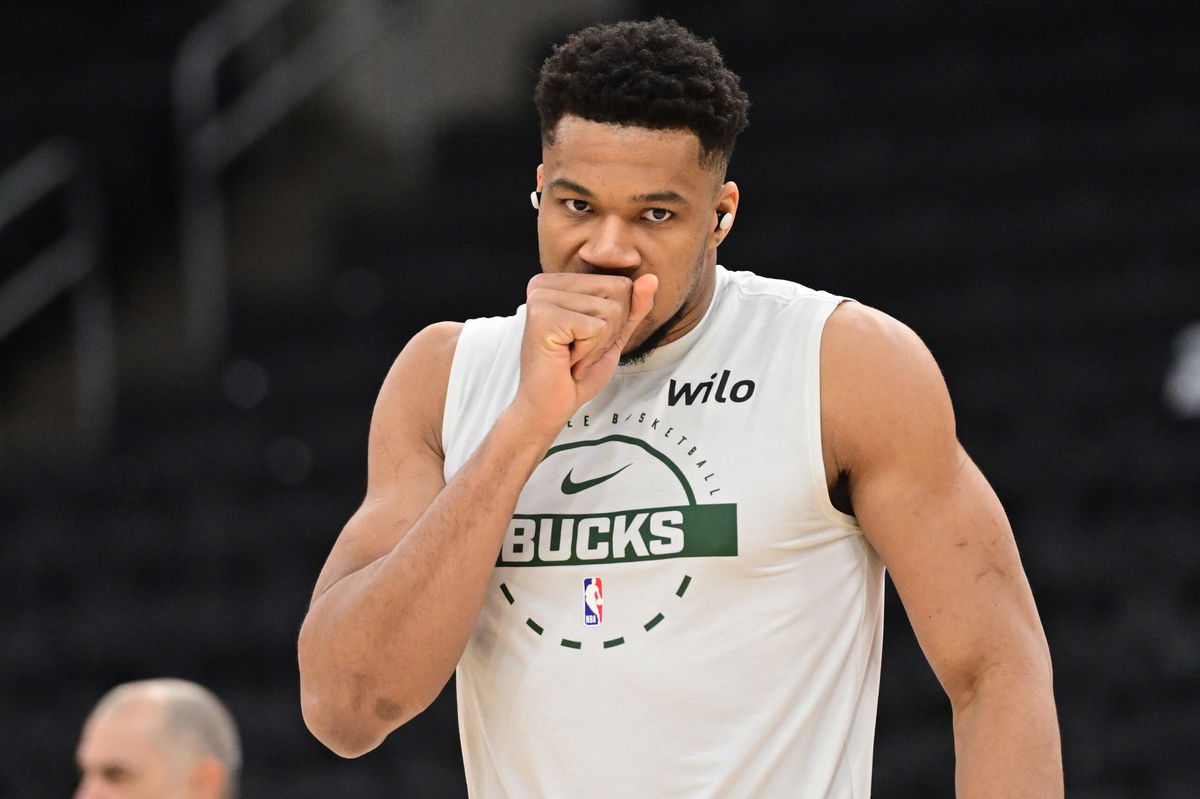
Mar 4, 2026; Milwaukee, Wisconsin, USA; Milwaukee Bucks forward Giannis Antetokounmpo (34) warms up before the game against the Atlanta Hawks at Fiserv Forum. Mandatory Credit: Benny Sieu-Imagn Images
Imago
Mar 4, 2026; Milwaukee, Wisconsin, USA; Milwaukee Bucks forward Giannis Antetokounmpo (34) warms up before the game against the Atlanta Hawks at Fiserv Forum. Mandatory Credit: Benny Sieu-Imagn Images
The Milwaukee Bucks are no longer fighting for a playoff spot. They are fighting themselves. As the season slips further out of reach, a new conflict has taken center stage inside the organization. This time, it is not about schemes, rotations, or roster gaps. It is about control. The Bucks want Giannis Antetokounmpo to shut it down. Giannis wants to keep playing.


That disagreement has now escalated into something far more serious than a late-season precaution. League sources confirm the franchise has formally pushed for Antetokounmpo to sit out the final stretch of the season, prioritizing long-term health and draft positioning. Giannis has rejected that idea outright, making it clear he is not ready to walk away from the season.
Watch What’s Trending Now!
The trigger came after his left knee hyperextension against the Indiana Pacers. While the MRI showed no structural damage, head coach Doc Rivers admitted uncertainty around what comes next. “The good news was it was a really good image, so there was no damage. Nothing.” That should have settled things. Instead, it made the disagreement louder.
Imago
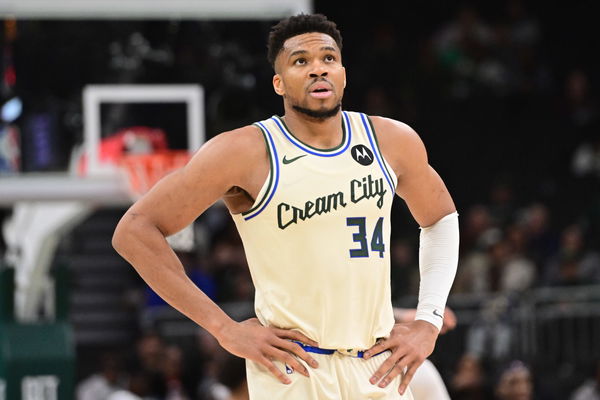
Mar 4, 2026; Milwaukee, Wisconsin, USA; Milwaukee Bucks forward Giannis Antetokounmpo (34) looks on in the fourth quarter against the Atlanta Hawks at Fiserv Forum. Mandatory Credit: Benny Sieu-Imagn Images
From the organization’s perspective, the logic is simple. Milwaukee sits at 28-40, 11th in the East, and 6.5 games out of the Play-In. The margin is gone. The upside of playing Giannis is minimal. The downside is catastrophic.
He has already missed 32 games this season. Calf issues, ankle problems, groin concerns, and now a knee scare have piled up. Even without ligament damage, a bone bruise combined with hyperextension creates a vulnerable joint. One wrong step could shift this from precaution to disaster.
That is the front office view. Protect the asset. Preserve the future. Giannis sees it differently. For him, sitting is not strategy. It is surrender. This is where the conflict stops being medical and becomes philosophical. The franchise is quietly pivoting toward preservation. The player is still operating in win-now mode.
Doc Rivers, caught in the middle, acknowledged the tension without offering clarity. “That’s a good question. I don’t have the answer, but it’s a very good question.” That answer, or lack of one, says everything. The organization and its superstar are no longer aligned on the most basic question. Should they compete or should they retreat?
This is not the first time a star has resisted a shutdown. Around the league, similar situations have played out when seasons collapse early. Anthony Davis pushed back against a late-season shutdown push in Dallas. LeBron James dealt with similar debates during the Lakers’ 2019 slide.
The pattern is consistent. Front offices think in timelines. Superstars think in identity. Giannis has built his career on playing through adversity. From his 2021 playoff run to repeated injury returns, his approach has never changed. Sitting out healthy games, especially when cleared structurally, goes against everything he represents.
However, Milwaukee is no longer operating in that same emotional space. Their decisions are now shaped by roster limitations, financial constraints, and long-term uncertainty.
The failed roster construction has only amplified this divide. The Damian Lillard waive-and-stretch move left the franchise with historic dead cap. The Myles Turner acquisition has not delivered expected returns. Meanwhile, younger players like Ryan Rollins are developing on a completely different timeline than a 31-year-old superstar chasing another title.
Because of that, the shutdown request is not just about health. It is an indirect admission that the season is over and the direction is shifting. Giannis rejecting it is equally significant. It is a rejection of that shift.
Is the Giannis era coming to an end?
This is where the situation directly connects. An “inevitable trade” does not require an official report stating a deal is done. It requires a breakdown in alignment. That breakdown is now visible. When a franchise and its best player disagree on whether to compete, the partnership is already under strain. When that disagreement becomes public and persistent, history shows what comes next.
The offseason pressure points are already in place. Giannis becomes extension-eligible in October 2026. If he hesitates or declines, Milwaukee cannot afford to wait. They would be forced into trade discussions to avoid losing him for nothing. At the same time, teams like the Lakers are positioning themselves for a potential pursuit. Cap flexibility, draft capital, and timing all line up. Other teams are watching closely as well.
This is not speculation without structure. It is a pattern with precedent, timing, and incentives all pointing in the same direction. The current standoff accelerates that timeline. If Milwaukee forces a shutdown, they risk alienating him. If they allow him to play and something goes wrong, they risk losing value. Either path increases pressure heading into the summer.
Imago
Giannis Antetokounmpo
The Bucks wanted this to be a controlled decision. Instead, it has become a defining moment. They are trying to protect the future. Giannis is trying to preserve the present. Both positions are rational. Both cannot coexist long term. This is why the situation matters beyond the remaining games. It signals a shift in priorities, a fracture in alignment, and a growing sense that the current version of this partnership is reaching its limits.
Milwaukee is no longer just managing an injury. They are managing a relationship that is starting to pull in opposite directions. And once that happens, history rarely offers a quiet resolution. The final 14 games may not decide the season. But they might decide everything that comes after.