
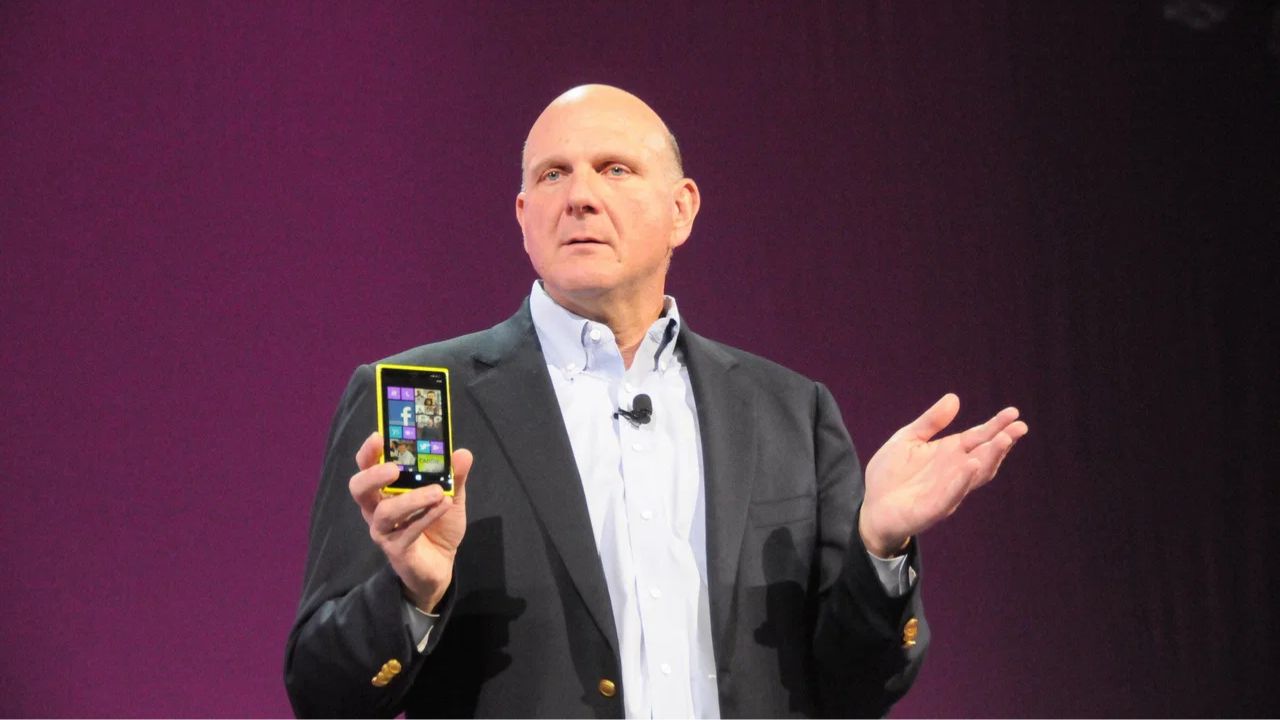
Just 10 days before Steve Ballmer accepted the NBA’s punishment, his lawyer was calling the league’s investigation a ‘witch hunt.’ The Clippers had vowed to fight the league’s findings “through every avenue available,” with the team publicly branding the probe “a heavily biased investigation.” That posture lasted less than two weeks. On Sunday, Ballmer released a statement accepting a $30 million fine, a year-long suspension, and the forfeiture of five first-round draft picks, apologizing to fans, employees, and his “fellow NBA team owners” for the “distraction and distress” the saga had caused. And hence two analysts wasted no time pointing out how fast the bravado had evaporated.
Watch What’s Trending Now!
On the Locked On Lakers podcast, co-hosts Andy and Brian Kamenetzky spoke about why they think Ballmer caved.
“They did note they still have some disagreements, but they don’t want it to be a distraction,” Andy said. “Well, the reason… they don’t have that many disagreements with what was found in the report. I believe the legal term is guilty as bleep, and that’s why really at the end of the day they’re standing down.”
All this began in September 2025, when journalist Pablo Torre reported that Leonard had a $28 million “no-show” endorsement deal with Aspiration, a sustainability company Ballmer had invested $50 million into. The Clippers initially dismissed the claim, insisting “neither the Clippers nor Steve Ballmer circumvented the salary cap.”
The NBA then hired the law firm Wachtell, Lipton, Rosen & Katz and spent nearly a year investigating. On September 2, the league announced an unprecedented punishment: the Clippers will forfeit first-round picks from 2029 through 2033, along with a 2029 first-round pick they had acquired from Indiana, pay the $30 million fine, and Ballmer is suspended from all team and league activity for a year without pay. Leonard was fined $700,000, executives Lawrence Frank and Gillian Zucker were suspended for six and twelve months, respectively, and the ruling cleared a major obstacle to Leonard’s trade to the Toronto Raptors that had been agreed to in June and and placed on hold on July 9 while the NBA’s investigation was pending.
“Steve Ballmer’s got way bigger problems right now than trying to put out a restraining order against the NBA,” Andy further argued, pointing to the federal scrutiny now surrounding the Clippers’ dealings with Leonard and the companies involved in the saga.
Aspiration’s co-founder, Joseph Sanberg, was sentenced earlier this year to 14 years in prison for defrauding investors and lenders of more than $248 million. This has also drawn scrutiny beyond the NBA. The SEC has sought information related to transactions involving Leonard and Clippers business partners, while the Justice Department is now investigating the Clippers’ dealings with Leonard. Picking a fight with commissioner Adam Silver, in other words, was a luxury Ballmer’s legal team could no longer justify with regulators and prosecutors already circling.
Brian Kamenetzky added another point, saying cooperation, not confrontation, is usually what gets penalties softened later. He pointed to the Minnesota Timberwolves’ 2000 cap-circumvention case involving Joe Smith, noting the Wolves “did eventually get some of their draft capital back” after choosing not to sue the league. Suing the NBA, he said, “doesn’t feel cooperative”.
Brian added that dragging out a legal battle would only delay the team’s inevitable rebuilding process under severe structural penalties.
“Better to start now and not fight a stupid fight you’re not going to win anyway,” Brian emphasized, noting that losing five first-round picks crippled the franchise during a rebuilding window. “The league made the point it wanted to make, which was to try to discourage us… there’s going to be shady stuff that happens or always has been there always will be, but it won’t be quite as directed, at least you have some sense of governance and vigilance coming from up top.”
By standing down, Ballmer avoids a public showdown with the Board of Governors. His immediate focus during the year-long suspension will likely be his legal defense in the ongoing federal inquiries.