
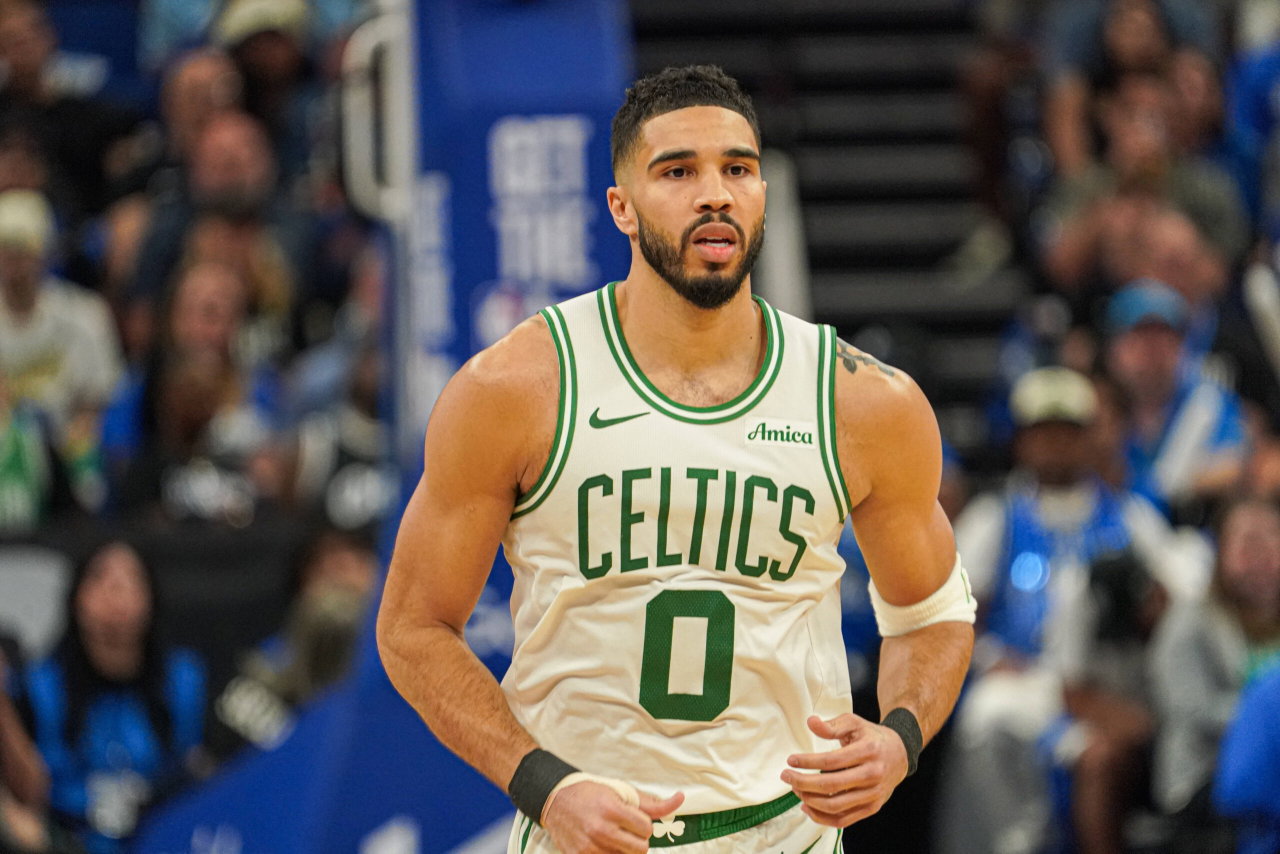
When the Celtics traded Jaylen Brown to Philadelphia, speculation about his relationship with Jayson Tatum quickly followed. The two stars had spent years helping Boston reach multiple NBA Finals and capture a championship, making the split all the more surprising.
Watch What’s Trending Now!
As questions swirled about whether Tatum could have done more to prevent the move, a past conversation resurfaced that shed light on one thing Tatum reportedly wishes he had handled differently. Speaking with former Celtic Evan Turner on Sports Illustrated, NBA analyst Chris Mannix recalled a conversation he had with Tatum shortly after Boston’s 2024 championship run.
“He said that to me, you know, in 2024 after they won a championship. I was talking to him in depth about the relationship with Brown. And he did say to me that he wished that he had been more publicly vocal about supporting Jaylen during the trade talks over the years,” Mannix said.
Brown’s name had surfaced in trade discussions for years, including rumors involving stars such as Anthony Davis, Kevin Durant, and most recently Giannis Antetokounmpo.
Mannix said people close to Tatum consistently maintained that he supported Brown behind the scenes and repeatedly communicated to the organization that the Celtics were better with Brown on the roster.
“Like maybe he supported behind the scenes, and people close to Tatum have insisted that behind the scenes he has told the Celtics over the years that this team was better with Jaylen Brown on it, but publicly he hasn’t been as vocal. He did tell me he regretted that back in 2024.”
That account gained additional relevance after Stephen A. Smith argued that a player of Tatum’s stature could have potentially influenced the organization’s decision-making process.
After Brown’s departure, rumors of tension between the two stars spread rapidly online.
Tatum publicly denied any bad blood, while Brown’s now-famous response only fueled further speculation.
“There’s no beef. There might be a little lamb chops and some gravy.”
Turner, however, rejected the idea that the relationship was ever dysfunctional.
“The thing of them saying they were never really friends is crazy because I know for sure they had the utmost respect for each other.”
Turner explained that his perspective came from firsthand experience inside the organization. Although he never played alongside both stars simultaneously, he served as a Celtics assistant coach during the 2020-21 season and observed their interactions daily.
According to Turner, Tatum never spoke negatively about Brown.
“Like when, at least when I was around, when you walk in, when they look around, I’ve watched JT walk up to JB and shake his hand.”
Turner added that if Tatum had a weakness, it was not hostility but his tendency to stay out of public drama.
According to Turner, Tatum’s biggest flaw was minding “his business too much.”
One reason the discussion has persisted is because of how Brown reacted after the trade became official.
Tatum publicly claimed he did not know the move was coming and appeared stunned when speaking about it. Brown later responded with a “cap” emoji beneath a video of Tatum’s comments, leading many fans to believe Brown was questioning the sincerity of that reaction.
Mannix suggested Brown may have believed Tatum had enough influence within the organization to stop the deal.
Turner saw the situation differently.
In his view, Tatum’s surprise was genuine, particularly because Boston moved a longtime franchise cornerstone and received Paul George in return.
“Paul George is balling but it’s like we ain’t really s**t get for him like at all. Like I’m sure Tatum was like man we heard about Giannis and then what comes back?” Turner said.
Turner also pointed to the realities of the modern salary cap, arguing that keeping two max-level stars while continuing to build depth has become increasingly difficult.
Rather than viewing the trade through the lens of personal conflict, Turner suggested the move was more likely driven by financial realities and roster construction. From his perspective, the story was never about beef between Tatum and Brown. It was about a difficult business decision that ultimately separated two championship teammates.