Imago
Credits: Imagn
Imago
Credits: Imagn
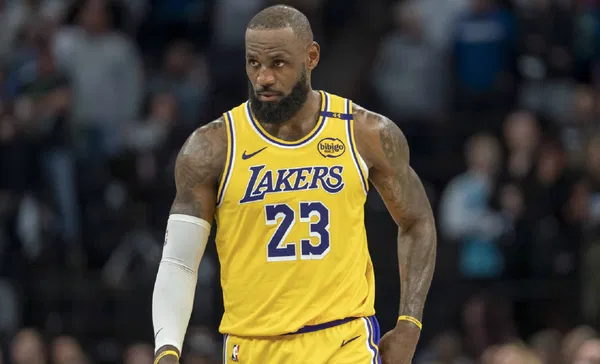
LeBron James rarely draws attention for the wrong reason. Even at 41, his mistakes are usually overshadowed by control, efficiency, and late-game composure. Friday night felt different.
Watch What’s Trending Now!
Because in the middle of a narrow 125-122 Lakers win over the Clippers, one of the most reliable finishers in basketball suddenly looked human. Minutes later, head coach JJ Redick stepped to the podium and immediately provided an explanation. “He fought through a lot today. The knee soreness, he probably doesn’t want me to share, but he was dealing with a migraine as well pregame. He rings the bell over and over. It’s what he does.”
The timing mattered. The explanation came right after an uncharacteristic sequence from James that quickly became the talking point of the game.
Top Stories





JJ Redick on Lebron: “He fought through a lot today. The knee soreness, he probably doesn’t want me to share but he was dealing with a migraine as well pregame. He rings the bell over and over. It’s what he does” pic.twitter.com/HOhRC0dj44
— Oh No He Didn’t (@ohnohedidnt24) February 21, 2026
Late in the fourth quarter, with 2:46 remaining, James attacked the rim and airballed a layup. Not blocked. Not altered. Completely missed. For a player defined by precision at the basket, it stood out immediately.
Then another scare followed. With the Lakers leading 125-122 in the final seconds, James turned the ball over on the inbound pass. Nicolas Batum stole it and had a clean three to force overtime but missed. Los Angeles escaped.
Because of that sequence, Redick’s postgame comments felt less like routine praise and more like context control. He pointed directly to physical limitations before criticism could form.
The health issues were real. James entered the night listed as doubtful with knee soreness, and ESPN’s Dave McMenamin reported his status was uncertain despite the All-Star break rest.
James later confirmed how the injury happened. “I mean, it happened at practice yesterday during our scrimmage. Went up for a dunk, came down pretty good, but a couple of minutes into the scrimmage after that, it started getting a little sore and started getting a little tight. And yeah, that’s what happened.”
Why Redick addressed it immediately
The performance itself was solid. James finished with 13 points, 3 rebounds and 11 assists and scored seven in the first quarter. However, the visual memory of the night was different.
Los Angeles struggled defensively and needed execution late. Instead, the closing moments nearly flipped the result. That is precisely when narratives begin forming around aging stars. Because of that risk, the explanation mattered. Redick framed the game as endurance rather than decline.
This season already provided context. James previously missed 14 straight games with sciatica, and at 41, recovery volatility is expected. The migraine before tipoff added another layer. The airball now fits a physical explanation rather than a skill regression.
The Lakers won. That remains the primary outcome. Still, the reaction revealed something important about this stage of James’ career. His production remains elite, yet every visible mistake now triggers durability questions first and performance questions second.
Redick understood that immediately. By addressing the knee soreness and migraine right away, he shifted the postgame conversation from ability to availability.
The next stretch of games will determine whether Friday was a one-off physical night or a recurring management issue. Either way, the priority is clear for Los Angeles going forward.
Protect the minutes, protect the health, and keep the results. Because the margin between dominance and scrutiny has never been thinner.