Imago
unlicensed image
Imago
unlicensed image
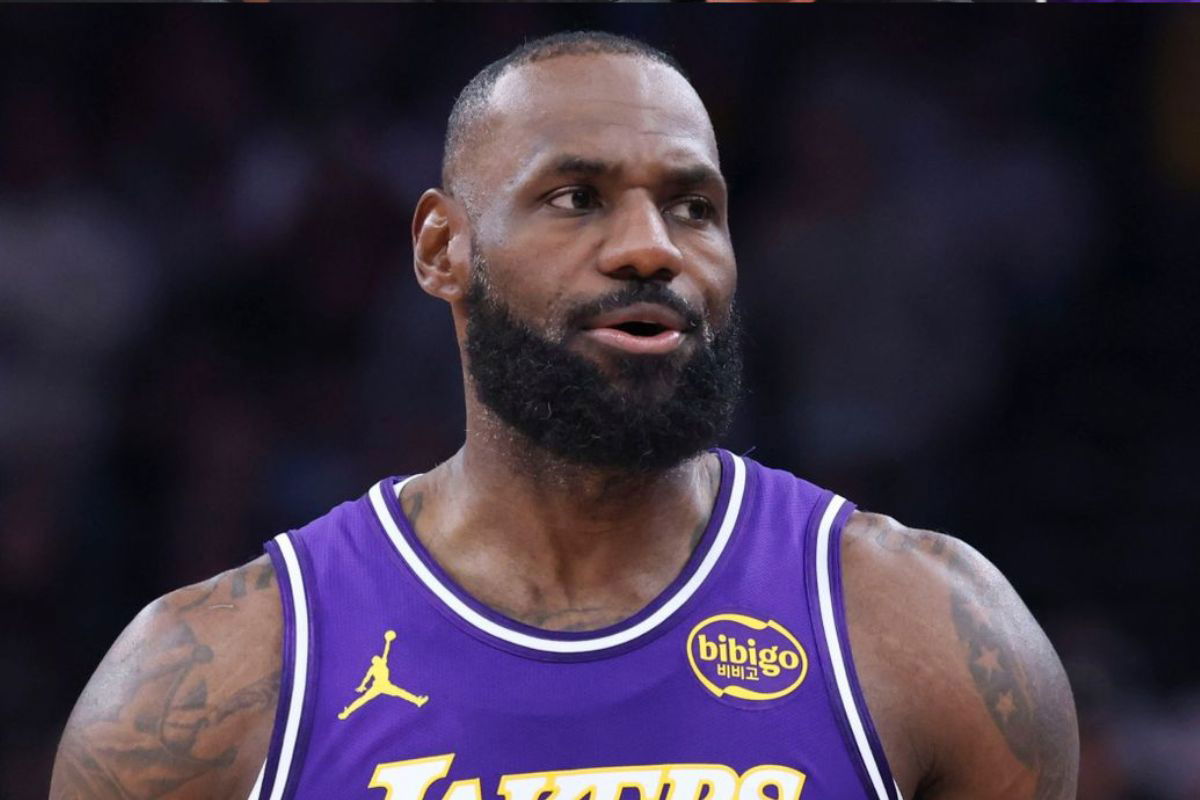
The trade deadline is also the time for everyone’s favorite annual sport: Will LeBron James get traded? The speculative fever surrounding his tenure with the Los Angeles Lakers has peaked, fueled by Charles Barkley’s declaration that this could be James’ final deadline or even final season in purple and gold. Cleveland left the door ajar. Rumors spiraled. But the Clippers’ crosstown rivals quietly delivered the conclusion to this season’s Bron Tradewatch.


League sources confirmed the answer fans love to hate: the NBA’s all-time leading scorer will finish the 2025–26 season exactly where he started, with the Los Angeles Lakers. Despite late-cycle buzz tying James to the Warriors or a Cavaliers reunion, both his camp and the Lakers are committed to his no-trade clause, keeping him alongside Austin Reaves and Luka Doncic.
Watch What’s Trending Now!
Perfect timing too. His teammate, Austin Reaves is back today. His return from the calf injury gave the Lakers the resurgence they so needed to get a 125-109 win over the Nets. With the Lakers’ offense whole again, they could make another bid for playoff contention again.
This decision comes as the Lakers sit at 30-19, firmly in fifth place in the Western Conference standings—nine games behind the top-seeded Oklahoma City Thunder but well within playoff positioning. With a 6-4 record over their last 10 games and momentum from Austin Reaves’ return, the front office appears committed to continuity for a legitimate postseason run.
James has no intention of joining a new team before the current campaign concludes. Most think this is a subtle message to the Lakers’ front office, too, which has been dealing with internal drama since the $10 billion sale in June.
LeBron James is expected to finish out the season with the Lakers, league sources told @mcten on Tuesday.
James will not be joining a new team before this season is over. pic.twitter.com/v9qYOUwMPO
— NBA on ESPN (@ESPNNBA) February 4, 2026
The internal drama partly stems from the Buss family’s $10 billion sale of a majority stake to Mark Walter in June 2025 (finalized in October 2025), which ended the Buss family’s controlling stake after more than four decades.
The deal stemmed from long-standing family infighting and was approved unanimously by the NBA. Jeanie Buss remains governor and oversees basketball operations, while Walter — known for his win-focused approach with the Dodgers — has not publicly signaled any shift away from LeBron James.
The speculation was amplified by a January 21, 2026, ESPN feature from Baxter Holmes detailing Buss family infighting that led to the $10 billion sale. While primarily focused on family dynamics, the report cited sources claiming Jeanie Buss had grown frustrated with LeBron James’ influence via Klutch Sports, his perceived lack of accountability after the Russell Westbrook trade, and his ‘outsized ego.’
It alleged she privately considered not extending his deal or even trading him (floating the Clippers as a possibility) in 2022, and begrudgingly approved his 2024 extension. Buss quickly pushed back, telling The Athletic it was unfair to drag James into family matters given his contributions to the franchise.
James, meanwhile, dismissed the report after a recent game, saying he ‘doesn’t care’ about such articles at this stage of his career.
At 30-19 and fifth in the West, the Lakers are in striking distance of higher seeds but remain vulnerable to inconsistency. The bigger questions loom in the offseason, when James’ $52.6 million expiring contract comes off the books. That massive cap relief could open the door to roster retooling—whether through free agency, extensions for young core pieces like Reaves, or an aggressive pursuit of new talent—while the Lakers decide on LeBron’s future (a return at a lower salary, retirement, or elsewhere).
For now, though, the front office’s decision to honor his wishes and keep the band together signals confidence in this group’s ceiling as currently constructed.
On the other side of Los Angeles, the Clippers’ handling of James Harden unfolded in stark contrast. After failing to agree on a long-term contract extension (Harden reportedly sought a two-year, roughly $80 million guaranteed deal), tensions escalated quickly. Harden demanded a trade, and the move was finalized abruptly on February 3, 2026: the Clippers sent the 11-time All-Star to the Cleveland Cavaliers in exchange for guard Darius Garland (a 26-year-old two-time All-Star) and a second-round pick.
The deal came with little public buildup, catching many observers by surprise despite weeks of behind-the-scenes discussions. It gave Cleveland a proven, high-IQ scorer to pair with Donovan Mitchell in their Eastern Conference push, while the Clippers gained youth, future control, and a new engine in Garland.
Harden’s trade naturally sparked fresh speculation about LeBron: Could the Clippers’ willingness to move on from a star in his mid-30s signal a similar path for the Lakers? Would James consider waiving his no-trade clause to chase a title elsewhere (e.g., Cleveland, New York, or Golden State)?
LeBron Stays: Lakers Choose Stability Over Deadline Drama to Fuel Playoff Push
The annual LeBron-to-Cleveland-or-Golden-State trade deadline soap opera reached its predictable conclusion: he isn’t going anywhere. James has no intention of waiving his no-trade clause, and the Lakers have shown zero public appetite to force the issue.
At 30-19 and holding the fifth seed in the West, the team is positioned for a legitimate postseason push rather than a fire sale. LeBron’s production, 22 ppg, 5.7 rpg and 6.6 apg and his ability to dictate pace and matchups remain central to JJ Redick’s system, especially now that Austin Reaves has returned and defensive communication has shown incremental improvement.
The Lakers are one of the few teams in the league that can realistically contend this year while also possessing enormous cap flexibility next summer when James’ $52.6 million deal comes off the books. Keeping him now maximizes playoff upside in 2026 without burning future assets or goodwill. The front office is essentially playing both the short game (title contention window) and the long game (cap reset) simultaneously.