Imago
unlicensed image
Imago
unlicensed image
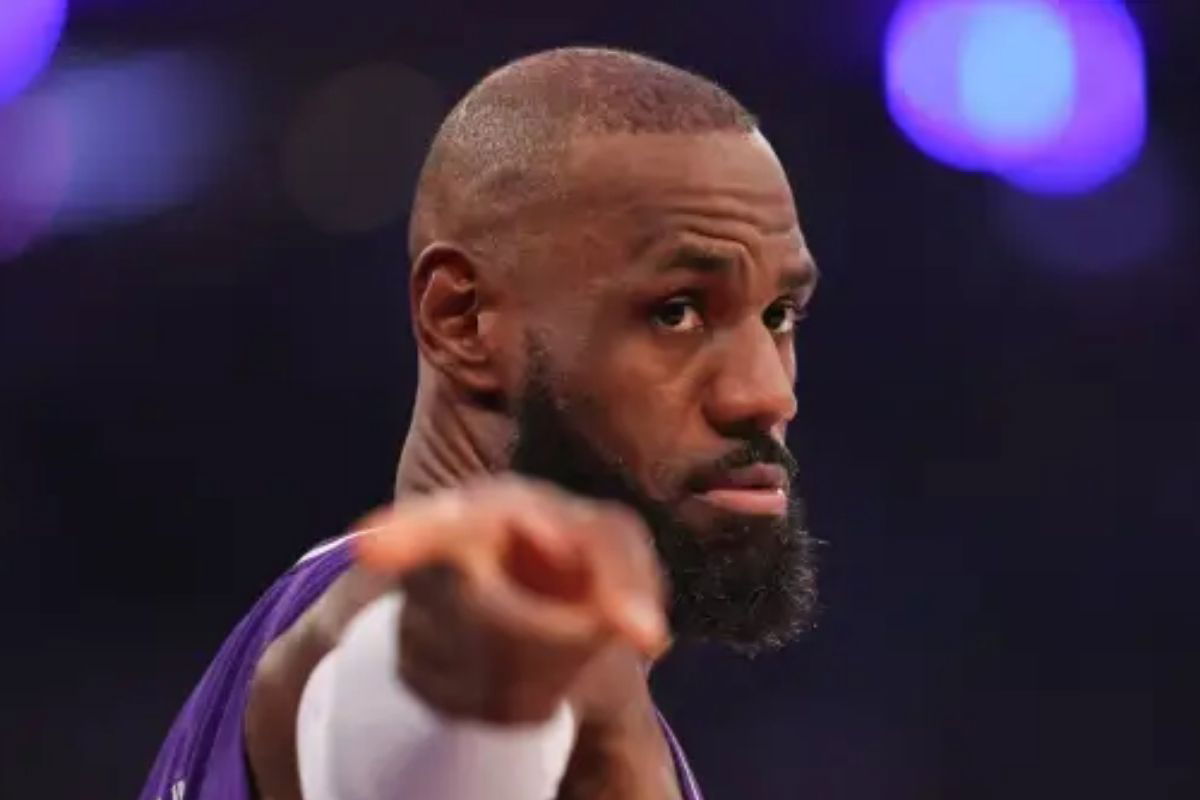
There are Lakers debates that never cool off. This one reignited instantly, and it came from inside the house. In a recent episode of Fast Break, Byron Scott revealed his all-time Los Angeles Lakers starting five. The omission drew immediate attention. LeBron James, despite delivering a championship in 2020, did not make the cut.


That exclusion was not accidental. It was deliberate, positional, and tied to a blunt confession Scott made while revisiting one of the most controversial moments of LeBron’s career. Scott’s list began predictably. At point guard, Magic Johnson. On the wing, Kobe Bryant. Anchoring the middle, Kareem Abdul-Jabbar.
Watch What’s Trending Now!
The trouble started when Scott explained his positional logic. Kareem, in Scott’s view, ranks above both Wilt Chamberlain and Shaquille O’Neal at center. That forced a decision elsewhere in the lineup. “And then I got to find a power forward. So I’m going to put Shaq at power forward. And then I’m going to come in with James Worthy at that three spot.” That single choice shut the door on LeBron.
James has spent extended stretches at power forward during his Lakers tenure. Still, Scott valued Shaq’s interior dominance over LeBron’s versatility. In a franchise where positional impact carries historical weight, Scott leaned toward force over flexibility.

Imago
Mar 8, 2025; Boston, Massachusetts, USA; Los Angeles Lakers forward LeBron James (23) reacts after a non-call against the Boston Celtics during the second quarter at the TD Garden. Mandatory Credit: Brian Fluharty-Imagn Images
From a Lakers-only perspective, Scott’s reasoning follows a clear pattern. O’Neal’s run in Los Angeles produced 27.0 points, 11.8 rebounds, and 3.1 assists per game on roughly 58 percent shooting across 514 games from 1996 to 2004. More importantly, it delivered three straight championships and three Finals MVPs. During that stretch, Shaq routinely controlled playoff series with 33 to 36 points and more than 15 rebounds per night at his peak.
LeBron’s Lakers numbers remain elite. Since arriving in 2018, he has averaged roughly 26 points, nearly eight rebounds, and eight assists per game while shooting just over 50 percent. He also led the franchise to the 2020 title with a dominant Finals performance.
However, Scott’s list was not about all-around influence. It was about positional dominance in Lakers history. In that framework, Shaq’s physical control of games outweighed LeBron’s perimeter-driven impact.
Scott’s Harsh LeBron Confession
Scott’s evaluation of LeBron did not stop at basketball fit. It came alongside a revealing story from 2010 that underscored how Scott views James’ career decisions. When Scott took over as head coach of the Cleveland Cavaliers on July 1, 2010, he immediately heard whispers that LeBron was leaving town. During an internal meeting, Scott recalled the Cavaliers’ confidence was misplaced.
“We had a meeting, and my General Manager said, ‘Oh, he ain’t leaving, he ain’t got the b—- to leave.’” Scott did not buy it. Instead, he called Chris Paul, whom he previously coached in New Orleans. “He said, ‘Coach, let me call you back.’ He called me back within 10 minutes and said, ‘Oh, he’s gone, coach.’”
Scott returned to the meeting and warned then-GM Chris Grant that the Miami Heat were preparing a move for LeBron. The warning was dismissed. Scott believes the plan had been forming for years. “I think this was being put together when they were at the Olympics.”
The “they” was clear. LeBron, Dwyane Wade, and Chris Bosh. Two years later, that vision became the Heat’s Big Three.
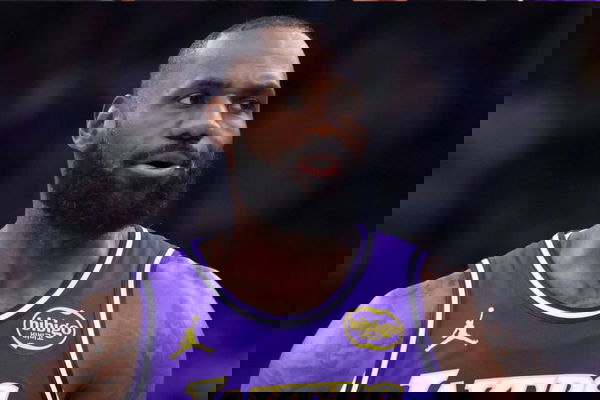
Scott has never denied LeBron’s greatness. The snub was not personal. It was contextual. For Scott, Lakers history is about sustained dominance within clearly defined roles. Shaq owned the paint. Kareem defined the center position. Magic and Kobe shaped eras. LeBron delivered a title, but his Lakers chapter competes with giants who built dynasties.
That distinction explains why James can be a consensus top-five player in NBA history and still miss a Lakers-only top five. In a franchise where legacy is measured in eras, not moments, Scott made his stance clear. LeBron belongs in the conversation. He just does not own the position in Lakers history the way others did.