
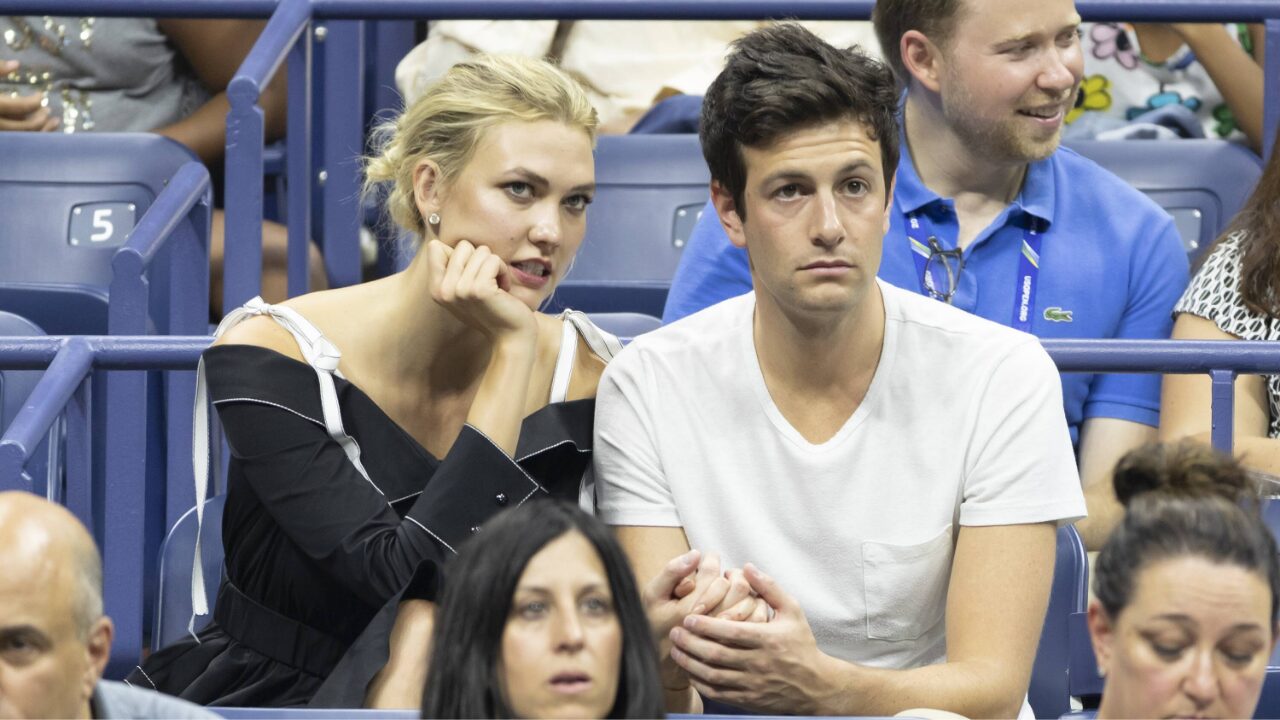
Roughly nine months ago, the NBA Board of Governors officially approved Mark Walter’s acquisition of the Los Angeles Lakers. And now the franchise is entering another new era, but not everyone is convinced of the latest ownership change. Josh Kushner, who is set to become part of the ownership group alongside former Disney CEO Bob Iger, is facing questions despite the record-setting $12.5 billion purchase.
Watch What’s Trending Now!
“I understand where the fans are concerned about it for someone who is a complete outsider. As far as, like, for the time being, in Kushner, the main money guy who has no connection, real connection to this city, and has no proven track record in sports, seems to just want to acquire things in sports,” said Kamenetzky on Locked on Lakers. “As we saw in the essentially failed takeover of FIFA to turn it into the type of business model that the entire world rejected.
“And that he had actually want originally, they had been looking to purchase just an expansion team, and then it turned into the Lakers.”
The FIFA controversy became a major talking point in late July. FIFA had proposed creating FIFA Forward Enterprise, a subsidiary that would consolidate commercial rights and tournament operations, including broadcasting, sponsorship, licensing, ticketing and hospitality. The organization explored selling a 20 percent stake to private investors at a valuation of roughly $20 billion, with Josh Kushner’s investment firm Thrive Eternal positioned to lead the investor group. The proposal immediately triggered a backlash.
UEFA opposed the plan, and several major soccer organizations threatened resistance. FIFA ultimately abandoned the proposal after acknowledging that it had created divisions that were no longer considered helpful to its original objective.
Interestingly, Kushner is not completely new to the NBA. He previously held a minority stake in the Memphis Grizzlies before selling that interest as he moved into the Miami Heat ownership group. He will have to sell that to take over the Lakers. The financial side of the transaction is another source of discussion.
Kushner’s estimated personal fortune of roughly $5.2 billion, combined with Iger’s estimated $700 million, is considerably below the $12.5 billion purchase price. That does not mean the pair must personally finance the entire transaction, but it does raise questions about outside capital and the investment structure supporting the acquisition.
Iger and Kushner had another option, as they could have spent nearly $10 billion on a Las Vegas expansion bid. A new stadium would have cost billions more. Instead, they turned their attention to the Lakers, one of the biggest brands in sports.
That speed may explain why the new ownership group has yet to present a detailed long-term vision for the franchise. For Lakers fans, the central issue is whether the ownership group is truly ready to commit to the Lakers beyond the business opportunity.