Imago
IMAGN
Imago
IMAGN
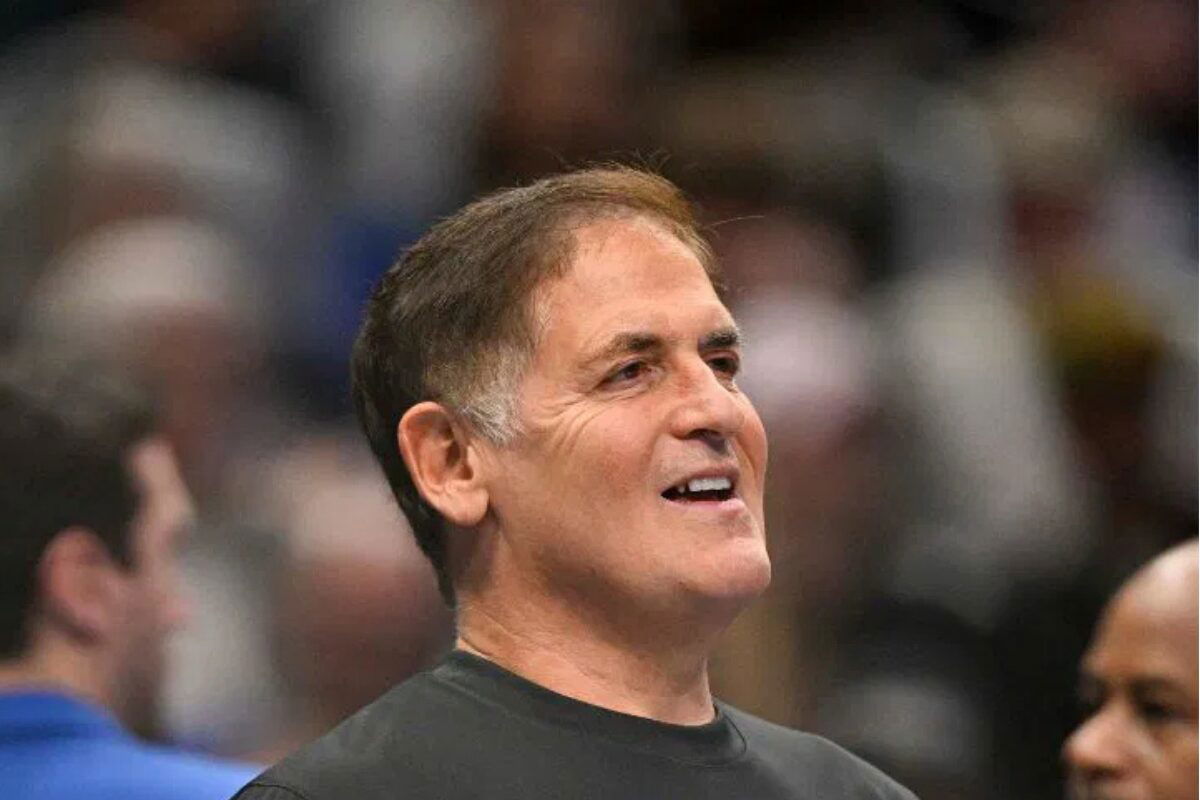
The NBA is finally cracking down on tanking, with Shams Charania reporting new measures on Friday. The problem has quietly snowballed into a league-wide crisis. Yet, while the league scrambles for fixes, voices like Bill Simmons and Mark Cuban are pushing a far more radical, and arguably smarter, solution.


After Charania’s tweet on Friday, analyst Bill Simmons gave his verdict. “0 for 3!” he said. He criticized the NBA’s anti-tanking proposals for ignoring a key root cause: the long 82-game season. He argued that reducing it to 72 games could improve competition and urgency. Instead, the league offered alternative fixes, which he found misguided, making the situation feel avoidable and frustrating.
Watch What’s Trending Now!
Adding to this, Mark Cuban tweeted, “Make the games 40 minutes. 8 x 82 / 48 =13.667. That’s the equivalent number of games you would reduce the schedule by. Without breaking arena leases.” Then he added, “Works for college. Works for international. Works for the WNBA.”
“AND. If you looking at tv and streaming ratings, the less the actual playing time for a televised game, the bigger the ratings. Ie, the less time fans have to focus on a game, the more they enjoy watching it on tv,” Cuban concluded.
Make the games 40 minutes.
8 x 82 / 48 =13.667 That’s the equivalent number of games you would reduce the schedule by. Without breaking arena leases.
Works for college. Works for international. Works for the WNBA.
AND.
If you looking at tv and streaming ratings,… https://t.co/GXWNcMtaJT
— Mark Cuban (@mcuban) March 28, 2026
The NBA is the only major league still running 48-minute games, while FIBA, the Olympics, the WNBA, and the NCAA all use 40-minute formats. The impact of that change is significant — trimming playtime by 16.7% is effectively the same as cutting nearly 14 games off an 82-game schedule, without actually touching the calendar.
Broadcast length hasn’t helped either. NBA games still average over two hours, and cutting minutes alone won’t fix that. However, it would increase the share of live action — improving flow, pacing, and overall viewing experience.
There’s also clear proof shorter formats work. Olympic, college, and WNBA games consistently fit into tighter windows while maintaining strong engagement. Even small tweaks, like the 2026 All-Star format change, boosted ratings. That matters for a league where regular-season viewership dropped 19% in early 2024, even as the 2023 playoffs averaged over 5 million viewers.
Previously, Mark Cuban had suggested that the NBA should “embrace tanking.” According to the Dallas Mavericks‘ minority owner, fans value the experience and hope for progress more than nightly victories. And tanking often becomes the fastest route to building a championship team. The NBA’s deeper issues aren’t just wins or losses—they’re affordability, access, and the overall quality of the fan experience, which shape long-term engagement far more than the standings.
The NBA’s latest ideas to stop tanking
On Friday, Shams Charania shared that the NBA unveiled three anti-tanking proposals to its Board of Governors in New York, with a formal vote set for May. All three share one goal: expanding the lottery to more teams. Beyond that, each plan charts a distinct path, offering very different approaches to curb tanking and reshape competition.
The league is shaking up the draft lottery to fight tanking. Under the first proposal, they are planning an 18-team draft lottery: 10 teams missing the play-in and eight that qualify. The bottom 10 squads each get an 8% chance to climb the lottery, while 20% spreads across the play-in teams, sliding from 11th to 18th. Meanwhile, the lottery will determine all 18 picks, removing the worst-team advantage and giving mid-tier squads a real shot, discouraging tanking and fueling fierce competition.
Now, under the second proposal, 22 teams enter the lottery: 10 missing the play-in, eight that qualify, and four first-round playoff losers. The league ranks them using a two-year record, mirroring the WNBA system. Teams must meet a minimum win cap—say 20 wins—so a 14-68 season counts as 20-62. Performance averages over two years, rewarding consistency, keeping the top-four lottery thrilling, and making tanking far harder.
Imago
Credits: Imagn
Meanwhile, the NBA’s third “5-by-5” proposal puts the spotlight on the bottom five teams, giving each identical odds for the No. 1 pick while the remaining 13 enter a separate drawing. All 18 lottery teams—10 missing the play-in and eight that qualify—compete, with a minimum 10-win floor preventing extreme tanking. Even last season’s lowest squads, like the Utah Jazz, Washington Wizards, and New Orleans Pelicans, can’t fall below 10th, keeping every game competitive and the lottery thrilling.
Cuban’s idea ultimately forces a bigger question: is the league willing to change the product itself, not just the rules around it? While lottery tweaks target the symptoms of tanking, shortening games would attack the grind that creates it. And if the NBA truly wants urgency, engagement, and meaningful competition, the answer may not lie in the draft — but in the game itself.