In Los Angeles, front-office moves rarely stay “business only.” They usually signal basketball consequences months before fans notice them on the court. That pattern showed up again this week, and it wasn’t subtle.
Watch What’s Trending Now!
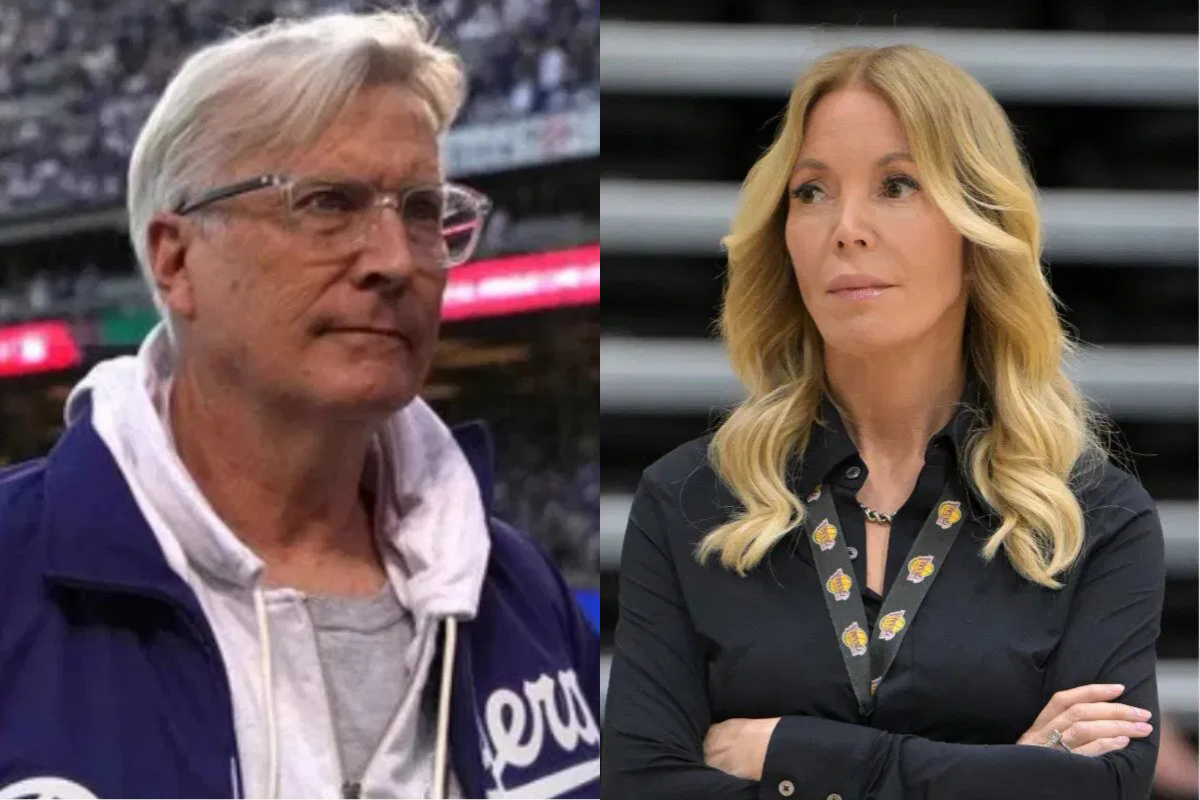
On February 19, the Los Angeles Lakers officially named Lon Rosen President of Business Operations, replacing longtime executive Tim Harris after more than three decades inside the organization. The decision came with approval from governor Jeanie Buss, but clearly aligned with the vision of majority owner Mark Walter.
Lakers announce Lon Rosen will be the President of Business Operations pic.twitter.com/NsA0KxXHge
— Trevor Lane (@TrevorLane) February 19, 2026
That distinction matters. Because this wasn’t a retirement replacement. It was a philosophical replacement. And when the Lakers change philosophy, roster strategy eventually follows.
Why Mark Walter wanted a Dodgers mind inside the Lakers
Rosen is not just another executive hire. He spent 14 years helping run the business machine behind the Los Angeles Dodgers, the most commercially dominant franchise in baseball over the last decade.
Under his leadership:
- MLB attendance leader every season since 2013
- Over 4 million fans in 2025
- More than $200 million annual sponsorship revenue
- Massive international partner expansion
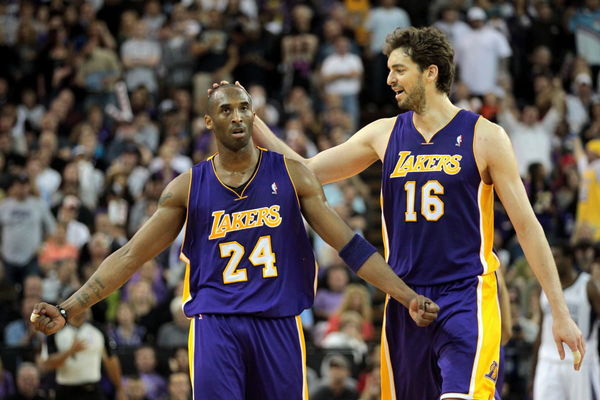
That model revolves around predictable global monetization instead of local prestige. The old Lakers model was the opposite. Tim Harris believed the brand itself sold the team. Inside the organization, the philosophy was simple: the marketing strategy was to be the Lakers. During the Kobe Bryant era, that approach worked because the team functioned as Hollywood’s basketball royalty.
USA Today via Reuters
April 13, 2011; Sacramento, CA, USA; Los Angeles Lakers guard Kobe Bryant (24) is congratulated by center Pau Gasol (16) after hitting a jump shot against the Sacramento Kings with just under two minutes remaining in overtime at the Power Balance Pavilion. The Lakers defeated the Kings 116-108. Mandatory Credit: Cary Edmondson-USA TODAY Sports
However, the modern NBA no longer runs on mystique. It runs on constant engagement, global market penetration, and year-round monetization. Walter owns Chelsea FC and an F1 team. He does not buy brands to preserve them. He buys them to scale them.
So the hire tells us the plan immediately. The Lakers are moving from legacy powerhouse to global platform.
The real meaning of removing a 30-year confidant
Harris was not a typical executive. He was part of the internal identity of the Buss era and one of Jeanie Buss’s closest long-time advisors. His influence even reached basketball decision rooms at times, creating friction during previous regimes, including Magic Johnson’s departure in 2019.
He represented continuity. Walter represents optimization. This is the cleanest signal yet that operational control has shifted from family instinct to corporate structure.
While Jeanie approved the hire and publicly praised Rosen, the more significant detail is that Walter already knew Rosen through shared Dodgers ownership. That means the reporting structure changed without the title needing to change. Jeanie remains governor. Walter now shapes the machine.
Why does this eventually affect basketball decisions
Business leadership determines competitive timelines more than coaching does. The Dodgers model operates on three principles:
- Always remain relevant internationally
- Invest aggressively around marketable stars
- Treat roster building as asset management
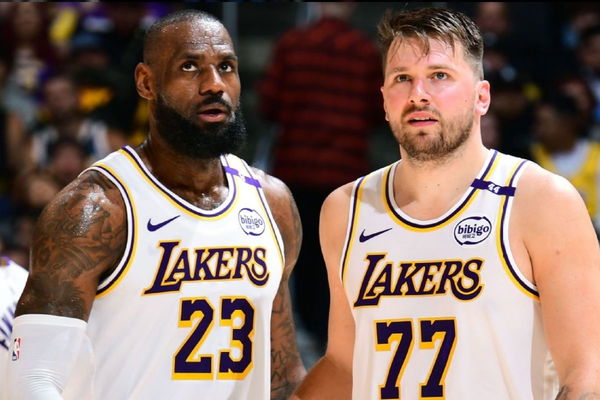
Apply that directly to the Lakers’ current roster built around Luka Doncic. A global European superstar is not just a franchise cornerstone on the court. He is a gateway to an entire commercial market. Rosen previously turned Shohei Ohtani into a sponsorship expansion engine in baseball. Doncic projects even larger global reach in basketball.
This means the Lakers are now incentivized to stay competitive every season instead of pivoting to long rebuild cycles. Expect aggressive roster moves, not patience. Because in this ownership model, missing the playoffs costs more financially than luxury tax penalties.
The famous free-agent pitch to LaMarcus Aldridge a decade ago became symbolic of the old philosophy. The presentation reportedly emphasized branding opportunities over basketball fit. That approach relied on prestige to close the deal.
Modern players no longer decide careers based on Hollywood appeal alone. They decide based on stability, analytics support, and championship probability. Rosen’s arrival fixes exactly that perception gap.
Instead of selling history, the Lakers will now sell infrastructure. Instead of celebrity access, they sell competitive certainty. One joke around league circles has long been that the Lakers used to recruit like a luxury car commercial, while the best teams recruited like engineering firms. Walter clearly prefers the engineering firm.
The corporate sports era has officially reached the Lakers
Across the NBA, family ownership models are disappearing. Teams worth $10 billion cannot operate on a relationship hierarchy. They require institutional systems. The Lakers just crossed that line.
This is similar to what happened when the Warriors modernized operations before their dynasty run and when the Clippers rebuilt infrastructure under Steve Ballmer. Front-office modernization typically precedes sustained contention, not follows it. So this is not a cosmetic business move. It is competitive preparation.
Rosen’s mandate is clear. Expand revenue streams, globalize the fan base, and align business operations with a year-round contender timeline. Those goals only function if the team wins consistently.
Because of that, the next 12 months likely include:
- Aggressive roster optimization around Doncic.
- Refusal to enter rebuild cycles.
- Increased international presence and preseason tours.
- Major partnership announcements tied to global markets.
The Lakers did not simply replace a longtime employee. They replaced an operating philosophy. Mark Walter did not buy a legacy. He bought a platform.
Now the basketball side has to match the business ambition, and historically, when ownership makes that demand in Los Angeles, a blockbuster move eventually follows. The era of the family-run Lakers is over. The era of the corporate contender has begun.
Written by

Edited by

Tanay Sahai