
The NBA is taking another step toward expanding its presence in Europe, announcing an infrastructure initiative targeting at least €10 billion (nearly $11 billion) in funding for the development and renovation of basketball arenas and surrounding sports and entertainment districts. The plan brings together several major global investment firms as the league prepares to establish a new professional basketball ecosystem in Europe alongside FIBA in 2027.
Watch What’s Trending Now!
The initiative is intended to give prospective clubs and ownership groups access to long-term capital and the NBA’s expertise in arena development. Rather than focusing exclusively on launching a new competition, the league is also looking to improve the facilities that could support it across the continent.
The NBA outlined the €10 billion initiative and named its investment partners in its official announcement: Apollo Sports Capital, Ares Management, Arctos, Blackstone, HPS Investment Partners, J.P. Morgan, Sixth Street, and Stonepeak, among others. ESPN also shared the announcement. Arctos is a business of KKR, while HPS Investment Partners is part of BlackRock. The group is expected to work with participating clubs, ownership groups, local developers, and other service providers on potential projects.
The proposed developments could extend beyond the arenas themselves. Depending on local requirements and investment opportunities, projects may include housing, workplaces, restaurants, retail outlets, and public spaces. The aim is to create year-round destinations that reflect the sporting and cultural identity of their respective cities while attracting visitors beyond basketball games.
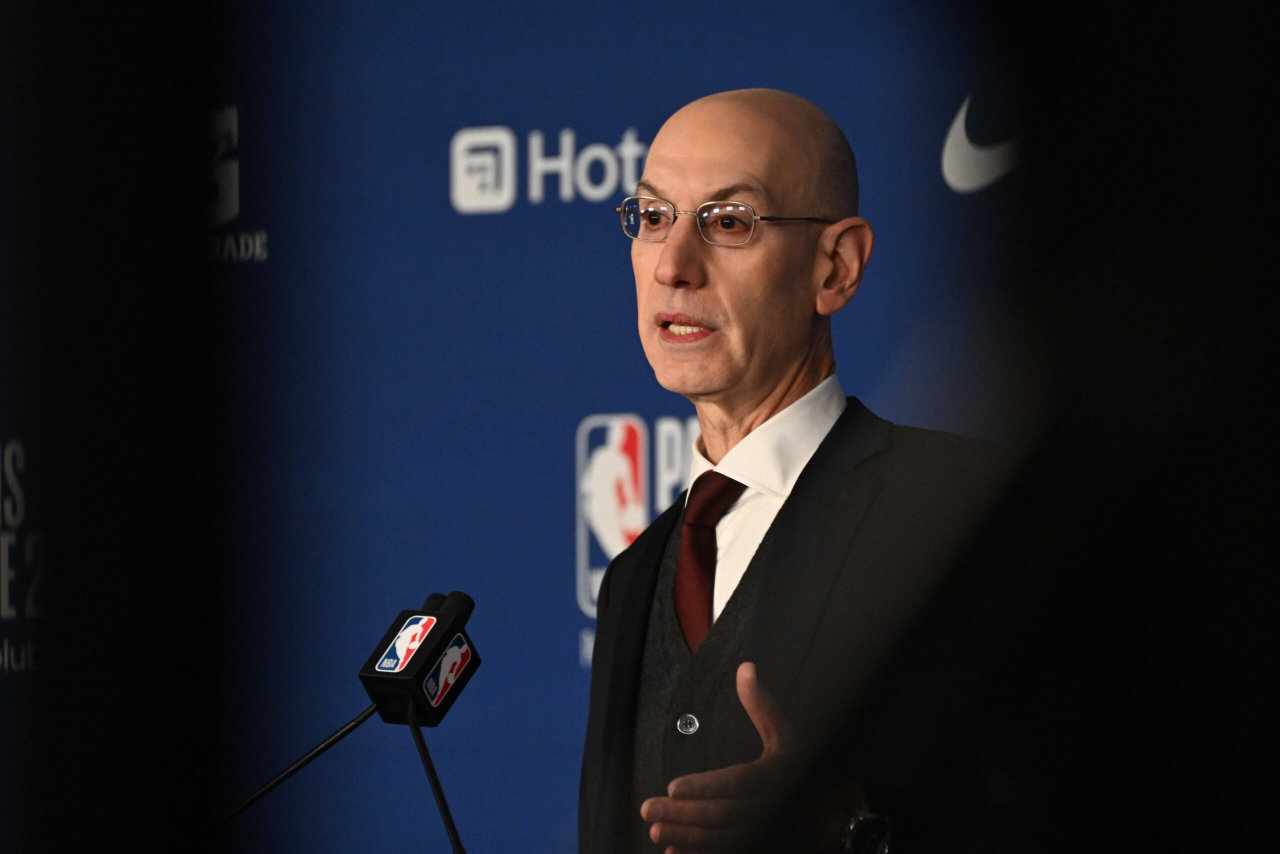
NBA Commissioner Adam Silver explained how the initiative could benefit both clubs and the communities around them.
“We’ve seen firsthand how state-of-the-art arenas and the related developments around them can transform basketball teams and their surrounding communities,” Silver said. “As we prepare to launch a new league in Europe alongside FIBA, we see a significant opportunity to help clubs develop facilities which both build on the unique traditions that define European basketball while also elevating the fan experience and attracting many more live events.”
The financial projections also highlight the potential scale of the proposed competition. According to a study by The Sports Consultancy cited in the NBA’s announcement, the NBA-FIBA basketball ecosystem could contribute more than €24 billion in gross value added to Europe’s GDP over its first 10 years. The study also projects nearly 15,000 full-time equivalent jobs annually and close to 70 million spectators during that period, including through the development and renovation of arenas.
While the projections indicate the potential economic impact of the proposed league, the scale of that impact will depend on how the project develops. The NBA’s €10 billion target is intended to support arena development and renovation, with discussions involving investors and potential development partners still ongoing.
Reuters also reported that aggregate capital commitments could exceed the initial €10 billion target as additional investors join the initiative. The scale of individual projects and the financing involved will depend on local economic conditions, development partners, and available opportunities.
The infrastructure announcement also comes as the proposed competition faces questions about its launch structure. NBA Commissioner Adam Silver has targeted a 2027 launch, but NBC Sports reported on November 18 that the league had yet to secure formal agreements with teams and that negotiations with EuroLeague had slowed. A soft launch in 2027 has therefore emerged as a possibility while discussions continue.
The arena initiative is separate from the process of selecting franchises and ownership groups. Although it could provide clubs with access to financing and expertise, the NBA has not formally announced the participating teams or confirmed specific arena projects.
For the NBA, securing investment is only one part of establishing a lasting presence in Europe. The league will also need to reach agreements with clubs, work through the relationship with EuroLeague, and build a competition that fits into a continent with established basketball traditions. The infrastructure plan gives the project a significant financial foundation to pursue, but its eventual success will depend on how those sporting and commercial arrangements take shape.