Imago
unlicensed images
Imago
unlicensed images
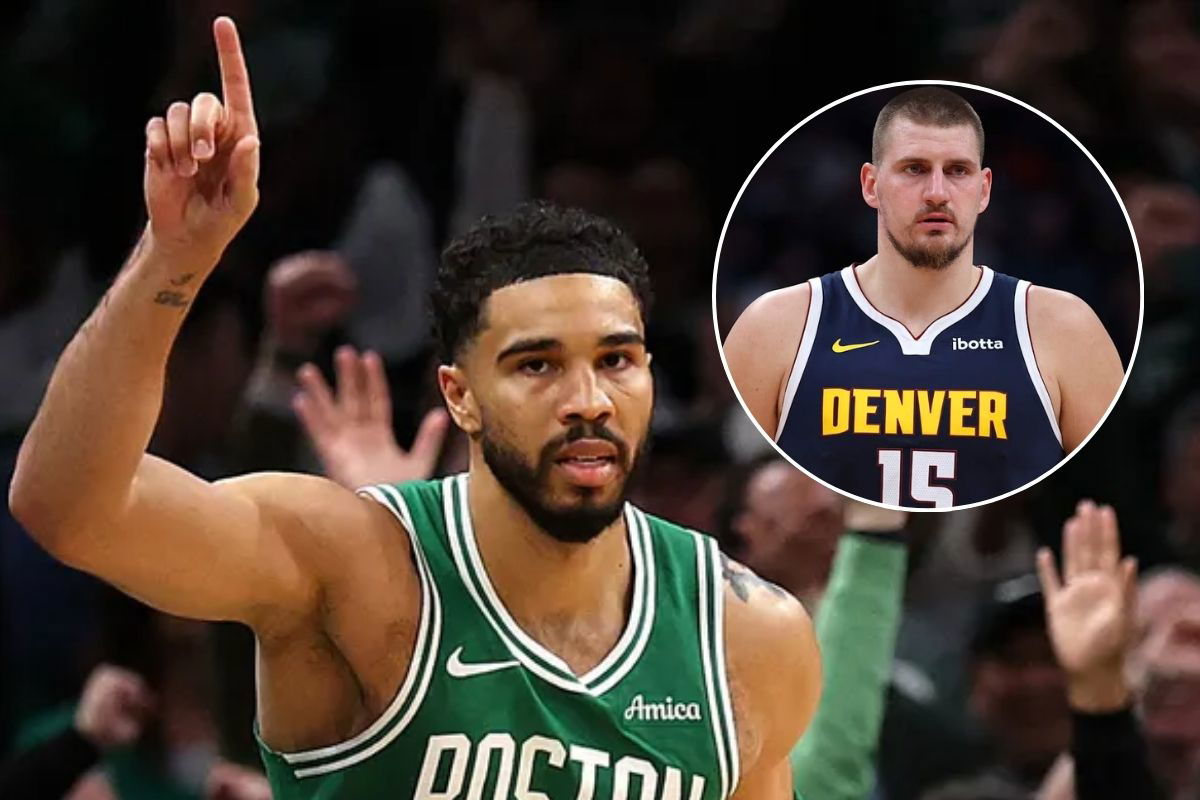
Injuries keep piling up across the NBA, and the concern keeps growing. Naturally, one would turn to someone experienced like Nikola Jokic for answers. Why are bodies breaking down so often? Is the modern game simply too fast? After all, today’s pace demands relentless speed, explosive bursts, and constant intensity. Yet Jokic offered a calm response. He admitted he has no clear theory. However, Jayson Tatum becomes the focal point of the argument.
Watch What’s Trending Now!
“Well, I believe part of the injuries are because players aren’t prepared for that kind of speed, explosiveness, intensity, whatever it is,” the Denver Nuggets big man said on X&O’s Chat. “Especially over that many games. We play five games in eight days.”
He added, “How do I put it—those minutes, all of that… It’s different for a player. Like Tatum, for example, who injured his Achilles.”
In simple terms, Nikola Jokic explains that workload varies greatly among players. A primary ball handler like Jayson Tatum constantly creates offense and handles the ball for 35 to 40 minutes. Meanwhile, others simply space the floor or run the court, facing far less physical and mental strain.
Imago
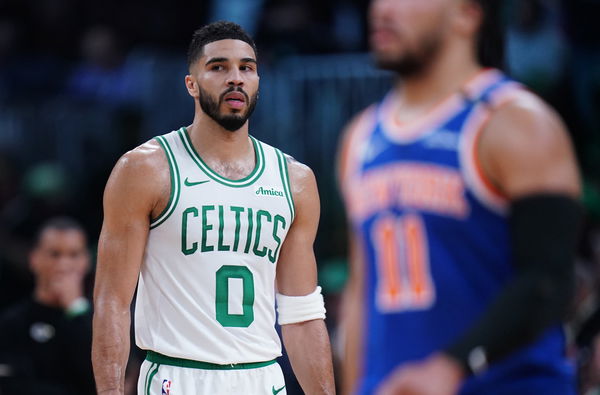
May 5, 2025; Boston, Massachusetts, USA; Boston Celtics forward Jayson Tatum (0) on the court against the New York Knicks in the third quarter during game one of the second round for the 2025 NBA Playoffs at TD Garden. Mandatory Credit: David Butler II-Imagn Images
Jokic also suggests that injuries often hit star players because their roles demand heavier workloads. They handle the ball more, play longer minutes, and operate at higher intensity. As a result, the physical strain on primary options becomes greater than on role players.
“I think part of it is they’re not ready. Part of it is maybe the years. Part of it is the style of play. The style of play demands a lot from them,” he further noted.
Coming back to Jayson Tatum. It took him 298 days to walk into the arena once again. Friday, March 6, marked the day when JT finally returned against the Dallas Mavericks. And his comeback is an important moment for the league as well.
Jayson Tatum’s return could be a future turning point
Jayson Tatum tore his Achilles during the 2025 playoffs on May 12. Surgeons operated one day later on May 13. Then came the long grind. However, the comeback arrived faster than expected. Tatum returned on March 6, 2026, against the Mavericks, roughly 10 months later. That timeline stunned observers because typical recovery stretches to 12-13 months. For comparison, Dejounte Murray required about 13 months. Furthermore, the comeback sparks league-wide curiosity.
The Boston Celtics‘ medical approach now draws praise across front offices. Early surgery and strict rehab discipline appear validated. At the same time, injuries keep rising across the league, with Damian Lillard and Kyrie Irving ruled out for the season. If Tatum sustains his All-NBA level, the implications grow larger. Last season, he averaged 26.0 points, 8.7 rebounds, and 6.0 assists. Therefore, his path may reshape recovery expectations for contenders chasing a title.
Imago
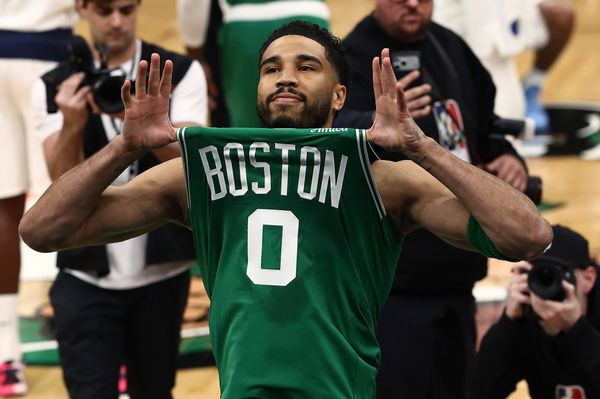
Mar 6, 2026; Boston, Massachusetts, USA; Boston Celtics forward Jayson Tatum (0) shows his jersey to the crowd before taking the court for the first quarter against the Dallas Mavericks at TD Garden. Mandatory Credit: Winslow Townson-Imagn Images
At the same time, contenders across the NBA may rethink patience. Boston already showed the blueprint to speedy recovery while sitting atop the East. Teams could welcome returning stars mid or late season and trust rhythm to grow before the playoffs. Therefore, franchises may pour money into advanced treatments and recovery science.
Injuries may be haunting the NBA, yet Jayson Tatum’s comeback flips the conversation. Nikola Jokic raised the alarm on workload, speed, and relentless roles for stars. Meanwhile, Boston offered a daring response through patience. Therefore, the league watches closely. If this path holds, contenders may chase quicker returns, sharper timing, and bigger playoff swings in the years ahead.