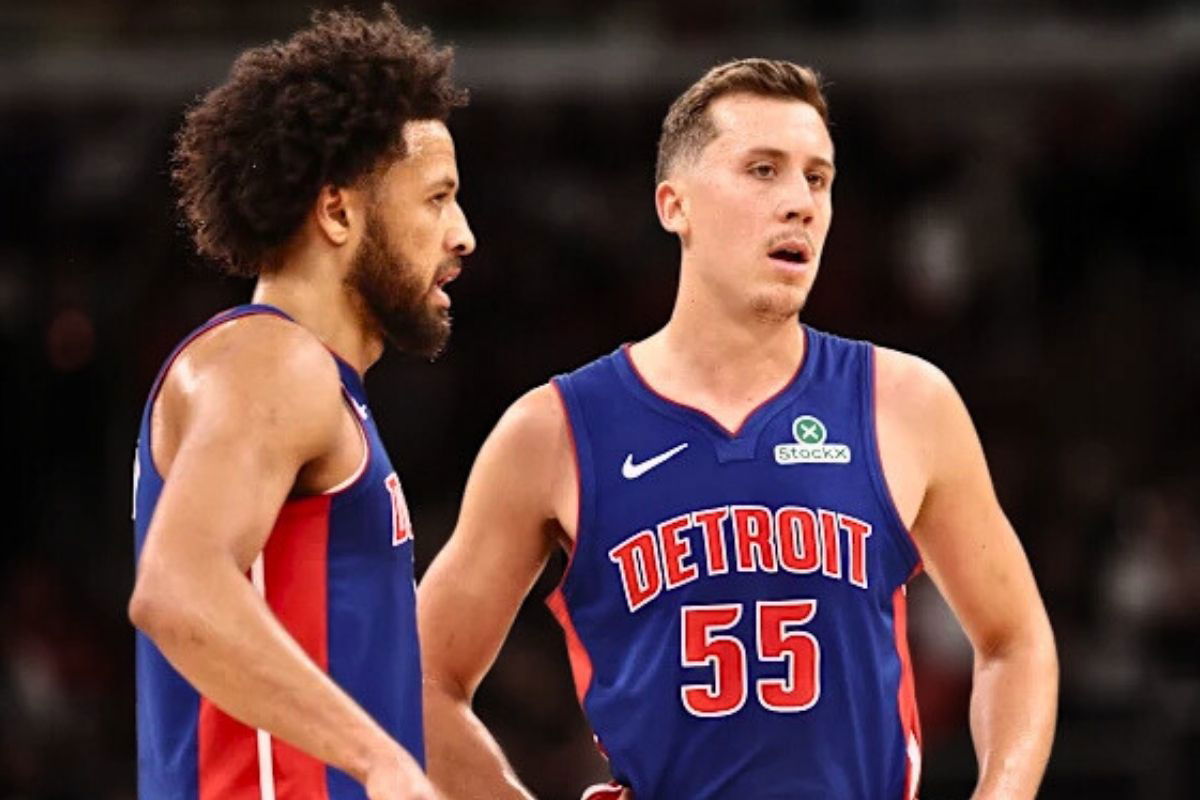
In a moment when benches cleared and emotions boiled over, one veteran’s reaction stood out for the wrong reason. While chaos consumed the floor during the Pistons–Hornets altercation, Duncan Robinson turned his back on the scene.

That decision did not sit well with Lou Williams, who delivered a blunt verdict on national television the following day. Appearing on Run It Back after the February 9, 2026, game, Williams focused less on punches thrown and more on trust inside an NBA locker room. His criticism centered on Robinson’s visible walk away as teammates were tangled in the scuffle.
Watch What’s Trending Now!
“If it ever come a time where your teammates acting like they don’t trust you, you earn that, dawg. You got to at least go over there and grab a teammate. Do something. You can’t turn your back on the guys.” For Williams, the issue was not about fighting. It was about presence. In moments like that, veterans are expected to help de-escalate, pull teammates away, or at a minimum show concern. Turning away sends a message players remember.
That expectation, Williams explained, applies regardless of role or reputation. Camaraderie is non-negotiable when things spill beyond basketball.
“If it ever come where your teammates act like they don’t trust you, you earned that, dawg.”@TeamLou23 didn’t like Duncan Robinson turning his back on his teammates during the brawl. Very bad look 🤦 pic.twitter.com/GEhRWeT49H
— Run It Back (@RunItBackFDTV) February 10, 2026
The incident itself unfolded quickly. Tension flared after Jalen Duren and Moussa Diabate got tangled during a physical sequence under the basket. After Duren made contact with Diabate’s face, emotions escalated, and players rushed in from both sides.
Benches emptied. Shoving followed. While the initial pair was separated before the situation fully exploded, others joined in, turning it into a full-scale on-court confrontation. During the chaos, Robinson was captured on video looking away and walking in the opposite direction, a moment that fueled Williams’ reaction and social media backlash.
Jaylen Brown reacts to the Pistons-Hornets brawl
Williams was not the only voice reacting. On a live stream, Jaylen Brown focused on the initial contact rather than the aftermath. “If a dude takes his hand and mush your face like that… I ain’t gon lie, somebody gotta die,” Brown said, clearly siding with Diabate’s emotional response.
Brown’s take underscored a common NBA reality. Players react instinctively when personal space is crossed. However, league discipline rarely considers intent once lines are crossed.
From the NBA’s perspective, escalation matters more than origin. Any player who intensified the situation is expected to face consequences. Diabate and Duren could be limited to fines, given they were separated early. The bigger concern surrounds Isaiah Stewart and Miles Bridges, both of whom were more aggressively involved. Stewart’s history of prior on-court incidents places him under heavier scrutiny.
Imago
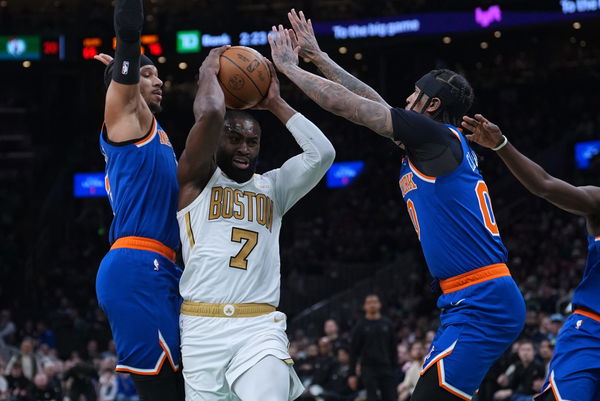
Feb 8, 2026; Boston, Massachusetts, USA; New York Knicks guard Jordan Clarkson (00) and guard Josh Hart (3) defend against Boston Celtics guard Jaylen Brown (7) in the second half at TD Garden. Mandatory Credit: David Butler II-Imagn Images
As of February 11, no official ruling had been announced by Adam Silver, though discipline is widely expected. Robinson’s night was otherwise productive. He scored 18 points as Detroit snapped Charlotte’s nine-game winning streak. Still, performances fade. Perceptions last.
Williams’ message was clear. In the NBA, trust is built during uncomfortable moments, not just made shots. Veterans are judged by how they respond when things go sideways. Whether Robinson’s reaction lingers inside the Pistons locker room remains to be seen. What is clear is that the league noticed, former players noticed, and the standard was publicly reinforced.
Moments like these define reputations just as much as box scores do.
Written by

Edited by

Ved Vaze