
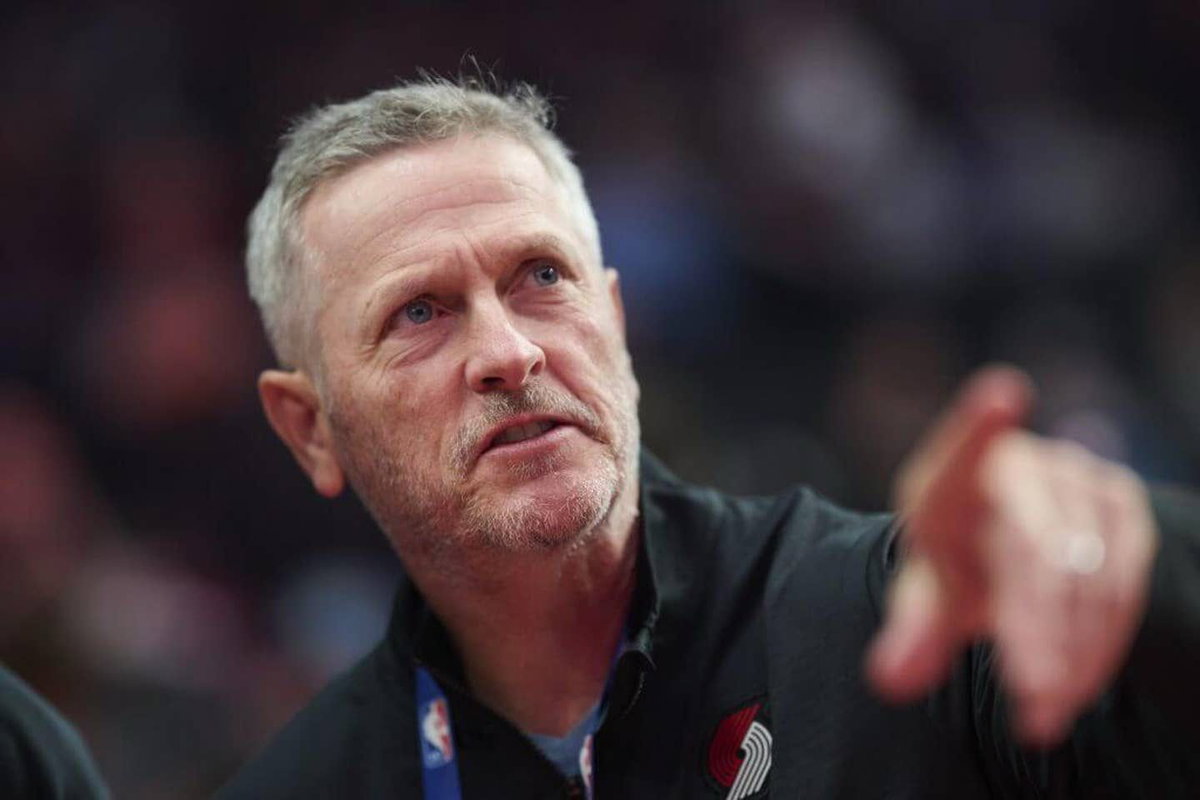
Tom Dundon has become a divisive figure in the community since buying the Portland Trail Blazers for roughly $4.25 billion in March 2026. Carolina Hurricanes owner made sweeping changes in his first few months. It was a big move, and one of his first acts was a cut in Portland’s work force. In mid-May, more than 70 workers, mostly on the business side, about a quarter of that staff, were let go. “They’re talented people,” team president Dewayne Hankins said, adding the moves are a “difficult decision to restructure several areas of the business” that will put the organisation on the right path for long-term success.
Watch What’s Trending Now!
The layoffs were exactly for the purpose one would think: cost-cutting and efficiency, a common theme of Dundon’s ownership so far. He had been relatively tight-lipped until recently, when he explained the controversial decision in an interview with The Oregonian’s Bill Oram, drawing direct inspiration from the Hurricanes’ leaner organizational layout.
“They have twice as many people as we have in Carolina, and my experience is that less layers gives people more accountability and they do a better job,” Tom Dundon told The Oregonian’s Bill Oram.
The Portland Trail Blazers owner wished to streamline operations. Dundon brought over what he learned from his highly successful NHL stint. “People are happier when they’re busy and productive. And more people just creates more problems, usually. I think Portland just had too many people. I just asked them to look at it and I think they came to the same conclusion. We didn’t run a budget or give them a goal of headcount.” Dundon added.
He emphasized that the cuts were “mostly on the business side. The basketball [operations], they’re two separate businesses… We don’t have a budget for that. It’s whatever it takes to put them in the best position to win.”
Dundon has pointed to the Blazers’ higher operational spending, reportedly $100 million more annually than the Hurricanes, excluding player costs, as justification for the “business decision.”
It’s common for new ownership to levy their methods on an organization. Dundon did the same with the Hurricanes, reducing the workforce to improve operations. Having a smaller staff breeds accountability.
Tom Dundon knows exactly who to go to if he wants something done. It helps cut the organization’s costs.
NBA fans don’t see Tom Dundon’s vision
Tom Dundon thought this through. He focuses on value and productivity. Those people whom he felt didn’t contribute enough were let go. In more ways than one, having a lean workforce helps prevent a decline in performance across the company.
But some fans felt for the remaining workforce. “Aka people will work harder, and we will eliminate work-life balance. Want a kid? No place here for you,” a fan pointed out.
Running an NBA organization on the backend is a full-time job. Imagine the social media team. They have to run year-round, even in the offseason. The division’s productivity will suffer with fewer hands on deck.
Depending on the workload, having a larger team might even be beneficial.
Another fan wrote, “Yes, people generally love doing the job of 2-3 people for the same pay and constant fear of getting canned. Very motivating”.
Broader concerns extend beyond the layoffs. Dundon’s reported interest in a lower-market head coach salary (around $1.5 million) has fueled speculation about Tiago Splitter’s future despite leading the young team to a surprising playoff appearance this season. Blazers legend Clyde Drexler publicly criticized the approach:
“When you’re running a billion dollar industry, you can’t act like you don’t have any money… I think the NBA has set a standard for every franchise.”
He’s willing to be stingy for anything outside of basketball. “Lol going cheap with coach, personnel, no way he will ever go over the cap. Blazers are screwed,” a fan suggested.
The Trail Blazers enjoyed a playoff run under interim head coach Tiago Splitter. Their All-Star, Deni Avdija, dishes great praise for his efforts and ability to bring out the best in his players. Rumors suggest he won’t be returning to the post again.
Combined with all the other things Dundon has done that fans disagree with, one comment suspected, “Has he been planted to destroy the organization?”
Fans worry these actions could hinder team-building and free agent appeal in a market already viewed as challenging.
“And Oregon thought it was hard to pick up free agents before…. Good luck,” one comment read.
Dundon will do whatever seems practical to reduce overall organizational expenses at the business level. But he was very clear about the actual product on the floor. There’s no budget for players and basketball-related activities.
Hopefully, that is followed, as the Trail Blazers prepare for a huge season next year. They’ll see the return of franchise hero Damian Lillard after making the playoffs this season. It’s imperative to have a positive environment in the building.
The early Dundon era highlights a classic tension in sports ownership: balancing fiscal discipline with the emotional and community expectations of running a beloved franchise.
While the layoffs and efficiencies may strengthen the backend long-term, as seen in Carolina, the immediate PR hit in Portland, home to passionate fans and a history tied to Paul Allen’s more hands-off style, has been notable.
Whether this lean model translates to sustained on-court success and fan buy-in remains the central question for Rip City.