
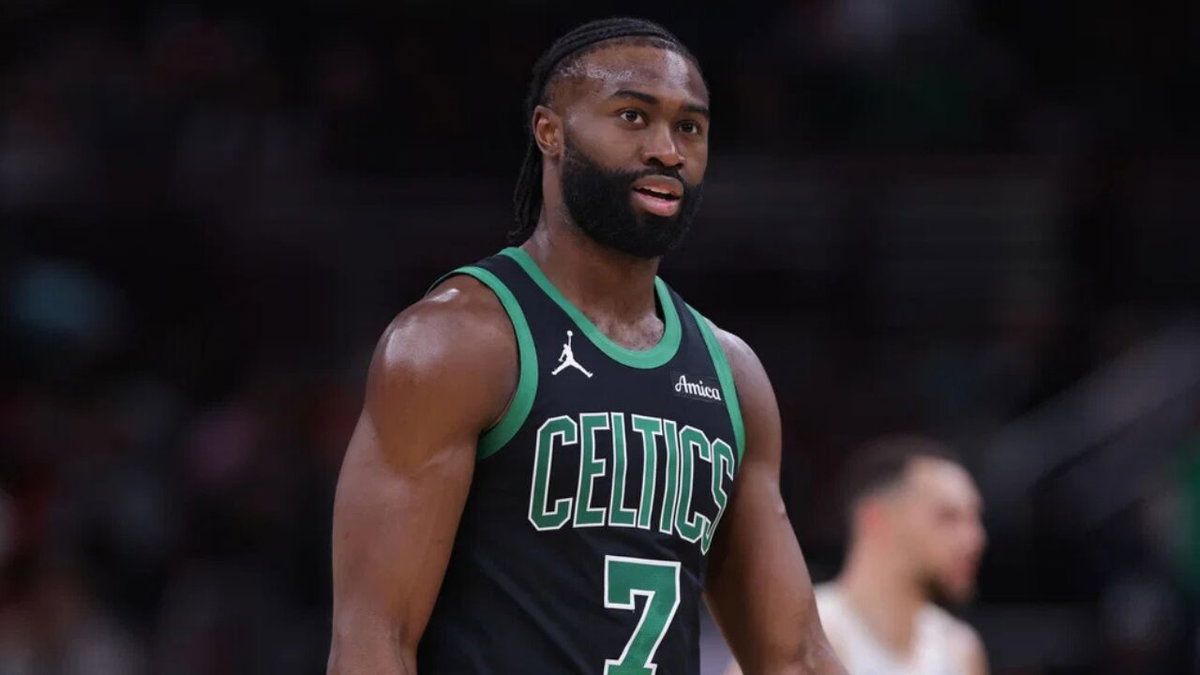
The NBA is racing towards an even richer future with global stars like Victor Wembanyama and elite American talent like Cooper Flagg and AJ Dybantsa. These names are set to be at the forefront of fueling a league backed by a staggering $77 billion TV deal, but a few players believe that they deserve more than just the paychecks from their franchises. Jaylen Brown wants a stake in the multi-billion-dollar empires the players help build, and he is not alone.
Watch What’s Trending Now!
Brown’s words seem to have served as a catalyst for Kyle Kuzma, who said,
“Let’s be real…the CBA makes sure owners, PE funds and outside investors can eat off NBA team equity, but the players driving the ratings and the merch are treated like short‑term contractors. And funny thing is we should be like independent contractors. Since we are w-2 we can’t even write off certain things like our agent fees. BS.”
The 30-year-old will become an unrestricted free agent next summer and has been part of two trades in his career. First, just eight months after signing a three-year deal with the Lakers, he was sent to the Wizards. Next, midway through his new four-year deal with Washington, he was sent to the Bucks as part of a multi-team trade. These two moves may explain his ‘short-term contractors’ comment.
Kuzma’s post came as a retweet of a video snippet of Brown’s interview with Bloomberg in January, when he was with the Boston Celtics. In that conversation, the player spoke about NBA players getting the chance to invest and get equity if they spend enough time at a franchise.
Imago
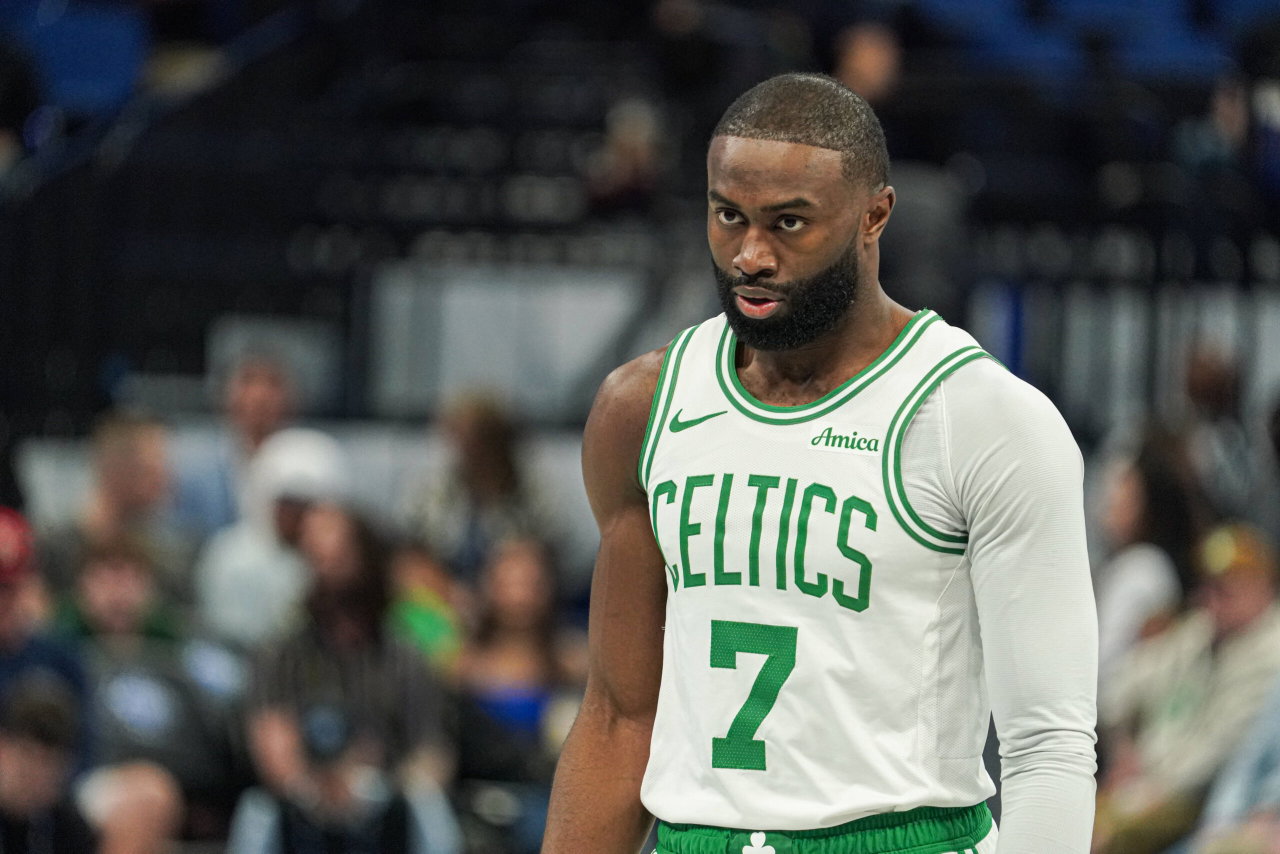
Boston Celtics at Orlando Magic, Orlando, Florida, USA Orlando, Florida, USA, November 7, 2025, Boston Celtics forward Jaylen Brown 7 at the Kia Center. Copyright: xMartyxJean-Louisx
“Players should be able to invest alongside ownership groups and business opportunities. I don’t understand why that’s ever been a thing. It’s like you’re an athlete, and they make it seem like they can control how much wealth or growth that you could actually accumulate. I think that’s wrong.”
“I also think that any other major corporation, if you work for Apple, Nike, or anywhere, if you’re a CEO, if you’re someone who has been on a board for a large amount of time, you get equity in a company at some point. You are part of it.”
“I think athletes should be looked at in the same way. You played for the Celtics for 20 years, you should get a piece of equity because you helped accumulate the growth. That’s the part that gets lost in translation. The sweat equity you put in. You get compensated for doing your job, but you don’t get compensated for the growth. At major corporations and companies, you do, or at least some of the big ones.”
At the time, Brown was midway through his tenth season with the Celtics. He has since been traded to the Philadelphia 76ers, saying he is “excited and disappointed at the same time.”
It served as a fresh reminder of just how little control players have over their own situation, even a Finals MVP. Whether he’ll keep pushing the equity argument at a new franchise remains to be seen.
Current NBA rules prevent active players from buying stakes in the teams they play against, largely to avoid conflicts of interest and protect the league’s competitive balance. After his second three-peat, Michael Jordan retired and purchased a stake in the Wizards. Then, once he decided to return, he had to sell his 10 percent stake and also step down as the team’s president of basketball operations.
Kuzma feels teams make fear-based apron decisions
Like Brown, even stars like Kuzma and Steph Curry have repeatedly argued that players should have a path to ownership. Kuzma had already challenged team owners long before his Monday post.
Earlier this month, the 30-year-old shared his thoughts on how teams navigate the first and second apron rules. He feels things have become much harder for teams to keep their core players together, reward talent fairly, and make roster moves.
In his long tweet, Kuzma said, “Teams are no longer making purely basketball decisions. They’re making fear-based apron decisions. That means good players get squeezed, homegrown cores get broken up, fan-favorite teams lose their identity, and the overall product loses some of the nostalgia and continuity that made people fall in love with the NBA in the first place.”
His explanation is simple: the players fully recognize that the league operates as a business. Therefore, he believes the NBPA must approach every negotiation with the same level of expertise as team owners. This means they must involve top lawyers, economists, salary cap specialists, and others in the loop.
Kuzma believes players deserve representatives who can match that level of preparation and protect their long-term interests. Moreover, he feels players often receive updates after key decisions instead of gaining enough knowledge before talks begin. Kuzma is of the opinion that players, fans, and the NBA all benefit when talent receives fair value and successful teams have a real chance to stay together.
Curry believes players are underpaid
Curry also voiced his opinion on the same in a chat with Speedy Mormon on 360 with Speedy. When the host referenced Shai Gilgeous-Alexander’s 70 million per year deal and asked Curry if he thinks NBA players are underpaid.
He said, “The way the CBA is structured right now, we can’t participate in equity. That’s a big deal because it is a partnership with ownership. It’s a partnership with the league, and we’re on the short-term of that revenue.”
Imago
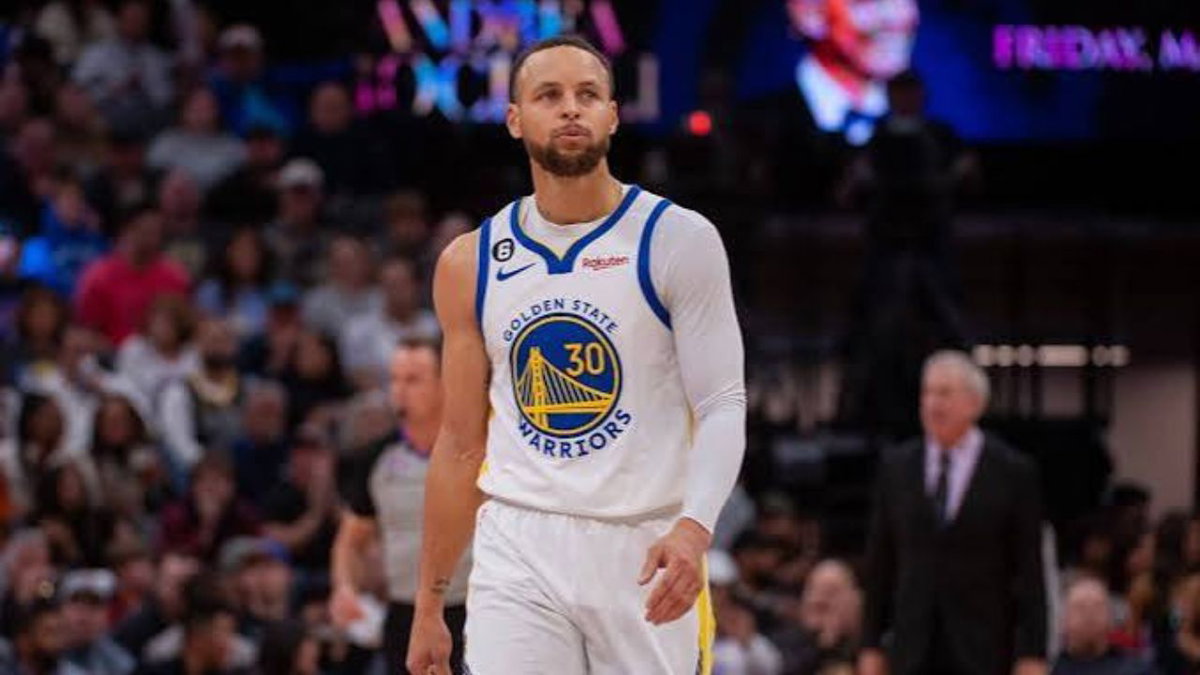
NBA, Basketball Herren, USA Golden State Warriors at Sacramento Kings Apr 7, 2023 Sacramento, California, USA Golden State Warriors guard Stephen Curry 30 looks on during a time out in the second quarter of the game against the Sacramento Kings at Golden 1 Center. Sacramento Golden 1 Center California USA, EDITORIAL USE ONLY PUBLICATIONxINxGERxSUIxAUTxONLY Copyright: xEdxSzczepanskix 20230407_lbm_bs4_199
“Those numbers sound crazy, but what the league is doing, from whatever era you want to compare it to now, is probably 10x that. So, the idea that we can’t participate in equity while we’re playing is a part of why I would say yes, we are underpaid.”
These comments, coming from a player who has had a cap hit northward of $50 million for the last four seasons, paint a telling picture. However, basketball players are free to own stakes in franchises away from the NBA.
Most current NBA stars have turned to soccer, particularly the MLS. Giannis Antetokounmpo holds a minority stake in Nashville FC, and Kevin Durant holds a stake in Philadelphia Union.
Meanwhile, James Harden has a stake in an investment group that controls two Houston teams, i.e., the MLS’s Houston Dynamo and the NWSL’s Houston Dash.
LeBron James, through Fenway Sports Group, has stakes in the Boston Red Sox. He even holds a minority stake in English soccer side Liverpool.