Imago
credit-clipsnation
Imago
credit-clipsnation
Ever wonder what makes an international basketball star tick beyond the court? For figures like Pablo Prigioni, the answer often lies in a rich tapestry woven from diverse threads. His journey isn’t just about plays and coaching strategies; it’s deeply rooted in a fascinating blend of cultures and identities. Understanding where he comes from adds a whole new layer to appreciating his impact on the game and his life story.
Watch What’s Trending Now!
Prigioni’s background is a classic example of modern global identity, shaped by history and heritage crossing oceans. It’s a story common in many parts of the world, especially South America, where ancestry tells tales of migration and mixing. Unpacking his ethnicity, nationality, and faith reveals how these elements intertwined throughout his playing days and now his coaching career, making him the person we see today. Let’s dive into the details that define Pablo beyond basketball.
What is Pablo Prigioni’s ethnicity and cultural background?
Pablo Prigioni’s ethnicity is distinctly Argentine-Italian, a heritage shared by millions in Argentina. Born in Río Tercero, Córdoba, in 1977, his roots reflect the massive waves of Italian immigrants who arrived between the 1850s and 1950s. This huge influx, totaling nearly 3.5 million people, fundamentally reshaped Argentine society. Today, it’s estimated a staggering 62.5% of Argentines claim some Italian ancestry.
This deep Italian connection means Prigioni is part of the italoargentino community. His background isn’t just about bloodlines; it’s a lived cultural fusion. Think pasta and pizza becoming national staples, or the distinct Italian lilt influencing Argentine Spanish. The blending created something unique – a vibrant Argentine culture heavily seasoned with Italian traditions, customs, and values passed down through generations.
Prigioni embodies this mix perfectly. His story mirrors countless Argentine families whose European roots are a point of pride and practical reality. Like soccer icons Messi or Di María, Prigioni’s Italian lineage is officially recognized, granting him dual citizenship. This dual identity is a direct legacy of those historic migrations shaping modern Argentina’s very soul.
What is Pablo Prigioni’s nationality?
Officially, Pablo Prigioni holds dual nationality: he is both Argentine and Italian. His primary nationality is Argentine, gained by birth in Río Tercero. This connection runs deep, most visibly through his dedicated service to the Argentine national basketball team. For over a decade, from 2001 to 2014, he proudly wore the blue and white, including winning Olympic bronze in Beijing 2008.
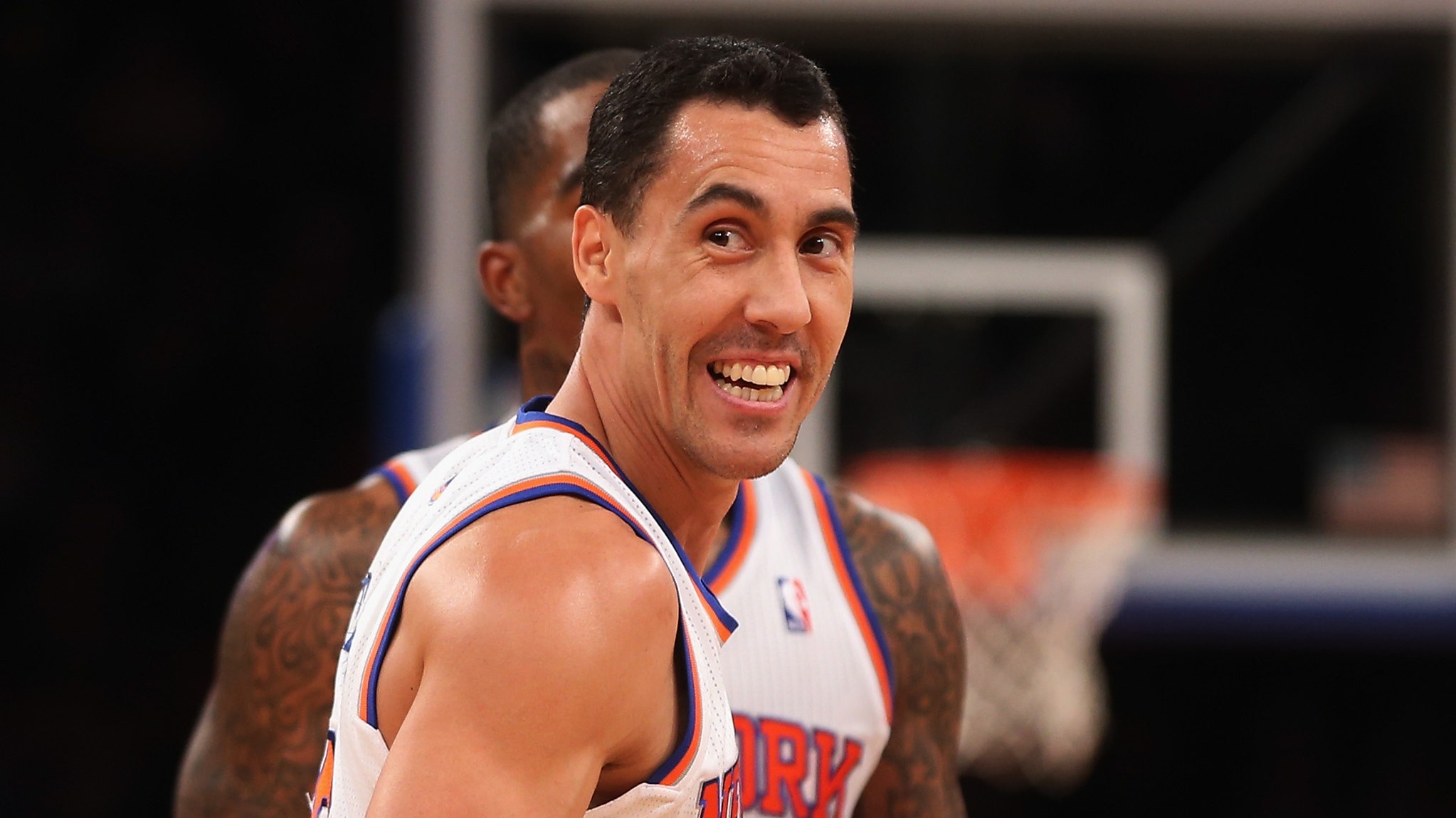
His Italian citizenship comes via jus sanguinis – the right of blood. Thanks to his ancestors, Prigioni qualified for an Italian passport, a common path for Argentines of Italian descent. This wasn’t just symbolic; it offered significant practical advantages during his playing career, especially in Europe. Holding an EU passport smoothed his move to play in Spain’s top leagues for years.
This dual status means Prigioni enjoys rights and responsibilities in both nations. He can vote and own property in Argentina while benefiting from EU freedom of movement. It reflects the enduring legal and cultural bonds between Argentina and Italy, a bridge built by history that continues to benefit individuals like Prigioni long after the initial migrations ended.
What religion does Pablo Prigioni follow?
Specific details about Pablo Prigioni’s personal religious practices are pretty private; he hasn’t publicly detailed his faith. However, looking at his background offers strong clues. Argentina, shaped heavily by Spanish colonization and subsequent Italian immigration, is overwhelmingly Roman Catholic. It’s deeply woven into the cultural fabric.
Given his Argentine birth and Italian heritage, it’s highly likely Prigioni was raised within the Catholic tradition. Both cultures share strong Catholic roots, influencing family life, holidays, and community values. The Catholic Church has played a significant role in Argentine society, shaping norms for generations. An Argentine-Italian family would naturally exist within this dominant religious context.
That said, personal faith varies greatly. While many athletes are vocal about their beliefs, Prigioni has consistently kept his spiritual life out of the spotlight. His public persona, both as a player and now as an assistant coach with the Minnesota Timberwolves, focuses firmly on basketball professionalism, tactics, and team dynamics.
This focus reflects a modern, secular approach common in diverse sports environments. The absence of public pronouncements simply suggests privacy, not necessarily a lack of personal belief rooted in his cultural background.