
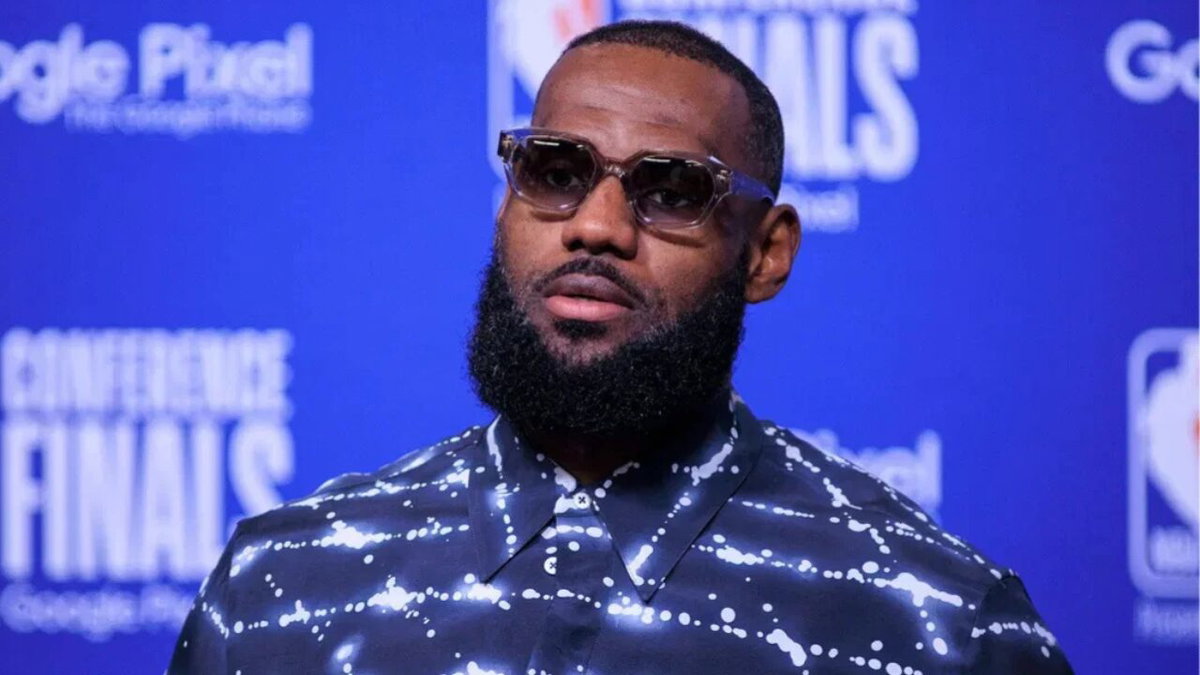
LeBron James’ use of a Fanatics helicopter for travel between New York and Philadelphia has sparked questions about his relationship with the company and its connection to the 76ers. However, former NBA star Blake Griffin believes the attention surrounding the arrangement could already be benefiting the brand. Griffin questioned why a legitimate endorsement agreement should be viewed as suspicious when a player is providing promotional value to the brand.
Watch What’s Trending Now!
James’ helicopter access comes through his existing partnership with Fanatics. LeBron and the company agreed to a multiyear trading card partnership in January 2024, before he signed with Philadelphia in July 2026. The arrangement attracted scrutiny because Fanatics founder Michael Rubin previously held a minority stake in the 76ers, which he sold in 2022.
“It’s like, yes, if it’s an endorsement deal, you could literally argue that just by everyone talking about this Fanatics helicopter and LeBron, and is it a thing? It’s kind of already done its job, you know?” Griffin argued, reacting to the discussion.
Griffin’s argument was that a brand partnership can generate exposure without requiring a traditional advertising campaign. The attention surrounding James’ travel arrangements has brought Fanatics into a wider conversation, making the helicopter itself part of the company’s public visibility.
According to Front Office Sports, the helicopter made 12 round trips between Philadelphia and New York in one week. A one-way journey is estimated to cost between $4,000 and $10,000, although the financial value of James’ Fanatics agreement has not been disclosed.
Griffin acknowledged that NBA teams can introduce players to brands, but distinguished those introductions from endorsement agreements in which athletes provide services to companies. He pointed to the promotional work that can accompany such partnerships.
“So I don’t, I think that sure teams do introduce the players to brands, but if you’re doing an endorsement deal and you are doing something for it, shooting a commercial photo shoot, autograph signing, whatever it is, like, you know, can’t really argue.”
The central question surrounding James’ arrangement is whether it is an independent agreement with Fanatics or whether the 76ers played a role in providing the benefit. The distinction matters because a team facilitating outside compensation for a player could raise salary-cap concerns.
Griffin admitted that he had not followed every detail of the controversy closely. Although he acknowledged that the situation might look unusual, he questioned how it could be considered improper without further evidence.
NBA commissioner Adam Silver addressed the issue on The Pat McAfee Show and distinguished an independent endorsement agreement from a benefit arranged by a team. Silver said James’ arrangement was “perfectly appropriate” if the agreement was directly between Fanatics and the player, with no involvement from Philadelphia. He also made clear that a team cannot play a role in securing an outside sponsorship deal for one of its players.
Ultimately, Griffin’s argument comes down to whether James is fulfilling a legitimate endorsement agreement. He believes the arrangement should not automatically be treated as improper simply because it involves a high-profile athlete and a company with a former connection to an NBA franchise.