
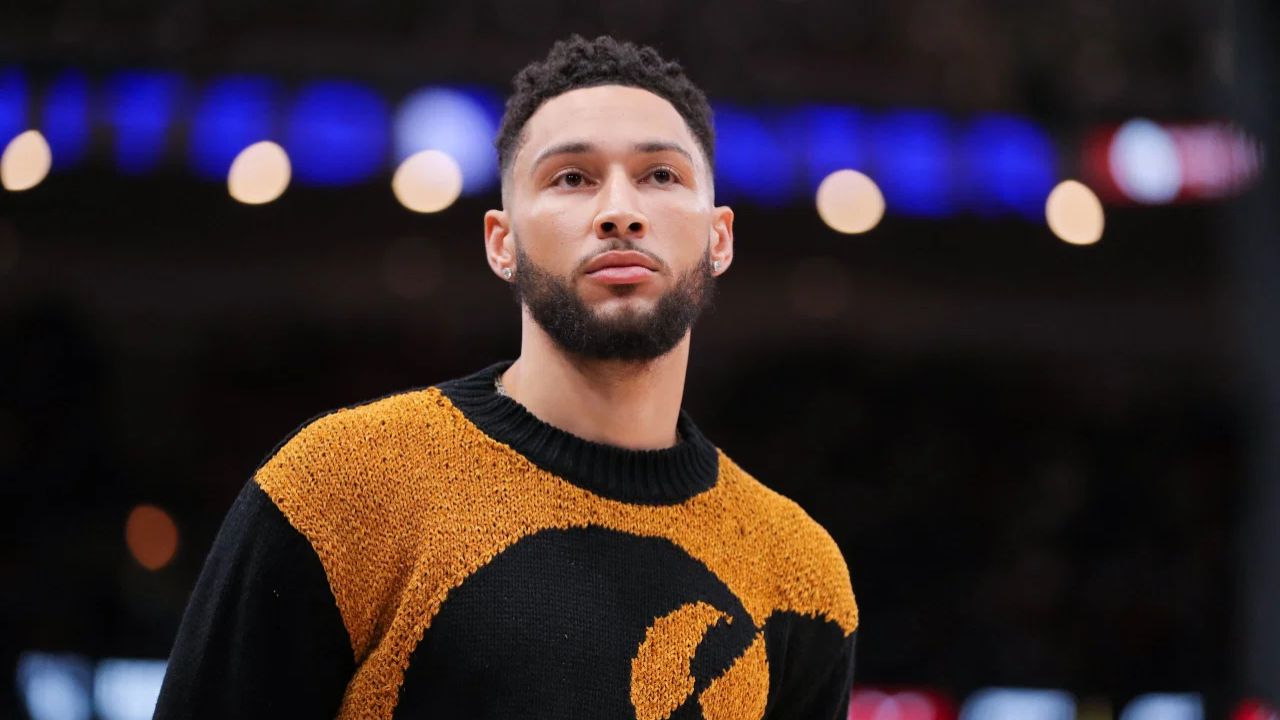
Ben Simmons is preparing to return to the NBA. But his comeback has already produced an unexpected fight over what actually happened during his time away. A recent criticism from former Clippers guard Patrick Beverley has put Simmons’ absence under a harsher spotlight. He questioned whether a player can step away when basketball becomes difficult and still receive another opportunity.
Watch What’s Trending Now!
However, Simmons was not willing to let that version of his career go unanswered.
Beverley raised the issue on his podcast, arguing that he does not believe it is fair for a player to “quit the game of Basketball and come back.” He contrasted Simmons’ situation with that of Victor Oladipo, pointing to Oladipo’s willingness to compete in the G League and continue working toward another NBA opportunity.
For Pat Bev, that distinction mattered.
He argued that players who struggle with pressure, poor form, criticism from fans and media, or the general stress of the game should not simply be able to leave and return when circumstances improve.
The comments were reshares by the IG Leaguealerts, and Simmons responded directly in the comments with a blunt defense of his absence.
“Walk away….?? I played two years not physically right.This ain’t no hand out. I worked my as- off to be in this position…. And I’m very grateful to even be in position to play the game I fucking love! Yall will continue to make up stories for your own benefits and that’s more telling about who yall are.”
Ben Simmons’ response completely challenged the premise behind Beverley’s criticism.
Rather than describing his time away as an escape from basketball, he framed it as a period in which he was trying to overcome physical problems that had prevented him from being himself on the court.
The context behind Simmons’ absence is central to the disagreement. His recent career has been repeatedly interrupted by physical issues, with his back problems becoming one of the defining obstacles.
His rough draft points to chronic lumbar nerve impingement and multiple herniated discs, problems that affected his ability to move freely and contributed to further lower-body issues.
That makes Beverley’s comparison with Oladipo particularly contentious from Simmons’ perspective. Oladipo’s route involved continuing to pursue opportunities while working his way into the league. Simmons believes his own circumstances required something different.
The distinction is important because Simmons was not simply dealing with a poor stretch of shooting or frustration with criticism. His physical condition became a recurring obstacle to playing at the level expected of a former No.1 overall pick.
His response also emphasized something that has been missing from much of the public conversation around his career: he still wants to play.
Ben Simmons’ upcoming opportunity with the Sacramento Kings, therefore, represents more than another NBA roster spot. It is his chance to demonstrate that the work he says he put in away from the court can translate into a sustainable return.
Beverley’s criticism also reflects a broader debate in sports about how athletes handle adversity. At the same time, they are celebrated for playing through injuries. And brought into suspicion if its effects are theirs, their availability.
That gap can make the line between legitimate recovery and perceived quitting particularly contentious.
Ben Simmons clearly believes the line was crossed in the way people described his absence.
His final accusation that critics “make up stories for your own benefits” suggested that he sees the public narrative around his career as something shaped by people who benefit from controversy.
Now the debate moves closer to where Simmons wants it: the court. His comeback will ultimately provide the strongest evidence for his argument. Another opportunity only matters if he can stay healthy and contribute.
Beverley questioned whether Simmons deserved that opportunity. Simmons insists he earned it through work nobody saw.
The time will tell.