
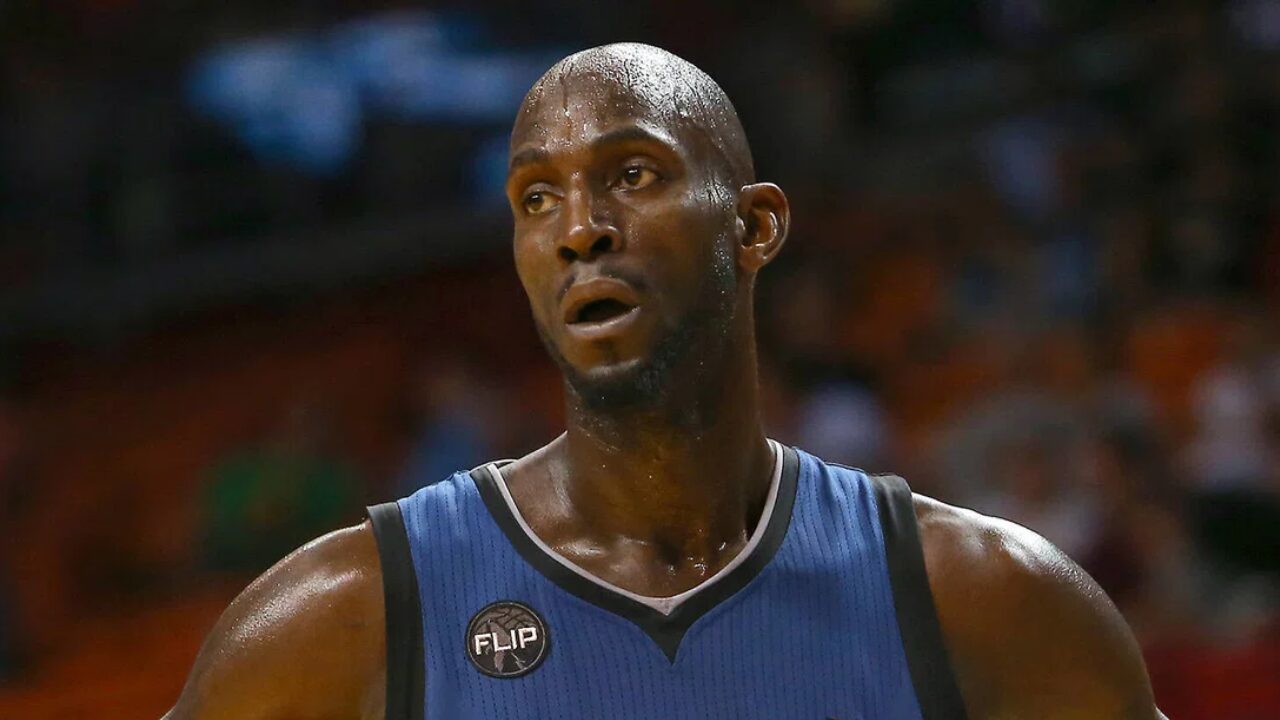
As conversations around injuries, load management and player availability continue to shape the modern NBA, Kevin Garnett believes something deeper is contributing to the debate.
Watch What’s Trending Now!
The Hall of Famer argues that the issue is not simply about talent or skill. In his view, it comes down to conditioning, preparation and a mindset he believes was more common during his own era. With player availability, load management and injuries continuing to generate conversations across the league, Garnett believes the problem goes beyond getting shots up in the gym.
For the former MVP, sustaining intensity throughout an entire 82-game season is what separates players, and he is not convinced every player today approaches that challenge the same way. That viewpoint ultimately led Garnett to push back against comparisons between generations.
“Don’t you ever compare me to any of these m*****f****rs,” Garnett said.
“Nobody can do what I do. Nobody can even think how I think,” NBA Courtside shared the clip of Garnett’s remarks.
Garnett’s comments were directed at players he believes are unprepared for the physical and mental demands of a full NBA season, criticism that formed the basis of his broader argument.
The former MVP also questioned how players prepare to handle the regular season, particularly back-to-back games and the repeated effort required to compete at the highest level. Garnett acknowledged that many current stars are in outstanding condition.
However, his criticism centered on whether players can maintain that level when the season becomes demanding. He argued that offensive skill alone is not enough without the endurance to sustain performance through difficult stretches.
The conversation around player rest is more complicated than simply asking whether athletes are willing to play. A 2026 study examining nine NBA seasons, from 2014-15 through 2022-23, analyzed participation and injury data to determine whether rest or load-management absences reduced subsequent injury risk.
Researchers found that players who missed games for those reasons did not experience a lower subsequent injury risk during that season. The findings do not prove that rest is ineffective for every player. However, they challenge the assumption that missing games automatically leads to fewer injuries.
Garnett also questioned the NBA’s changing expectations around player participation, including the league’s 65-game threshold for major individual awards.
He believes the next step could involve changes to how player contracts are structured. “I’m seeing unguaranteed contracts coming. I’ll pay you for the games you play, and that’s where we’re going,” Garnett said.
He suggested that availability could eventually play a larger role in determining player compensation. The former Celtics star also expects the league to enter a transition when LeBron James, Kevin Durant and Stephen Curry eventually retire.
While Garnett acknowledged the modern game’s pace, shooting and offensive creativity, he remains concerned about whether the physical intensity he values is being preserved.
Ultimately, Garnett’s argument is less about criticizing individual players and more about questioning whether the league’s current culture can consistently withstand the physical demands of an 82-game season.
That belief is what fueled both his frustration with player comparisons and his concerns about the increasing focus on rest and availability throughout the league.