
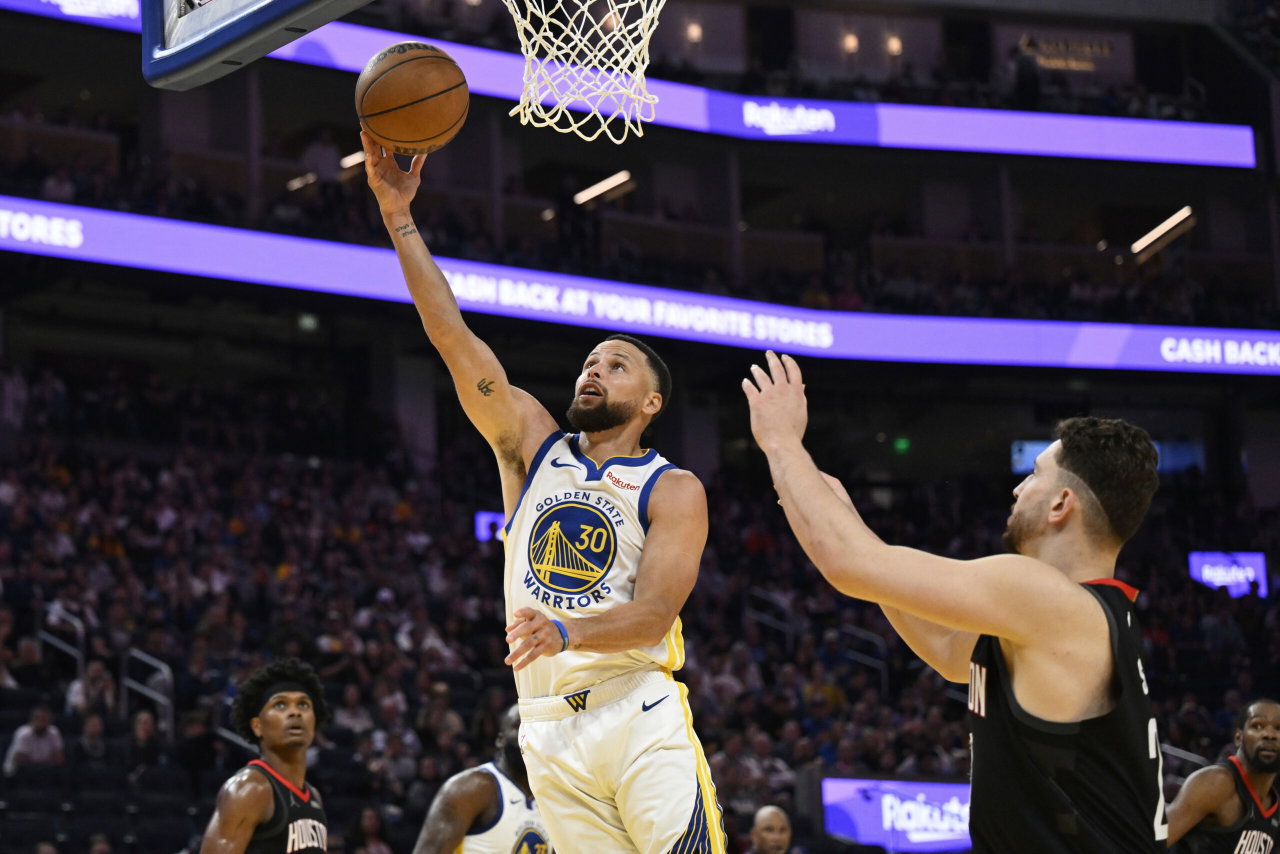
Stephen Curry’s biggest threat to defenders might not always come when he has the basketball.
Dwyane Wade believes the Golden State Warriors superstar becomes particularly difficult to guard after giving up possession, when his constant movement continues to put pressure on the defense.
“Guarding Steph Curry, to me, the scariest part about guarding Steph Curry is when he gave the ball up. Now that’s saying a lot about a guy who was dynamic with the ball in his hand. But when Steph Curry gives that ball up, watch out,” Wade explained.
Curry’s ability to stay involved after passing the ball forces defenders to keep tracking him. Whether he is running around screens or relocating to another spot on the floor, his movement can create openings for teammates and make it difficult for opponents to maintain their defensive assignments.
That ability has been part of Golden State’s impressive run. The Warriors extended their winning streak to eight games with a dominant 138-87 victory over the New Orleans Pelicans on November 9. After opening the season 0-3, Golden State became the first team in NBA history to win eight consecutive games immediately after such a start.
Curry scored 25 points in just over 20 minutes, while Brandin Podziemski also finished with 25 and rookie Yaxel Lendeborg added 23. The Warriors recorded 37 assists, another example of the collective ball movement that has helped drive their recent success.
Wade also identified Curry’s conditioning as a major reason behind his constant activity on the court.
“I think his best skill is his cardiovascular. Steph don’t look like he ever get tired. Never. He’s always moving,” Wade said.
Curry’s stamina allows him to remain active throughout possessions instead of becoming a stationary option after passing. Defenders cannot simply turn their attention elsewhere once the ball leaves his hands, as he can quickly move into another position and become a threat again.
Wade also recalled how the Warriors had tried to get players such as Jonathan Kuminga to understand the team’s movement-based offensive approach. Golden State’s system depends on players setting screens, cutting toward the basket and keeping the ball moving rather than relying heavily on isolation plays.
“They was trying to get them to run the Golden State offense and the flow. And that’s what makes them great is when Steph gives their ball up and now he is moving and everybody is doing their job,” Wade said.
That movement works because Curry is not the only player creating opportunities. Teammates have to read the defense, set effective screens and make timely cuts. When everyone stays involved, the Warriors can force defenders to adjust constantly instead of allowing them to settle into comfortable positions.
“They don’t do a lot of isolation basketball in Golden State. It’s movement, it’s body movement, it’s ball movement, right? It’s making sure that the defense are not comfortable in their positions,” Wade added.
Wade’s point is that Curry’s influence on a possession does not depend on him taking the shot or making the final pass. His movement can draw defensive attention and create space for another Warrior to take advantage.
He summed up that impact by comparing Curry’s presence to the hockey assist, which refers to the pass that leads to the assist.
“So Steph, forget hockey assists, Steph on the floor IS an assist. For everybody. Because of his body movement,” Wade said.
Curry’s shooting remains central to Golden State’s offense, but Wade’s comments highlight another dimension of his game. Even after giving up the ball, the Warriors star continues to influence the possession. That constant movement is what makes him such a difficult assignment for opposing defenses.