Imago
Imago
Imago
Imago
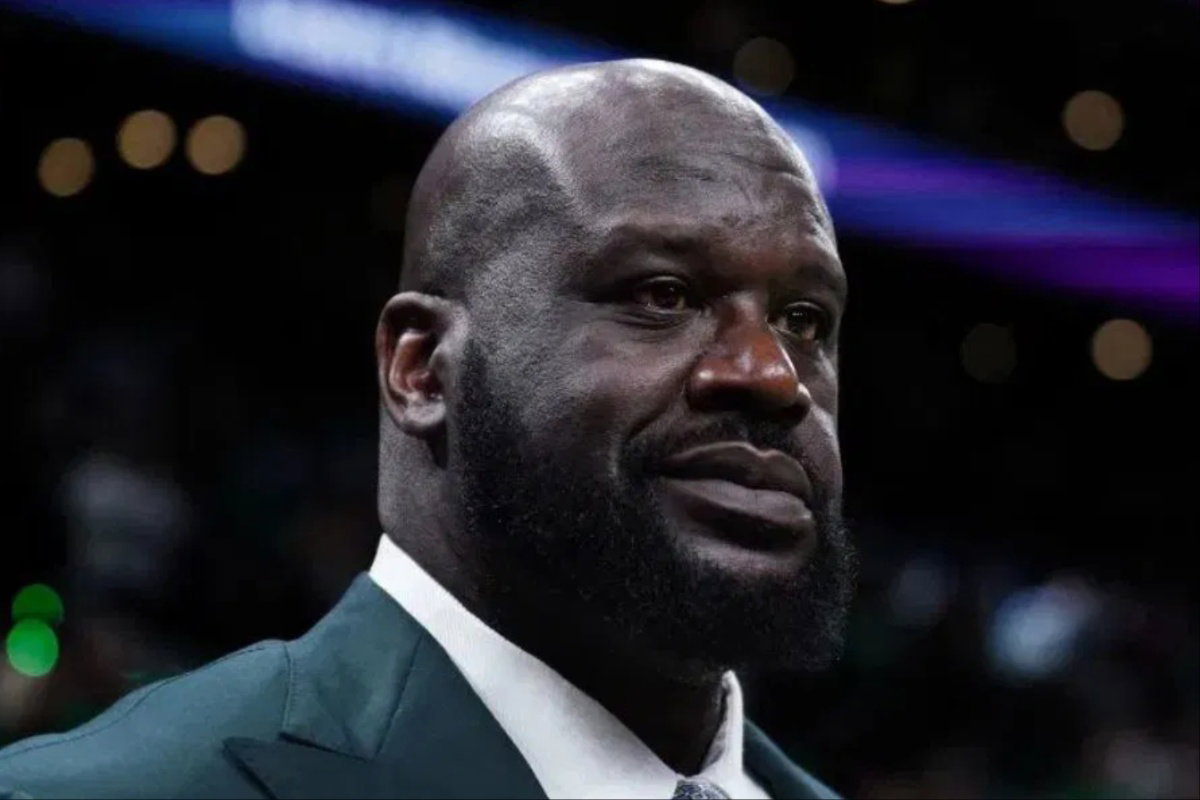
The strangest storyline from the Winter Games did not come from a medal ceremony. It came from a number. Within three days of the 2026 Milano Cortina Winter Olympics, reports revealed that 10,000 condoms had already been depleted inside the Olympic Village. The shortage was confirmed and later restocked, yet the figure itself triggered immediate skepticism from Shaquille O’Neal during a Sports Illustrated video reaction.
Watch What’s Trending Now!
“If they would have said we ran out of 7,420 condoms, I would have believed them. You ran out of 10,000 condoms in three days? That’s cap. Impossible.” Because of that reaction, the discussion shifted from the shortage to whether the math even made sense.
O’Neal tried to break down the numbers using the estimated athlete population in the village. “But I tried to do the math. How many athletes? I think they said there are 3,000 athletes. Okay, so 3,000. They ran out in three days? 10,000. So once a day. So each athlete would have to do it three times a day. That’s also cap.”
Top Stories






The IOC quota was roughly 2,900 athletes, meaning his estimate was close. Still, his point focused on logistics rather than morality. Winter sports demand recovery, balance, and precision.
View this post on Instagram
“You can’t do that and skate. Three? You’re going to do three and try to skate? Cap. You might do three and curl, you might do three and luge and lay down, but the skating and doing flips, that’s cap.”
He even extended the arithmetic. “Three times three, that’s 9,000. You still got 1,000 left. So some people got to get four in. Cap, cap, all day. Nice headline.”
However, officials confirmed the shortage was real. That left a different question. If the math looked unrealistic, where did the supply actually go?
The truth behind the condom shortage at the Winter Olympics
Free protection has been distributed at the Olympics since Seoul 1988 as part of public health efforts. The program regularly becomes a talking point, but shortages rarely appear this quickly.
Timing may have mattered this year. “Shows that Valentine’s Day is in full swing in the village, and I don’t think I can add very much more to that,” IOC spokesperson Mark Adams said.
Meanwhile, athletes themselves suggested the explanation is broader than simple usage. Some supplies leave the village as souvenirs or gifts rather than being used immediately. “Maybe taking them to give to their friends outside the Olympics. Maybe they are using them as gifts, just for fans,” alpine skier Mialitiana Clerc explained.
Because of those factors, the shortage does not strictly equal activity frequency. Distribution, timing, and memorabilia culture all influence the numbers.
O’Neal’s skepticism highlights the physical demands athletes face during competition week. The confirmed shortage highlights the social environment that surrounds the Games. Both can be true at the same time.
Written by

Edited by

Ved Vaze