
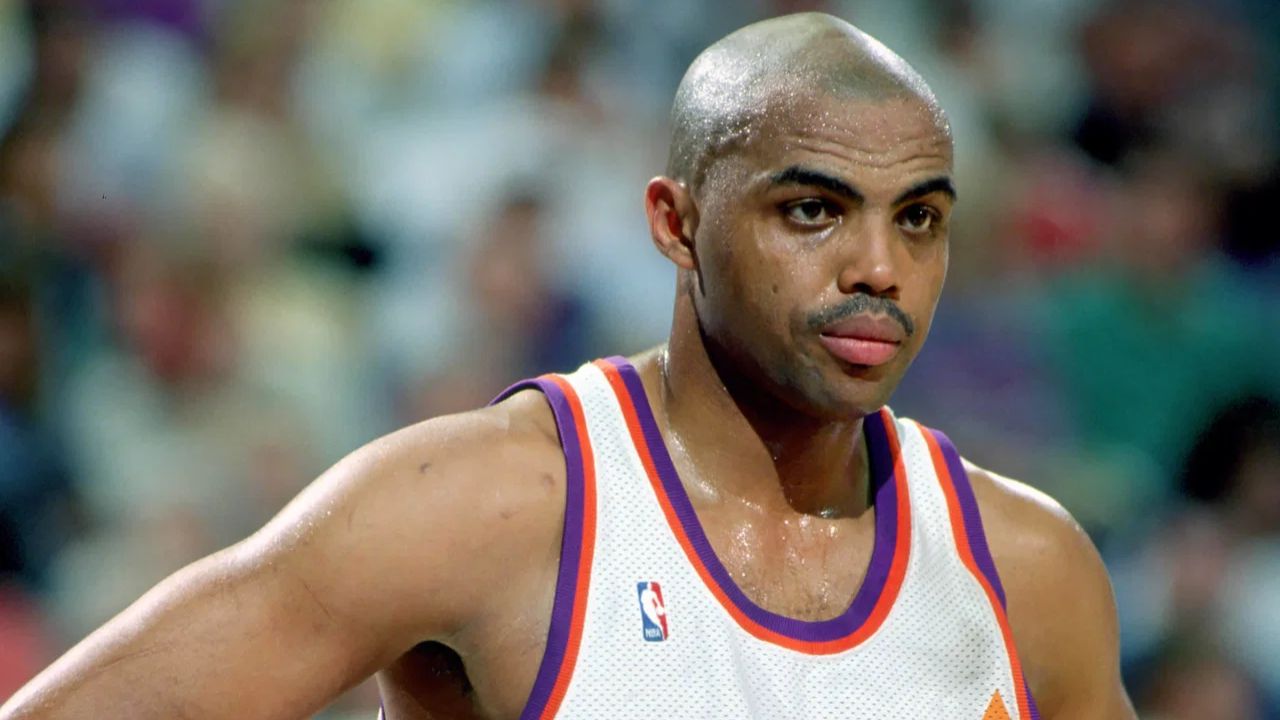
NBA Hall of Famer and smacktalking extraordinaire, Gary Payton, has thrown a direct jab at the current generation of basketball players. The Glove established his rep for verbally annihilating his opponents through his legendary rivalry with Charles Barkley. He revisited their best clash ever while pointing out a stark contrast between the relentless, psychological warfare of his era and what he considers a watered-down version of modern on-court trash talk.
Watch What’s Trending Now!
Appearing on NBA Take Two, Payton threw it back to the unforgettable clash with Charles Barkley at the Western Conference Finals of 1993, where physical presence met an unstoppable mouth.
“Well, Charles was trying to be a bully, and you know I wasn’t going to have that,” Payton recalled. “That’s the way he was. But I wasn’t backing down from anybody, and everybody knew that. Heat of the moment. I like it. I like it when we get in the heat of the moment. We going back and forth. That’s the way it was in the 90s. Then nobody really back down at each other and that’s the way we were. We was going to keep it that way. Right after that, I went right back at him again and I didn’t really care.”
When asked by the interviewer if “trash talk” was the proper definition for those legendary exchanges, the Seattle SuperSonics icon explained his and Chuck’s trash-talk was a deeper strategy that today’s stars lack.
“Yeah, that’s trash talking,” Payton said. “But I did trash talking in a different way. People now, they just yell and scream and all that stuff. That’s what the younger generation is about right now. Me, I would talk to you, your mom, your dad, your brother, your sister, the referee, the coach, whoever I would, I would talk to them. I just kept my mouth running. He talk to this person, that person, that person, that person, that person. And that’s what I was. I just was a trash talker that way. And it motivated me. And really, it got underneath a lot of people’s skin and it was really effective for me.”
Payton’s comments brings back memories of the highly volatile 1993 Western Conference Finals between his SuperSonics and Barkley’s Phoenix Suns. The seven-game series is widely remembered as one of the most physical and verbally abusive playoff matchups of the 1990s.
Led by a prime Barkley, who won the regular-season MVP that year, the Suns frequently relied on his bruising, intimidating style. Sir Charles often used hard elbows and an imposing physical frame to push his opponents and become a rebounding force.
However, the young Sonics led by the Glove and a young Shawn Kemp refused to show fear. They forced a Game 7 against a team that was leading the league in PPG.
Chuck relied on imposing physical dominance and crushing fastbreak plays to quiet opponents, going on a 16-9 run at halftime and adding another 13 points in the third quarter. He battled Payton, who routinely met Barkley at half-court to exchange fierce verbal jabs.
Chuck’s teammate, Cedric Ceballos, was amazed by the dynamic of the two players that day. “Charles Barkley took over. This is a miracle. Gary Payton stopped talking, and when Gary Payton stopped talking, you know Charles has done some work,”
Payton used an uninterrupted stream of commentary to disrupt Phoenix’s focus. Though Barkley ultimately secured a legendary 44-point, 24-rebound Game 7 performance to lift the Suns to the NBA Finals, the relentless bad blood between Payton and Barkley remains a golden standard for competitive grit.