Imago
via X (@PolymarketHoops)
Imago
via X (@PolymarketHoops)
The debate between different NBA generations has gotten a new voice. Just like the NBA GOAT debate, fans and former players have argued which generation was more competitive, with many accusing the present generation of being too soft. Days after being inducted into the prestigious Naismith Hall of Fame, Suns legend Amar’e Stoudemire explained what separated his era from today’s NBA.
Watch What’s Trending Now!
Stoudemire, on the Roommates Show with Jalen Brunson and Josh Hart, did not frame the old-school comparison abstractly, saying, “The only difference is that we were more competitive than nowadays, right?” he said at the 31:47 mark of the episode. “Like me and KG wasn’t friends, me and Tim Duncan wasn’t friends. Wasn’t like we were trying to shake hands and high-five. I’m trying to take his head off.”
Those instances were visible during the 2007 playoff series between Phoenix and San Antonio. In that game, tensions boiled over when Robert Horry had an infamous hip-check on Steve Nash, which triggered chaos and led to suspensions, including Stoudemire himself, for leaving the bench. The incident didn’t just swing the series; it showed how volatile and high-stakes those battles were, with every possession carrying playoff consequences and a personal edge.
Also, in the 2005 Western Conference Finals, Stoudemire went head-to-head with Duncan in one of the era’s defining duels. He dropped over 40 points in a single game while matching Duncan possession-for-possession. In another playoff clash, he delivered a late-game sequence in which he blocked Duncan at the rim and scored on consecutive plays, sealing a crucial win and preventing a sweep. He once labeled the Spurs a “dirty team” during that same playoff stretch. Duncan responded by doubling down on physicality, stating they wouldn’t “let people walk through us.”
The NBA, however, has evolved. Some of today’s stars grew up playing together in AAU circuits, like LeBron James and Carmelo Anthony, who met as teenagers in AAU tournaments and then built a close bond before entering the NBA (2003 draft class). Another clear example is Jayson Tatum and Bradley Beal, both from St. Louis, who played together in AAU and maintained a strong friendship into the NBA.
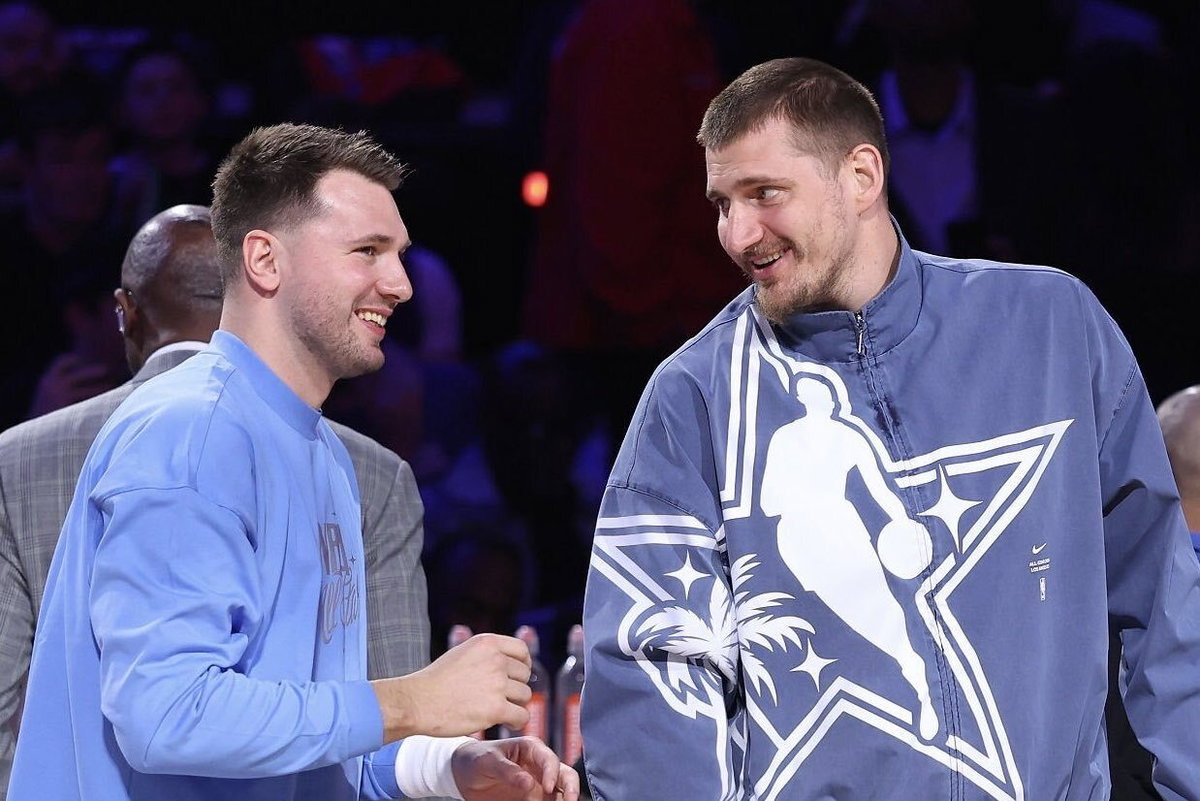
While there’s no harm in the current camaraderie, from a fan’s point of view, the game looks soft today. Even internationally, stars like Luka Dončić and Nikola Jokić show this change. They share a pretty visible mutual respect and easy rapport on and off the court, as opposed to the tough rivalries of the previous eras.
Players like James can be seen joking with rival players before and during games, and while there’s nothing wrong with that, as stated earlier, fans pay big money to see rival players rile each other, making the court look like a battlefield.
Amar’e Stoudemire’s clashes with Tim Duncan and Kevin Garnett reveal what he meant by “competitive”
During his prime, Amar’e Stoudemire frequently went head-to-head with legendary players like Duncan and Garnett. Those matchups were defined by intensity rather than mutual admiration. Those weren’t just games; they were personal tests of dominance, where respect was earned through performance, not friendship.
His clashes with Duncan’s Spurs, in particular, became a defining feature of the mid-2000s NBA landscape. He described it, saying: “It wasn’t like we were enemies now, but after the game, we were all dapp it up and say good game and have good sportsmanship. But once we cross the lines, it was it was it was a battle, you know.”
USA Today via Reuters
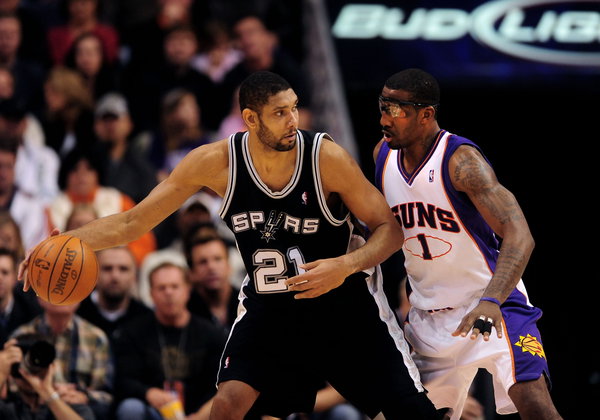
Dec. 15, 2009; Phoenix, AZ, USA; San Antonio Spurs forward (21) Tim Duncan drives to the hoop under the defense of Phoenix Suns forward (1) Amare Stoudemire in the second half at the US Airways Center. The Suns defeated the Spurs 116-104. Mandatory Credit: Mark J. Rebilas-USA TODAY Sports
Stoudemire’s battles with Duncan, in particular, defined an era where individual brilliance met structured dominance. Across 55 matchups (regular season and playoffs combined), Duncan’s Spurs held the edge 31-24, but he consistently pushed back with his explosive scoring and physical play, turning every meeting into a test of will as much as skill.
Against Garnett, the dynamic also favored KG (23-12), but it remained just as intense. The Timberwolves legend was known for his relentless trash talk and psychological warfare. He approached matchups with the same edge Stoudemire described, seeking to break opponents mentally as much as physically. That environment left little room for friendship, reinforcing a culture where respect was earned strictly through performance.
Stoudemire enters the Hall of Fame as the first inductee to carry the full story of that Suns era to Springfield. He averaged 18.9 points and 7.8 rebounds per game over 14 seasons, won Rookie of the Year in 2003, made the All-NBA First Team in 2007, and built his peak against the players he named in this conversation.
Whether the modern NBA’s more connected, friendship-first culture produces better players, better outcomes, or a worse product is a debate the old guard has been having for years. Stoudemire just made the most vivid case for his side of it.
Written by

Edited by

Suyashdeep Sason