
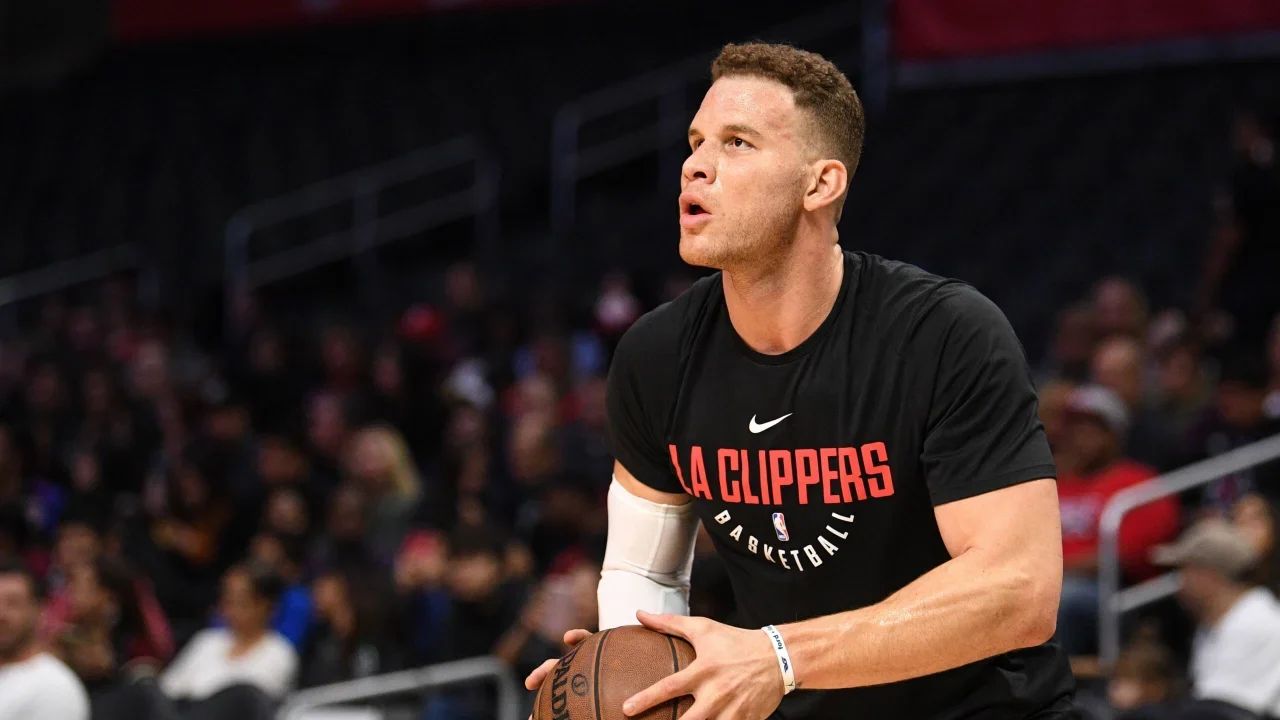
When professional athletes begin peeling back the curtain on stadium financing, the conversation usually shifts from civic pride to fiscal reality. For Oklahoma City native Blake Griffin, the dilemma surrounding the Thunder’s massive new arena deal hits entirely close to home. Speaking candidly on his YouTube show, The Stepback with Blake Griffin, the former NBA star reflected on his lifelong connection to the franchise and the bitter pill local taxpayers were asked to swallow.
Watch What’s Trending Now!
Griffin recalled the sheer excitement when the franchise first arrived in Oklahoma City, noting the fierce pride fans hold for the team. Yet that very pride became the vehicle for a controversial financial agreement.
“I grew up in Oklahoma City, born and raised, and when we got the Thunder, it was super exciting,” he opened with on a tough conversation about ‘subsidized stadiums.’ “And fans are obviously crazy about them. It’s a great team with a recent championship and a ton of pride. So much pride that the people of Oklahoma voted to pretty much buy the organization a new arena, spending $850 million of taxpayer money while the owners are chipping in $50 million.”
Public funds cover approximately $850 million of the roughly $900 million project, with Thunder ownership contributing $50 million.
The fiscal structure of the project has drawn sharp criticism from public finance experts, with one economist labeling it one of the worst stadium deals for taxpayers in modern sports history. Despite the staggering public contribution, Griffin highlighted the psychological trap facing local supporters who feel powerless to object.
“But what choice do fans really have?” Referencing the history of how the Oklahoma City Thunder came to be, he grimly reminded, “They know that the alternative is to lose the team and watch Shai [Gilgeous-Alexander] play basketball for the Wichita Thunder. Oklahoma City has the Thunder because Seattle refused to build the Sonics a new arena, and those taxpayer dollars could go to a lot of things.”
Griffin also pointed to the stark contrast in his home state’s public funding.
“Oklahoma ranks 45th in starting teacher pay. Which matters to me because both my parents were teachers. And now they’re paying for that stadium.”
Oklahoma ranked 48th in starting teacher pay per the most recent NEA data for 2024-25; it had ranked 45th the prior year.
Though he joked, “Well, not just the two of them, but yeah,” he echoed the longstanding frustration fans have had over their beloved sports team being used as leverage against them.
“But fans feel hamstrung having to pay billions of dollars to keep the teams they love.”
This is not a new thing, not even in the NBA. In recent history, the Trail Blazers organization and Portland officials were in a standoff over Moda Center renovations where fears of relocation loomed.
Griffin’s frustration echoes a long-standing debate among economists who study stadium financing. One of them is JC Bradbury, the author of This One Will Be Different: False Promises and Fiscal Realities of Publicly Funded Stadiums and a thorn in franchise owners’ side. He has called one publicly funded stadium deal particularly bad, comparing it unfavorably to deals such as the Atlanta Braves’ stadium fiasco.
“The Oklahoma City Thunder one I think is really bad because not only are they funding $850 million of what’s supposed to be a $900 million project, they’re going to cover all the cost overruns.”
Bradbury dismantles the common narrative that stadiums spur vibrant economic growth. He explains that consumer spending at arenas typically represents a reallocation of local money rather than brand-new economic activity, as fans simply redirect funds they would have spent elsewhere in the community.
Despite overwhelming academic consensus, cities continue to approve massive subsidies out of fear and competitive pressure. Where other fanbases tend to haggle over public funding for arenas, OKC approved of it in 2023, two years before the championship, with exceptional desperation. Oklahoma City Mayor David Holt defended the city’s approach last year.
“Cities like ours never have leverage in these situations,” he told Front Office Sports in 2025, before the decisive Game 7 of the NBA Finals. “We in Oklahoma City haven’t had the team long enough to forget what it was like before we had the team.”
Because OKC lacks the market size, local leaders felt compelled to secure a long-term commitment from ownership or risk losing the franchise entirely. Under the approved ballot measure, 71% of voters opted to extend an existing sales tax to cover $850 million of the $900 million project, locking the Thunder into the city through at least 2053, while ownership contributes a modest $50 million.
Sports economists point out that while the share of public funding in Oklahoma City far exceeds the modern NBA average of roughly 40%, this dynamic reflects a broader nationwide trend. Teams possess mobility and alternative markets, leaving municipal leaders trapped in negotiations where saying no carries an unacceptable political cost.
As Griffin aptly highlighted, when communities are backed into a corner, they are left to ask a difficult question about whether public funds belong in classrooms or luxury suites.