
Sophie Cunningham has never been one to stay quiet when it comes to topics she cares about. And she has made it clear she cares about trans people. But she also made her point clear: they still don’t belong in a league created for women. Now, while there are no active trans players in the league (two former WNBA players, Asia Durr and Layshia Clarendon, are nonbinary but recognized females at birth), the league is surrounded by the noise of why this should even be a question. Expectedly, it is polarizing everyone.
Watch What’s Trending Now!
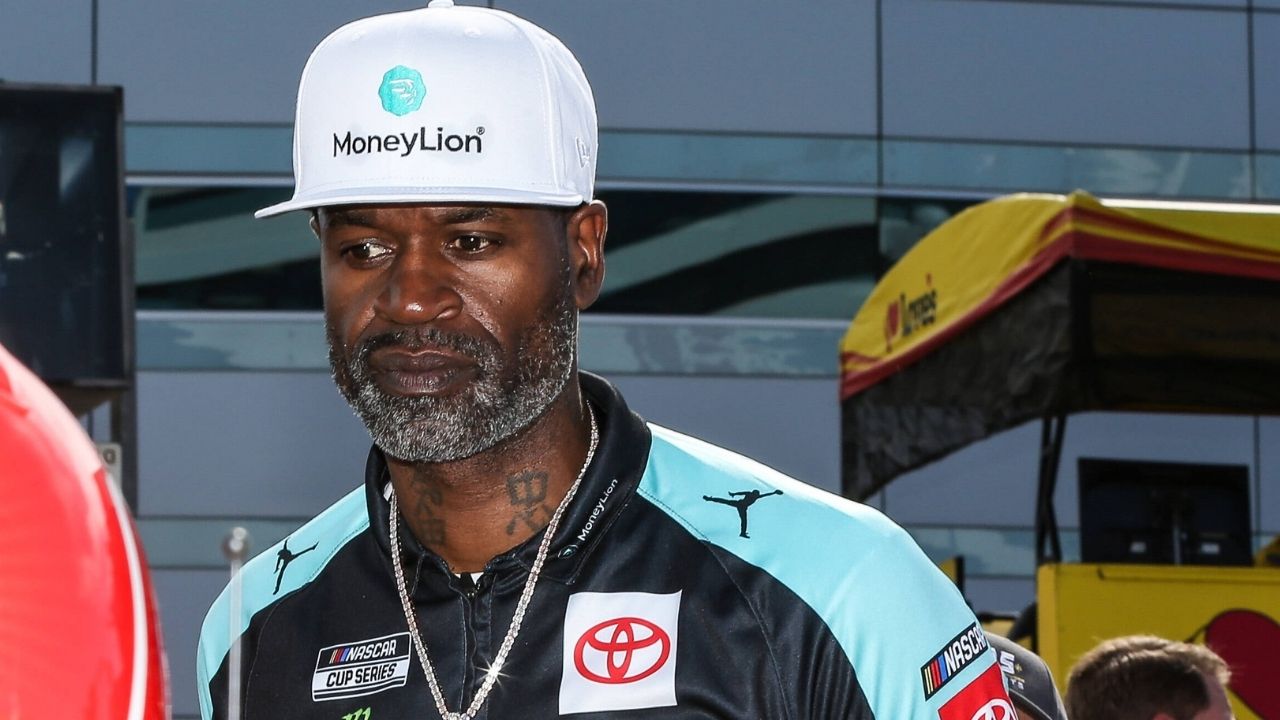
The latest to join the debate was former NBA player Stephen Jackson, who promptly took Cunningham’s side. However, as former Indiana Fever player and WNBA veteran Sydney Colson sees it, that’s not the only thing he is doing.
“Stephen Jackson. I don’t know what the issue is with him. I don’t know why you felt the need to come into my comment section when you don’t follow me to, like, incite transphobia, but it’s super scary,” Colson said on ‘Unsupervised with Syd & TP’ alongside co-host Theresa Plaisance. “I went on your page to see your dumb takes and, just trying to figure out your overall logic, and it’s super embarrassing. And that is why I put you on my story calling you a loser and also DMed you.
“It’s wild to me for somebody like you, who was protesting their friend dying at the hand of state violence, and those same people that perpetrate state violence are the same ones pushing this agenda and pushing this fear-mongering of transphobia.”
Apparently, Colson had previously posted on her Instagram account, sharing her thoughts on the topic when Jackson found his way into her comments section. Stern in his belief, he did not hold back:
“Let the gay women that wanna play with trans start their own league. Leave the WNBA alone,” Jackson commented. “Women’s National Basketball Association. The world has lost common sense.”
The sharpest part of Colson’s response, however, focused on Jackson’s history as an activist.
Jackson and George Floyd became friends growing up in Texas, and the NBA star called him his twin. After he died in 2020, Jackson did not hold back in protesting against the violence and injustice. But that was exactly where Colson’s concern came in.
She accused Jackson of aligning himself with fear-based narratives while offering no substantive argument about the issue.
“Y’all don’t even actually have a point,” the WNBA veteran said.
For Colson and Plaisance, the issue was therefore larger than one Instagram comment. They viewed Jackson’s decision to enter Colson’s comments as an attempt to inject an outside political fight into a league whose players are already navigating intense scrutiny. But this wasn’t the first time that Jackson opened up on the topic.
“I got daughters. I played basketball at the highest level,” Jackson posted on his social media earlier this week. “There’s no woman that could ever play in the NBA because it’s men. No men should belong in women’s sports.
“You’re tryna make it about Enes Kanter? He’s protecting the women. I got daughters and other fathers have got daughters that agree with me. We don’t want no men in women’s sports. This is clown shit.”
That dynamic matters because Jackson is not an anonymous social media user. His history with the NBA and his public activism give his opinions a larger platform.
The confrontation also arrives while the WNBA faces a separate and increasingly contentious dispute over transgender eligibility.
Enes Kanter Freedom keeps the WNBA Debate alive
The transgender eligibility debate is live largely because of one man. While noise erupts away from the court, Enes Kanter Freedom got closer.
Former NBA player Enes Kanter Freedom has attempted to turn that debate into a direct challenge to the league, announcing plans to enter the 2027 WNBA Draft. Freedom argued that the league’s eligibility language contains a loophole.
He later said he would abandon his draft push if the WNBA changed its eligibility language. He suggested adding the word “biological” to Article 13, Section 1.
The controversy moved beyond social media when Freedom was ejected from a Chicago Sky game, where he wore a black T-shirt that read: “Women: Adult Female.” Following a confrontation involving Natasha Cloud, he subsequently received an indefinite ban from the team’s home games.
Freedom has since demanded answers from WNBA Commissioner Cathy Engelbert for an explanation for his removal, an investigation into Cloud’s conduct, a refund for his courtside tickets, and preservation of relevant evidence.
Meanwhile, the league has rejected the broader draft campaign and characterized the stunt as an attempt to provoke controversy. Freedom remains ineligible for the WNBA Draft under the league’s current position.
That leaves the WNBA facing pressure from multiple directions. Colson’s confrontation with Jackson is a player pushing back against what she considers harmful rhetoric. Meanwhile, Freedom’s campaign continues to challenge the league’s policies from outside it.
For now, the fight does not appear close to disappearing. And with the gender-eligibility debate continuing to generate political and legal pressure, more clashes between WNBA figures and outside voices are likely to follow.