
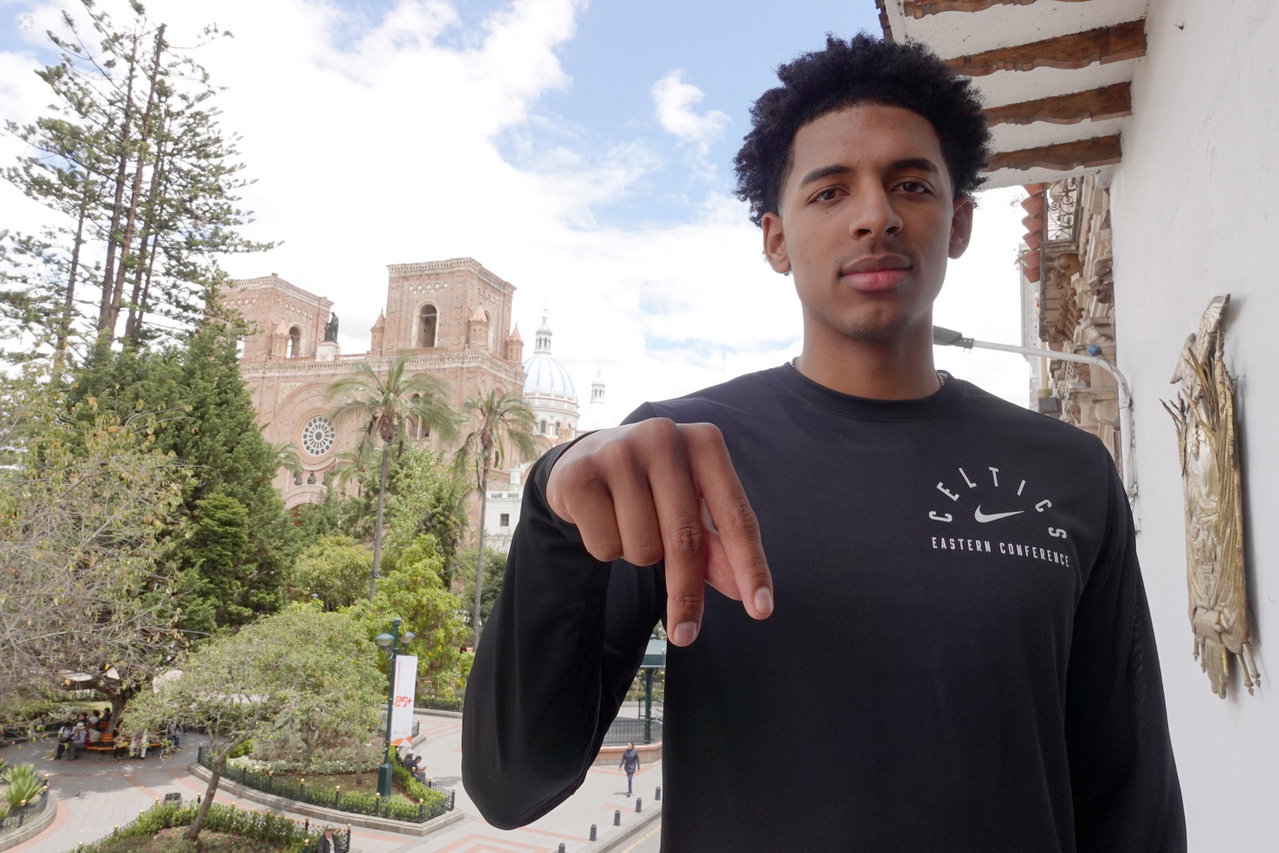
LSU thought it had finally cleared the biggest obstacle standing between RJ Luis Jr. and his return to college basketball. After a Louisiana court ruled in favor of the guard, the SEC also assured the university that it would not interfere with the Tigers adding him to the roster. But that doesn’t mean that LSU’s decision to go ahead with this move had gone down well with the conference.
“LSU’s decision today to rely on its own interpretation of the Court’s order to justify its actions is inconsistent with the expectations and responsibilities of membership in the Southeastern Conference,” the SEC said in a statement posted to X by CBS News reporter Jon Rothstein.
“This a deeply concerning and disappointing development. The Conference will continue to uphold and defend the standards and policies established by its member universities.”
The SEC’s statement, while critical, was delivered in formal language typical of conference governance disputes, not a public rebuke. It follows LSU officially adding Luis to their roster on November 17 and a statement from the university’s president regarding this decision.
“LSU is committed to compliance with NCAA and SEC rules, but it is equally committed to obeying the orders of Louisiana’s courts,” president Wade Rousse wrote.
“On November 13, 2026, the court entered an injunction that prohibits the conference, and those in active concert or participation with it, from ‘refusing to allow RJ Luis, Jr. to be a member of the LSU men’s basketball team and to practice, participate, and compete with the team throughout the 2026-27 season.’”
The situation began in 2025. Luis, who had played at UMass and St. John’s, had just finished an outstanding collegiate season, averaging 18.2 points and 7.2 rebounds per game while being named Big East Player of the Year and winning the conference title.
Following this, he declared for the 2025 NBA Draft, but went undrafted and signed a two-way deal with the Utah Jazz. He was then traded to the Boston Celtics, playing three preseason games but failing to get any burn in a regular-season NBA game.
Ahead of the 2026-27 season, he had tried to join the LSU Tigers, but the NCAA had blocked him, citing his pro contracts. He challenged their ruling in a Louisiana court, and in August 2026, he was given a preliminary injunction against the NCAA, which prevented them from declaring him ineligible.
However, the SEC still stood in the way, maintaining an objection under its own eligibility rules. On November 13, a Louisiana court issued another preliminary injunction, preventing the SEC from blocking the Tigers.
Following the ruling, on November 16, the SEC released a statement in which it expressed that it would let LSU add Luis to the roster.
“The SEC will abide by the terms of the preliminary injunction while it remains in place and will not impose penalties or fines on LSU if it places Mr. Luis on its men’s basketball roster,” the statement read.
The SEC’s latest response to the Luis addition ensures that the debate remains unresolved. For now, Luis can compete with the Tigers, but the disagreement between the two sides could have consequences well beyond his individual eligibility case.