Imago
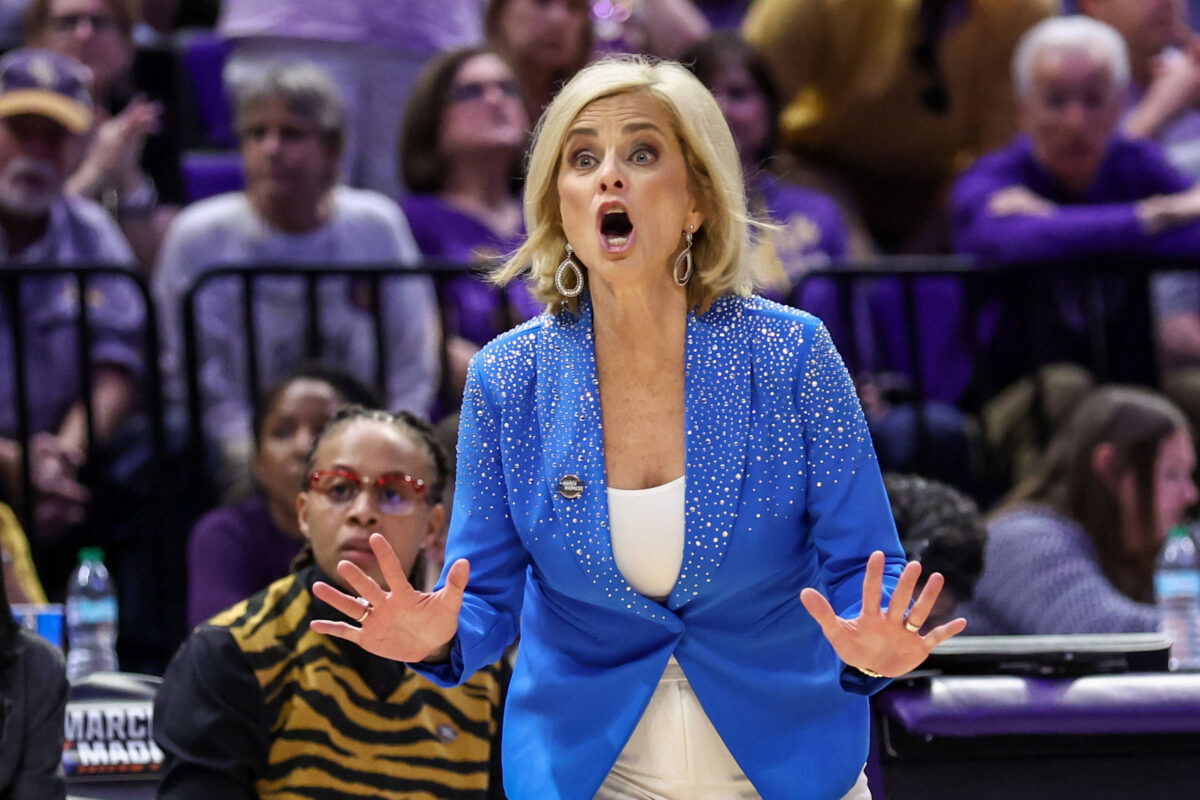
NCAA, College League, USA Womens Basketball 2025: Florida St. Vs LSU MAR 24 March 24, 2025: LSU Head Coach Kim Mulkey calls in a play during second round action of the NCAA Women s March Madness Tournament between the Florida St. Seminoles and the LSU Tigers at the Pete Maravich Assembly Center in Baton Rouge, LA. Jonathan Mailhes/CSM Credit Image: Â Jonathan Mailhes/Cal Media Baton Rouge La USA EDITORIAL USE ONLY Copyright: xx ZUMA-20250324_zma_c04_036.jpg JonathanxMailhesx csmphotothree368649
Imago
NCAA, College League, USA Womens Basketball 2025: Florida St. Vs LSU MAR 24 March 24, 2025: LSU Head Coach Kim Mulkey calls in a play during second round action of the NCAA Women s March Madness Tournament between the Florida St. Seminoles and the LSU Tigers at the Pete Maravich Assembly Center in Baton Rouge, LA. Jonathan Mailhes/CSM Credit Image: Â Jonathan Mailhes/Cal Media Baton Rouge La USA EDITORIAL USE ONLY Copyright: xx ZUMA-20250324_zma_c04_036.jpg JonathanxMailhesx csmphotothree368649
Kim Mulkey is a traditional coach in a time of modernization. In a landscape where players are changing schools every year, going for that NIL money, Mulkey is appealing for consistency. NIL has made it difficult for her to retain players. Which is why she appreciates Flau’jae Johnson so much. “In this day and age, it’s she who stayed four years. She makes unbelievable money but not off of LSU,” Mulkey said. However, a recent coaching change at South Carolina alerted Mulkey of a major shift for her as well.


South Carolina fired their baseball coach, Paul Mainieri. Mainieri coached LSU from 2007 to 2022 winning the 2009 College World Series and 6 SEC tournaments. But he couldn’t get it done at South Carolina, finishing with a 28-29 record at the Gamecocks. His exit signals something much more for Kim Mulkey.
Watch What’s Trending Now!
“With everything that’s going on with the portal, NIL money, your athletic directors and your administrators better understand what’s really going on out there and be very fair in what you think is a good season,” Mulkey told the media.
With the advent of NIL, it’s clear the coaches should be judged differently now that money plays such a big part in building a program. For example, The Tigers spent $11.87 million on women’s basketball in the 2023-24 season, according to a report from Sportico, while the Huskies’ expenses totaled $11.86 million. On the other hand, teams like Ivy League’s Princeton spent just $1.7 million.
This is a major resource gap and the management can’t expect coaches to get results with such a disadvantage. However, Mulkey pointed out another confusion the portal era is causing apart from just the investment.
“I’m not sure how many are involved in portal discussions with coaches or involved too much in NIL discussions with coaches,” She said. “I would think their deputy assistants are. It’s tough. And then when you deal with athletics now and their public institutions, how much power does an AD even have anymore? Who rules their world? That’s a scary thought as well.”
Imago
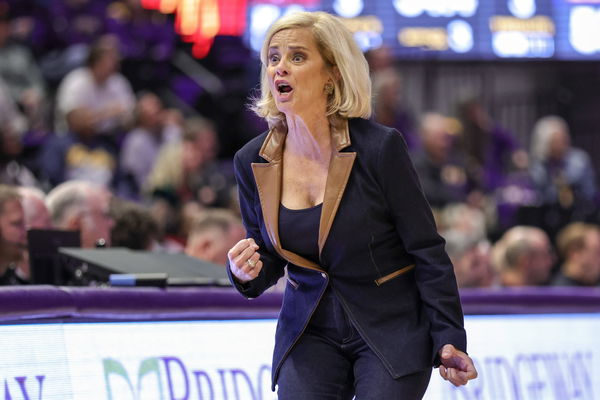
NCAA, College League, USA Women s Basketball 2024: Stanford vs LSU DEC 05 December 05, 2024: LSU Head Coach Kim Mulkey yells to the bench during NCAA Women s Basketball game action between the Stanford Cardinals and the LSU Tigers during the SEC/ACC Challenge at the Pete Maravich Assembly Center in Baton Rouge, LA. Jonathan Mailhes/CSM Credit Image: Jonathan Mailhes/Cal Media Baton Rouge La USA EDITORIAL USE ONLY Copyright: xx ZUMA-20241205_zma_c04_170.jpg JonathanxMailhesx csmphotothree329854
The transfer portal has multiple stakeholders. The coach who actually has to play with the prospect, the boosters and the NIL collectives who are investing the money, the Atheltic Directors and the staff in charge of the budget. There is no clarity on who has the strongest voice in the room. No clear hierarchy.
The players also have the leverage, considering the increased investment means they have many other options as well. They can leave a team any time without the veto power of a coach. That makes planning very difficult and the coach requires a good communication line with each player. The confusion causes the team to be compromised and in the end, it is the coach under the hammer.
Kim Mulkey Calls for Loyalty in the NIL Era
Kim Mulkey also talked about her son, Kramer Robertson, while addressing Paul Mainieri, who played baseball for LSU under him. Mulkey mentioned how he started behind Alex Bregman in the team under Manieri. He had to undergo some tough times as a second choice but never wavered from his goal. He stayed at the program for all four years and was drafted at No. 4 by the Cardinals.
“I think the lesson that Kramer can send to all athletes is the same lesson Flau’jae Johnson can send. He stayed four years at the same school. He took those tough lessons and he became a two-time All-American at shortstop here and played for a natty.” Mulkey said,”He did it the right way.”
Just like Robertson, Johnson had a chance to get drafted last year. However, she returned for one final National Championship run. Now, she will play her final game at Baton Rouge after forming close relationships with the community and the program. “I just miss seeing those types of athletes stay four years and show commitment and loyalty,” Mulkey said.
These kinds of players will get rarer with time as money flows into college basketball. In 2025-26, approximately $932.5 million was spent on NIL for men’s and women’s basketball, according to a study from Opendorse. For context, the number was $314.4 million back in 2021 when NIL began. It’s a drastic change but one Mulkey has to live with.
