Imago
Credit: IMAGO
Imago
Credit: IMAGO
Imago
Credit: IMAGO
Imago
Credit: IMAGO
The reaction wasn’t performative. It wasn’t heat-of-the-moment frustration either. This time, the message carried weight because it came after the same problem surfaced twice and in games that were supposed to say something about who USC really is.
Watch What’s Trending Now!
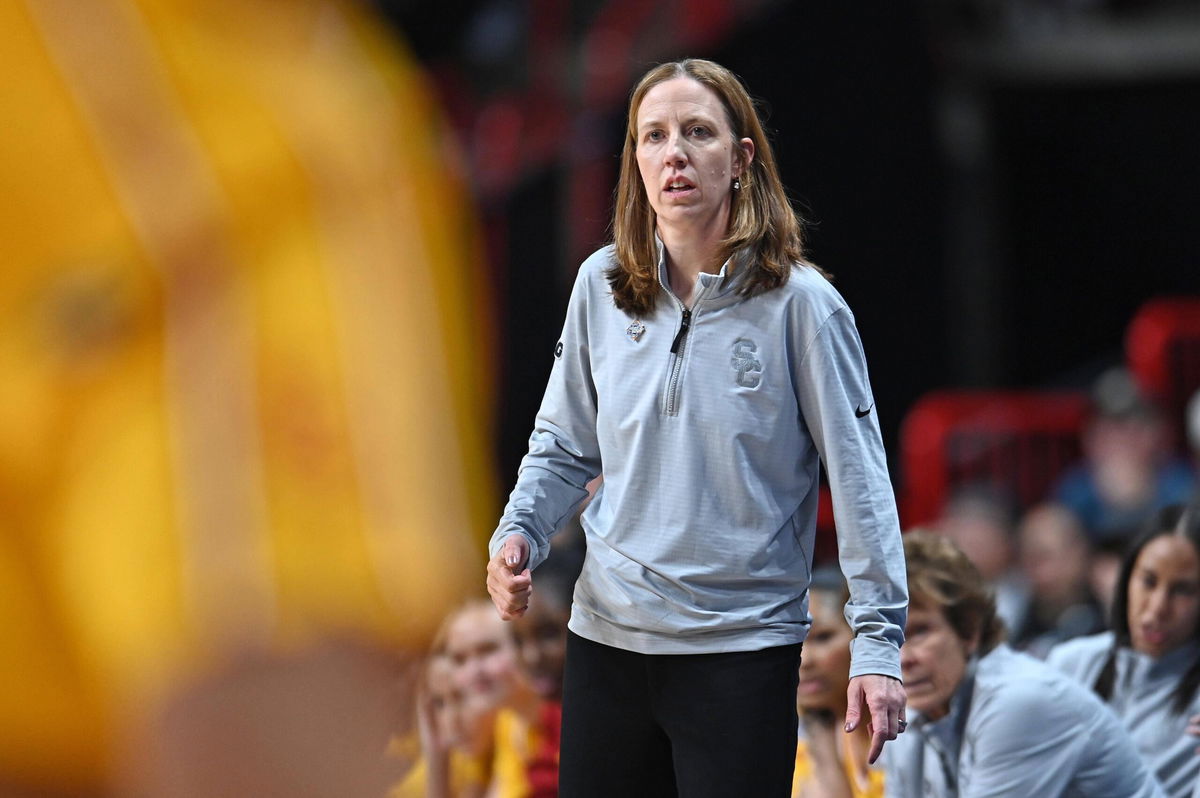
That’s why Lindsay Gottlieb didn’t mince words after USC’s latest loss. Back-to-back conference defeats didn’t just dent the Trojans’ record. They forced an uncomfortable look inward, right into a locker room that suddenly didn’t resemble the standard she’s spent years building.
USC’s slide began with an emphatic 80–46 loss to the UCLA Bruins, a rivalry game that was over well before the final buzzer. The margin stung, but Gottlieb was far more bothered by how quickly her team conceded control.
“I thought we didn’t compete well enough at all,” Gottlieb said after the loss. “Forget the score. They’re good. But we didn’t compete.”
That wasn’t just postgame frustration. It was a warning. USC had three days to respond, regroup, and prove that effort, not embarrassment would define them moving forward.


Instead, the same issues followed them home.
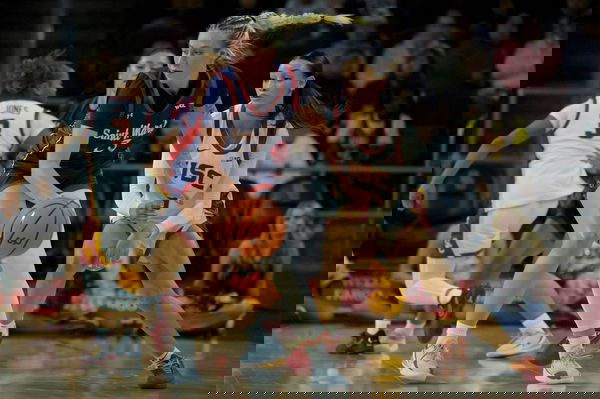
On Tuesday night, USC fell 71–66 to the Oregon Ducks, blowing a late lead in a game they controlled for most of the night. Two losses. Same concerns. And now, no hiding from the pattern.
The Oregon loss cut deeper because it unfolded entirely on USC’s terms until it didn’t. The Trojans entered the fourth quarter with a double-digit lead and were still up nine with under five minutes remaining.
Then the offense stalled. Defensive urgency dipped. Oregon seized momentum, while USC struggled to steady itself.
Gottlieb’s assessment afterward was blunt and deliberate.
“We came out like we’d arrived, like we had it in the bag,” she said. “We were too casual. It was gross in every way how we handled the lead and how we handled it when they were cutting into it.”
That wasn’t about one bad possession or a missed shot. It was about mentality. USC didn’t lose because of talent. They lost because they stopped playing with the edge.
What went wrong for USC and Lindsay Gottlieb vs Oregon
USC was without one of its most reliable defenders, Kennedy Smith, who missed the game due to a lower-leg injury. Her absence showed, especially late, when Oregon found driving lanes and created cleaner looks.
Still, Gottlieb didn’t frame the loss around availability. The message was clear: leadership and competitiveness can’t disappear when circumstances change.
Freshman star Jazzy Davidson once again carried a heavy load offensively, but even elite talent has limits when execution breaks down late. Oregon exposed that reality by forcing tough possessions and capitalizing on every USC mistake during the closing stretch.
The collapse wasn’t random. It was earned.
Imago
Credit: IMAGO
This is unfamiliar territory for USC. The Trojans hadn’t dropped consecutive games since January 2024, and certainly not in a way that raised questions about internal standards.
At 10–5 overall and 2–2 in Big Ten play, the season isn’t slipping away. But the margin for complacency is gone. Conference play doesn’t allow extended learning curves, and Gottlieb knows that effort lapses tend to snowball if they’re not confronted early.
That’s why her frustration went beyond strategy. This was about accountability inside the locker room, about whether the group understands what it takes to win when the stakes rise.
USC doesn’t need a reset. It needs a response.
The pieces are still there. The expectations haven’t changed. But talent alone won’t protect leads or close games in the Big Ten. Those moments demand poise, discipline, and a competitive edge that doesn’t flicker when momentum shifts.
Gottlieb made it clear where she stands. The message has been delivered. What happens next will determine whether these losses become a blip or the start of something USC didn’t see coming.