Imago
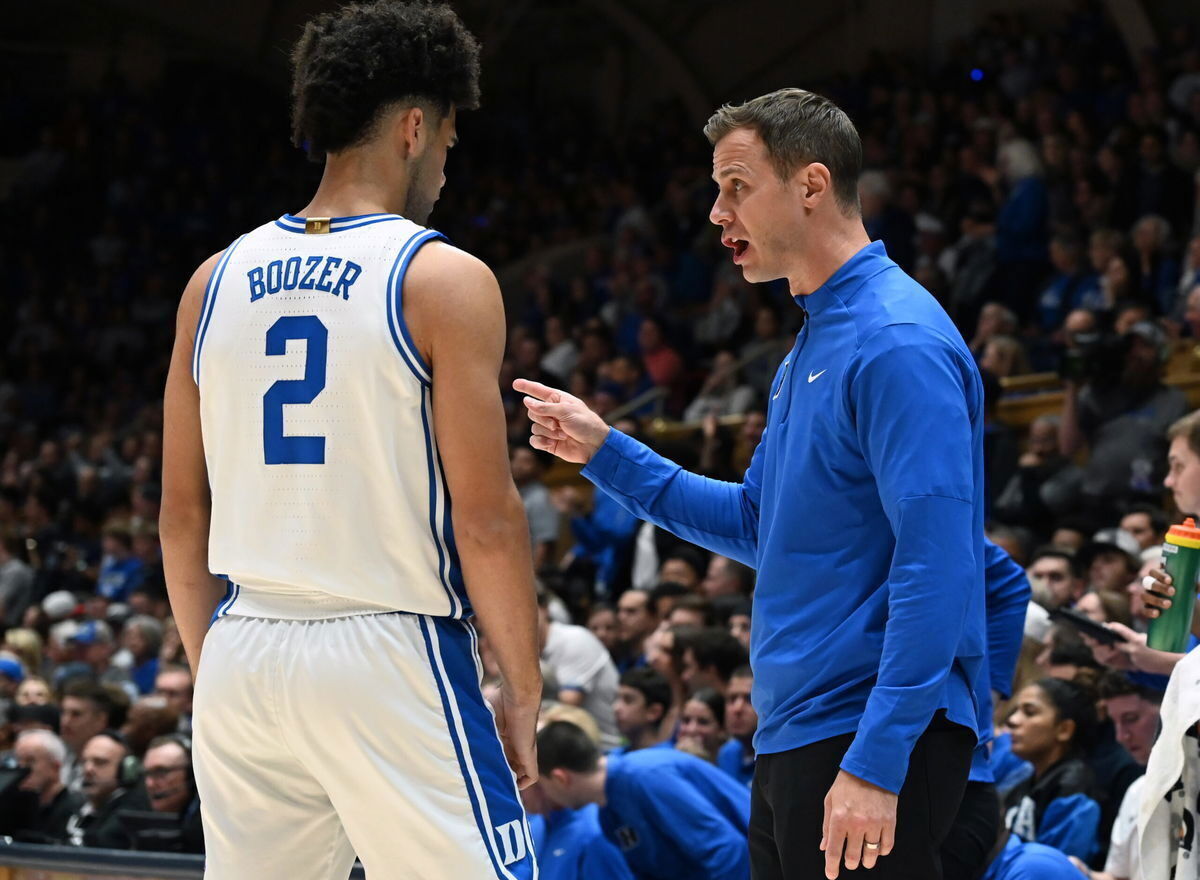
Nov 14, 2025; Durham, North Carolina, USA; Duke Blue Devils guard Cayden Boozer (2) takes direction from head coach Jon Scheyer during the first half against the Indiana State Sycamores at Cameron Indoor Stadium. Mandatory Credit: Rob Kinnan-Imagn Images
Imago
Nov 14, 2025; Durham, North Carolina, USA; Duke Blue Devils guard Cayden Boozer (2) takes direction from head coach Jon Scheyer during the first half against the Indiana State Sycamores at Cameron Indoor Stadium. Mandatory Credit: Rob Kinnan-Imagn Images
The margin for error is shrinking for Duke, even with an undefeated conference record no longer intact. On Saturday night, the Blue Devils walked into Chapel Hill with a perfect 10–0 ACC mark and walked out with their first conference loss. Duke led by double digits, controlled the pace early, and still left stunned after a buzzer-beater flipped the rivalry game on its head. As the smoke cleared, one concern followed Duke off the floor, and it had nothing to do with effort or talent.


It was about dependence. Duke carried a 12-point lead into halftime against North Carolina and looked comfortable for long stretches. However, the Tar Heels chipped away possession by possession, eventually tying the game in the final seconds before Seth Trimble buried a three at the horn to seal a dramatic home win.
Watch What’s Trending Now!
The moment was electric. The takeaway for Duke was sobering. Cameron Boozer logged 38 minutes in regulation, a number that immediately stood out given the stakes and timing of the season. With Duke struggling to create clean looks late, nearly every crucial possession flowed through Boozer. That pattern has now become difficult to ignore.
On Field of 68: After Dark, co-founder Rob Dauster addressed what he sees as a growing limitation in Duke’s offense as March approaches. “When you look at what happened with this game, and you look at what happened with Texas Tech, there are very real questions about the ability to get shots out of something other than, ‘We’re going to run this through Cam Boozer,’” Dauster said. “I think that is a little bit limiting when it comes to this Duke team.”
The point was not criticism of Boozer. It was concern about predictability. Duke’s earlier loss to Texas Tech followed a similar script, with late-game possessions stalling once opponents loaded up on Boozer. Against North Carolina, the same issue resurfaced under maximum pressure.
Boozer’s numbers explain why the ball keeps finding him. The 18-year-old is one of the leading scorers in the country and remains elite on both ends of the floor. He is averaging 32.7 minutes per game and is converting 57.6 percent of his field-goal attempts this season.
Still, usage matters. Against North Carolina, Boozer rarely left the floor, and Duke struggled to generate comfortable offense when defenses collapsed on him late. That reliance is manageable in February. In March, it becomes a scouting report.
To his credit, Jon Scheyer was praised by Dauster as one of the best young coaches in the sport, with legitimate NBA potential down the line. However, the analyst also made clear that Duke cannot afford to squander double-digit leads once tournament margins replace regular-season cushion.
Jon Scheyer needs Isaiah Evans to find his shooting boots again
If Duke is going to diversify late-game offense, the answer may already be on the roster. Isaiah Evans was a major factor during Duke’s 10–0 conference start. His perimeter shooting repeatedly punished ACC defenses, and he entered February hitting nearly 39 percent from three against league opponents.
That rhythm has faded. Over the last five games, Evans is just 6-of-28 from beyond the arc, a slump that has compressed the floor for everyone else. Against North Carolina, he finished with 11 points on 4-of-14 shooting and made only one of four attempts from deep.
That decline matters. When defenses do not respect the perimeter, Boozer sees extra bodies, fewer driving lanes, and tougher late-clock situations. An outside threat changes all of that.
Duke remains one of the most talented teams in college basketball, and Boozer’s rise into a top 2026 NBA Draft prospect is fully justified. However, March does not reward predictability.
Scheyer’s challenge over the next few weeks is not reducing Boozer’s role. It is expanding everyone else’s. Finding reliable late-game options, especially from Evans, will determine whether Duke’s offense scales under tournament pressure or stalls the same way it did in Chapel Hill.
The loss to North Carolina did not expose a fatal flaw. It exposed a warning sign. And with March approaching fast, those are the signals coaches take seriously.
Written by

Edited by

Ved Vaze