Imago
via Imagn Images
Imago
via Imagn Images
Even before NCAA basketball fans were done processing the James Nnaji eligibility decision, they found themselves staring at another reality check, where the lines around who can return to the college game have been blurred again. But this time, it came through the courts.
Watch What’s Trending Now!
As per the latest updates, Charles Bediako is set to take the floor for the Alabama Crimson Tide against Tennessee on Saturday, and his return has already sparked panic at the highest levels of the sport. Just think about it, a former G League player coming back to college basketball? That isn’t just rare, it’s disruptive enough that the National Association of Basketball Coaches (NABC) had to call an emergency meeting with NCAA officials.
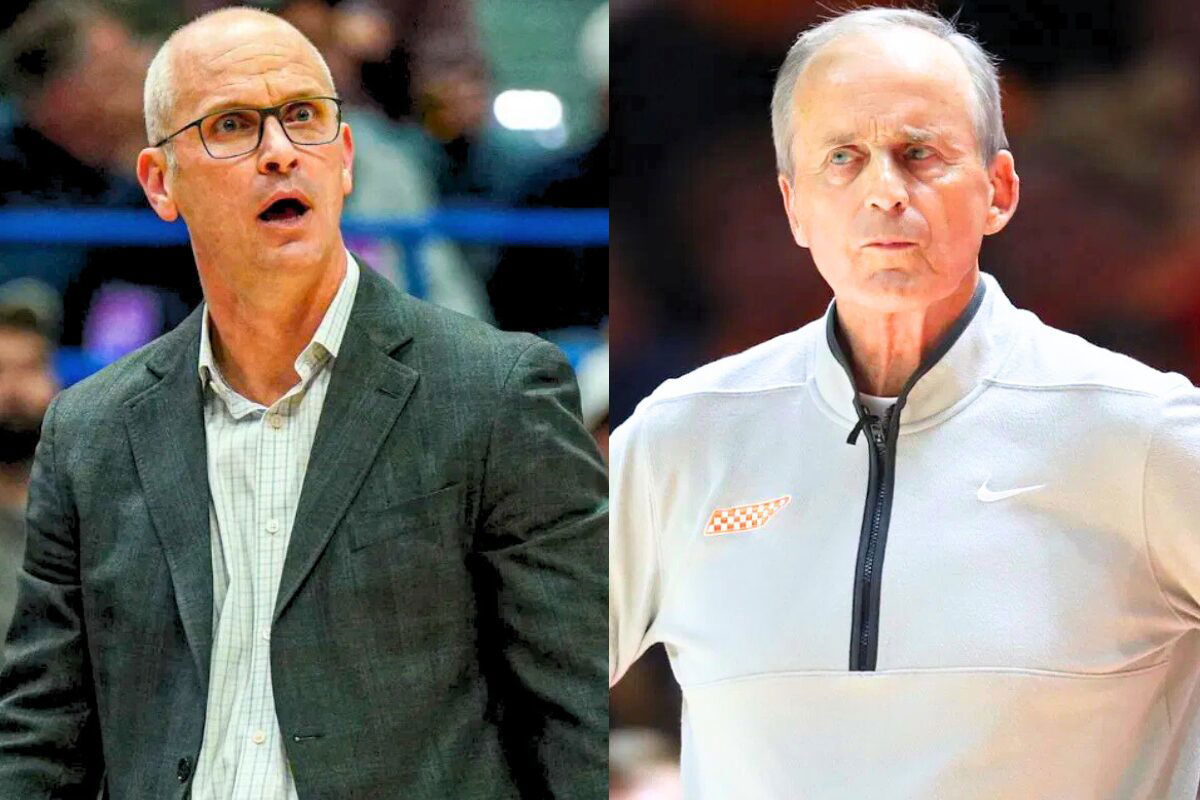
However, the Tuscaloosa County Circuit Court has allowed the 7-foot player to immediately return to the Crimson Tide and participate in practices and games as they get ready to play the Volunteers in less than 24 hours. And understandably enough, the Vols head coach, Rick Barnes, is not all for it. For him, eligibility isn’t something that should be revisited once a player decides to leave college basketball behind.
ADVERTISEMENT
“To me, it’s simply everybody comes to college, and they have college eligibility,” coach Barnes said in a recent conversation with the media. “When you make the choice to give up your college eligibility, you’ve given it up. And I don’t care if it’s someone that has been in the service, come back. Once they start that clock and they make that choice, they’ve made that choice. Sometimes, we know this, that some of those choices haven’t been good through the years… but just in a nutshell, that’s what I think. Once you make that choice, to leave college, you’ve made that choice.”
Rick Barnes on G-League players returning to college:
“When you make the choice to give up your college eligibility, you’ve given it up … once they start that clock and they made that choice, they’ve made that choice.” #Vols pic.twitter.com/CsNOwnf1wK
— Sam Rothman (@samrothman_) January 23, 2026
But he isn’t the only one. Coaches across the league have voiced their frustration over the NCAA Basketball’s eligibility inconsistencies. Even during the Nnaji situation last month, many coaches were vocal about how the rules seemed to favor exceptions for every player just out of fear of lawsuits, leaving traditional pathways and high school recruits at a disadvantage.
ADVERTISEMENT
UConn head coach Dan Hurley echoed that same frustration, only with less patience. He questioned why NCAA basketball appears to be the only level of the sport where professional exits don’t feel final.
“Can a player that only played three years of football and then enters the NFL draft, can they leave the Arena League next year and go play? Can they leave the CFL next year?” Hurley asked rhetorically. “If someone in the Big Ten needs a left tackle or something, if a guy gets hurt, can you pull a guy off a practice squad of an NFL team? Can a guy from the Browns next year come back and play left tackle somewhere? This s— is absurd.”
ADVERTISEMENT
“We’re just gonna do the things we do at UConn the way that we do them, the way that we build the program. We want to recruit high school players, develop them, keep them, and then we want to go into the portal and do what we do there. We’re just going to keep doing what we’re doing. If at some point, the sport has changed so much that I can’t be effective doing it that way, then I’ll get out of college coaching,” Hurley further added.
How did Charles Bediako return to NCAA Basketball?
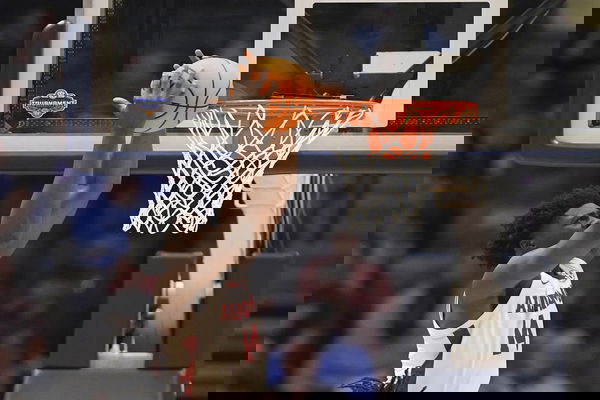
After months of shifting rules around eligibility, Bediako’s path back to college basketball has been anything but ordinary. The former Alabama center, who spent the last three years in the G League, is eligible to suit up thanks to a temporary restraining order issued by Judge James H. Roberts Jr.
ADVERTISEMENT
Bediako, a 7-foot center from Brampton, Ontario, initially played two seasons at Alabama from 2021 to 2023 before declaring for the 2023 NBA Draft with two seasons of eligibility remaining. But after he went undrafted, he signed multiple NBA two-way contracts and most recently played with the Motor City Cruise in the G League.
Imago
Via IMAGO
Even though he never appeared in an NBA game, his professional experience would normally block a return under current NCAA rules. But it didn’t! And if you are wondering why, here is what you need to know:
ADVERTISEMENT
It all began when the University of Alabama filed for Bediako’s reinstatement, but was denied by the NCAA. In response, Bediako sued the college sports governing body, arguing that he would suffer “irreparable harm” if prevented from playing due to lost competitive, financial, and educational opportunities. So the court granted him immediate eligibility for 10 days pending a hearing on January 27. But that’s not it, as the ruling also barred the NCAA from imposing any sanctions on either Bediako or Alabama if he takes the floor in the upcoming game.
Top Stories
Mysterious Health Issues Force 3 PGA Tour Pros to Exit $9.2M Tournament Midway

Prayers Pour in for PGA Tour Champions Star as Cancer Diagnosis Comes to Light

Josh Allen’s Stance on Brian Daboll’s Hiring Confirmed as Bills Mafia Signs Petition for Sean McDermott’s Return
PGA Tour Faces Backlash as Fans Complaint About American Express Coverage Nightmare
Patrick Mahomes Bids Emotional Goodbye as Chiefs Part Ways With Longtime Coach
Iconic Winston Ownership Returns to NASCAR as $50B Partner Inks Multi-Year Deal Ahead of 2026

In case he suits up, he would become the first player in two decades to return to college basketball after leaving for professional opportunities.
While the NCAA has argued that such exceptions could undermine opportunities for high school recruits and called for Congress to enforce stricter eligibility standards, Alabama supports his return, calling it “part of his ongoing efforts to compete while completing his degree.”
ADVERTISEMENT
Why the NABC Stepped In
As NABC and NCAA meet over eligibility rules, the National Association of Basketball Coaches’ involvement underscores just how serious this issue has become. Coaches are now concerned that cases like Nnaji and Bediako could open the door that would change the NCAA basketball as we know it today. Will this lead to former professional players entering the college game again, potentially at the expense of high school players for whom this is a crucial step? That will be absurd.
But thanks to a temporary restraining order, Bediako has been cleared to play.
ADVERTISEMENT
ADVERTISEMENT
ADVERTISEMENT
ADVERTISEMENT