
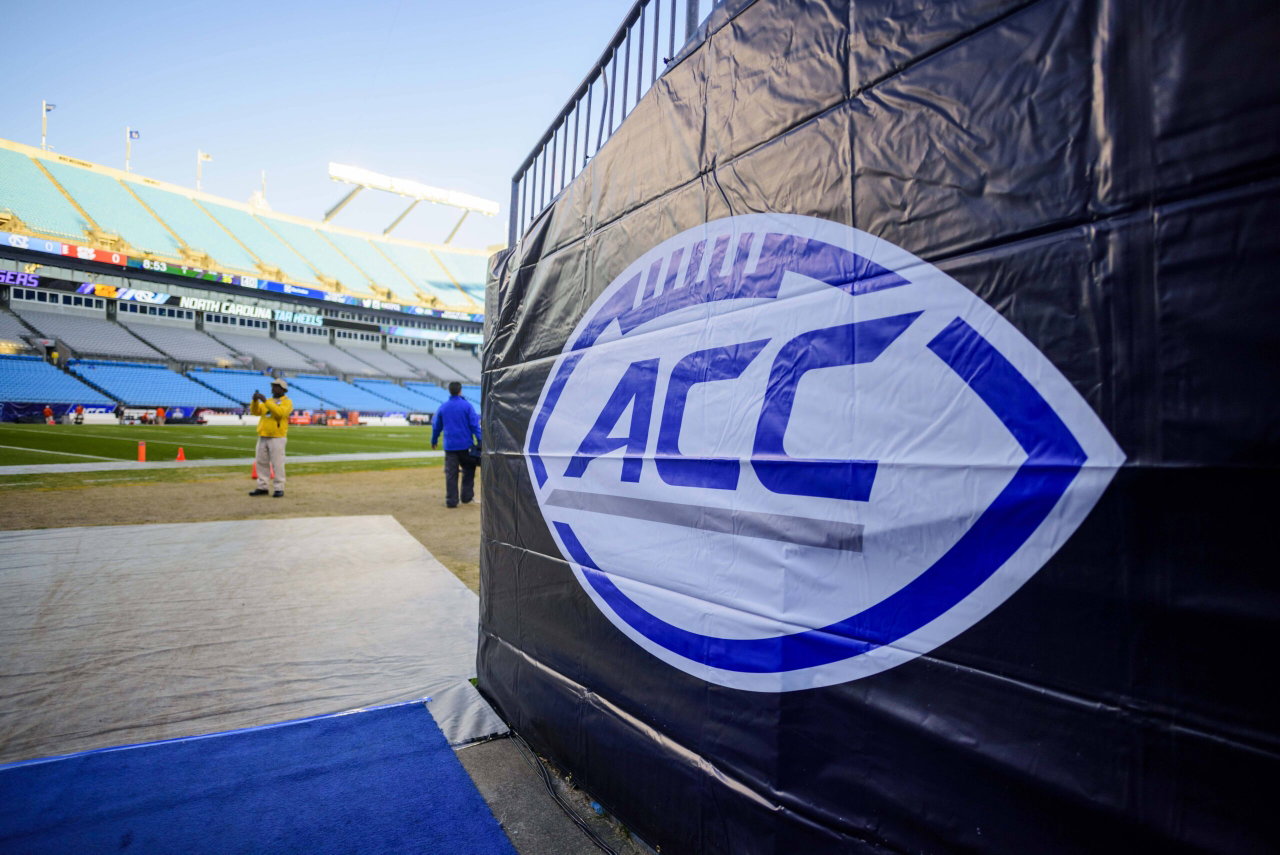
Conference championship weekend has long been one of the biggest dates on the college football calendar. For teams, it offers a final chance to claim a trophy, settle a season-long conference race, and strengthen their postseason position. For fans, it brings some of the most anticipated matchups of the year. But as the College Football Playoff continues to grow, the sport is preparing for a major change that could take away one of those familiar December traditions.
Watch What’s Trending Now!
The shift will affect more than just the teams competing for conference titles. The expanded playoff is changing how conferences determine their champions and how the postseason calendar is organized. One league has now confirmed that its annual football championship game will end after this season, making its upcoming December matchup the final edition under the current format.
“The ACC has officially announced it will no longer hold an ACC Championship Game following the 2026 season,” NC State reporter Cory Smith posted on X. He also pointed out that NC State had not appeared in the championship game during its 22 years in the conference.
The Atlantic Coast Conference has confirmed that it will discontinue its annual football championship game after the 2026 season. The decision comes as the College Football Playoff prepares to expand from 12 teams to 24 in 2027.
As a result, the December 5 matchup in Charlotte will be the 22nd and final ACC Football Championship Game. The conference has not yet announced exactly how it will determine its champion and select its automatic qualifier for the expanded playoff. Those details are still being worked out with the CFP, member institutions, and other stakeholders.
ACC Commissioner Jim Phillips addressed the decision in a statement on Monday, recognizing the championship game’s place in the conference’s history while acknowledging the opportunities that could come with the new postseason format.
“The ACC Football Championship Game has been an important and meaningful part of our Conference’s history, and we are deeply appreciative of the student-athletes, coaches, institutions, fans, corporate partners, and host communities that have contributed to its success,” Phillips said.
He also thanked Charlotte for its continued support, specifically recognizing the Carolina Panthers, Tepper Sports & Entertainment, the Charlotte Sports Foundation and the local community for helping host the event over the years.
Phillips added that the expanded playoff presents “an exciting new chapter for college football” and could give ACC programs more opportunities to compete on the sport’s biggest stage.
The final ACC Championship Game is scheduled for Saturday, December 5, at Bank of America Stadium in Charlotte, North Carolina. The contest will feature the two teams that finish at the top of the conference standings. The winner will claim the ACC title and an automatic place in the final 12-team College Football Playoff.
The championship game has been held every year since 2005. Charlotte has been its primary home since 2010, with the event also taking place in Jacksonville, Tampa, and Orlando during its history.
Duke enters the final season as the defending ACC champion after beating Virginia 27-20 in overtime in the 2025 title game. Virginia had finished with the best regular-season conference record, but Duke secured the championship. Neither team received a place in the 2025 College Football Playoff.
Miami was the ACC’s only representative in that postseason. The Hurricanes advanced to the national championship game before losing to Indiana.
The race for this year’s final ACC title matchup is still developing. At the time of the source report, Miami was leading the conference at 6-0, followed by Wake Forest at 5-1. Both were among the leading candidates to meet in Charlotte. Cal, meanwhile, was 2-4 in ACC play and had no path to finishing in the top two.
The ACC is not the only conference making this change. The SEC, Big Ten and Big 12 are also expected to discontinue their football championship games as part of the move to a 24-team playoff.
Under the new format, the four Power Four conference champions will receive automatic playoff spots. The highest-ranked champion from the Group of Six conferences will also earn an automatic place, while at-large selections made by the CFP selection committee will fill the remaining 19 spots.
The bracket will give the top eight seeds a first-round bye. Those teams will then host second-round games at their home stadiums, while teams seeded 17th through 24th will travel to face higher-seeded opponents in the opening round.
The expanded playoff is part of a new five-year media rights agreement with ESPN, reportedly worth an additional $1.7 billion. ESPN will continue as the exclusive broadcast partner of the CFP. Reports also indicate that the network will save around $140 million in annual broadcast rights costs from the cancellation of the ACC, SEC, and Big 12 title games for which it held television rights. College football’s conference championship games generated an estimated $200 million to $300 million in total annual revenue, with the vast majority coming from the Power Four conferences.
CFP executive director Rich Clark welcomed the continued partnership with ESPN as the playoff moves to its new format.
“The promotion, storytelling and innovation ESPN brings to the CFP, college football fans and the sport in general, is second to none,” Clark said. “We know that level of excellence will continue as we embark on this journey to a 24-team format.”
How the College Football Calendar Will Change
The weekend traditionally reserved for conference championship games will become an off-week for most teams under the new schedule. The Army-Navy game will remain an exception, as their annual matchup will be played on the first Saturday in December.
The expanded playoff is expected to begin during the second week of December, with the national championship scheduled for January 24, 2028, in New Orleans. The quarterfinals and semifinals will continue to use traditional bowl locations.
The move also marks another major step in the playoff’s growth. It began as a four-team competition in 2014 before expanding to 12 teams in 2024. The 24-team format will give a much larger group of programs an opportunity to compete for the national championship.
However, the end of conference title games will change a familiar part of the sport’s postseason. Teams will still compete for conference championships through regular-season results, but the ACC and its fellow Power Four leagues will no longer stage a separate final between their top teams.
For the ACC, the immediate focus is on its final championship season and the process of deciding how its champion and automatic playoff representative will be identified from 2027 onward. Charlotte will host one last title game in December before the conference enters a new era of college football.